


 Anteprima in scala reale
 Condividi
 Condividi
 Dettagli

 Scarica immagine
 Articoli simili
 Radiografia
 Slideshow
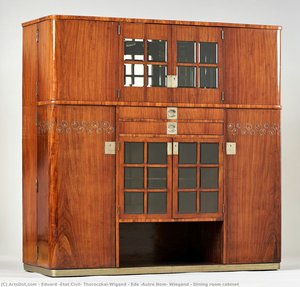
Hanging Cabinet
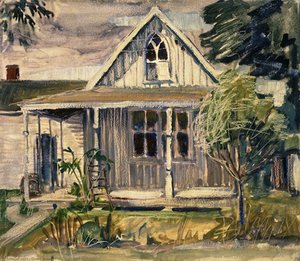
 Victorian Gothic Revival
 1880
1880 97.0 x 87.0 cm
 Leggi tutto
Giclée / Stampe d'arte
Stampa giclée o su tela di qualità museale, con produzione rapida e diverse opzioni di finitura. ( Ordina la riproduzione dipinta a mano Acquista download)




































Scegli tra le nostre dimensioni predefinite, che rispettano le proporzioni originali dell'opera d'arte.

È possibile inserire dimensioni personalizzate per adattare l'opera a una cornice o a uno spazio specifico. Se la dimensione selezionata non corrisponde alle proporzioni dell'immagine originale, procederemo al ritaglio dell'opera o all'estensione dell'immagine con un bordo specchiato o a tinta unita. Un mockup digitale ti verrà inviato per approvazione prima dell'inizio della produzione.
Si prega di notare che l'anteprima a schermo non riflette il ritaglio o l'estensione effettivi. Solo il mockup mostrerà accuratamente la composizione finale.
Sebbene siano disponibili dimensioni personalizzate, si raccomanda di selezionare una dimensione dall'elenco predefinito per preservare le proporzioni originali.
Consegna in tutto il mondo () in 2 settimane invece delle normali 4/5 settimane. (18 Agosto)

Spedizione espressa gratuita in tutto il mondo

Tela in lino di alta qualità

Assicurazione completa sulla spedizione

Garanzia di rimborso dei dazi doganali

Garanzia di fedeltà cromatica dell'originale

Politica di reso entro 60 giorni (solo per difetti di fabbricazione)

Garanzia di rimborso al 100%

Sconto per acquisti multipli
 L'opzione vetro è disponibile solo per dimensioni inferiori a 110 cm

Hanging Cabinet
Giclée / Stampe d'arte
Dimensioni della riproduzione
-


Prezzo totale
$ 64
Opere correlate




Biografia dell'artista
Benjamin Pitman: Pioneer of Shorthand and Advocate for American Decorative Arts
Benjamin Pitman (July 24, 1822 – December 28, 1910), also known as Benn Pitman, stands as a singular figure in the annals of both linguistic innovation and artistic patronage. Born in Trowbridge, Wiltshire, England, he transcended geographical boundaries to become a celebrated author and popularizer of Pitman shorthand—a revolutionary system that fundamentally altered communication practices in the United States—and cemented his legacy as a fervent champion of the Arts and Crafts movement.
Early Life & Education: Pitman’s formative years were marked by a privileged upbringing at home and under the tutelage of George Crabbe, a poet whose influence instilled in him an appreciation for literature and intellectual pursuits. Recognizing his aptitude for learning, Isaac Pitman, his brother, nurtured Benjamin's interest in phonography, initiating him into the meticulous process of perfecting this groundbreaking shorthand system.
The Birth of Phonography & Its Dissemination: From 1843 until 1852, Pitman tirelessly lectured on Pitman’s method throughout Great Britain, establishing himself as a pivotal figure in its compilation and promotion. This dedication culminated in his relocation to the United States in 1853, where he founded the Phonographic Institute, furthering the spread of this innovative system. He recognized that American decorative arts deserved substantial advancement and recognizing the potential for women to contribute meaningfully to this field.
Reporting & Civil War Service: Pitman’s journalistic prowess shone brightly during the tumultuous era of the American Civil War. Serving as the official stenographer for pivotal trials—most notably the “sons of liberty” trial and Lincoln's assassination inquest—he meticulously documented legal proceedings, solidifying his reputation as a reliable recorder of history.
Wood Engraving & Artistic Vision: Abandoning journalism in 1873, Pitman redirected his energies toward woodcarving instruction at the McMicken School of Design (later Art Academy of Cincinnati), driven by a profound conviction that American decorative arts deserved substantial advancement and recognizing the potential for women to contribute meaningfully to this field. He collaborated with Henry Fry and his son William to adorn Hughenden Manor with intricately carved floral motifs reflecting Cincinnati’s natural landscape.
A Legacy Etched in Wood & Stone: Pitman’s artistic endeavors yielded remarkable results, notably exemplified by the “Hughenden Manor” project—a collaborative effort with Henry Fry and his son William to adorn Hughenden Manor with intricately carved floral motifs reflecting Cincinnati’s natural landscape. His influence extended far beyond Cincinnati, shaping the aesthetic sensibilities of the Midwest and establishing him as a pivotal voice in the Arts and Crafts movement’s pursuit of beauty and craftsmanship.
Notable Works:
- The Reporter’s Companion (1854)
- The Manual of Phonography (1855)
- History of Shorthand (1858)
- Trials for Treason at Indianapolis
- The Assassination of President Lincoln, and the Trial of the Conspirators (1865)
Benjamin Pitman’s enduring contribution lies not merely in his invention but also in his unwavering belief that art should serve as a conduit for cultural understanding and appreciation. The Pitman Bedstead, a testament to this conviction—a masterpiece crafted by Elizabeth Nourse (his twin sister)—stands as an emblem of the Arts and Crafts movement's ethos: meticulous attention to detail, reverence for nature, and the pursuit of excellence in design.
Pitman’s influence continues to inspire artists and scholars alike—a testament to his transformative impact on both communication and artistic expression.

Benjamin Pitman
1822 - 1910 , Regno Unito
Informazioni rapide
- Artistic Movement Or Style: Arts & Crafts Movement
- Artists Or Movements Influenced By This Artist: ['Henry Fry']
- Artists Who Influenced This Artist:
- George Crabbe
- Isaac Pitman
- Date Of Birth: Lug 24, 1822
- Date Of Death: Dic 28, 1910
- Full Name: Benjamin Pitman
- Nationality: Inglese
- Notable Artworks:
- The Reporter's Companion
- Storia della stenografia
- Place Of Birth: Trowbridge, Regno Unito
Articoli correlati

Gothic Vibes: From Dark Shadows to Bold Modern Edge | The Ultimate Trend Forecast
Explore the evolution of Gothic vibes, from historical shadows to bold modern edge. Discover how dark aesthetics, noir interiors, and contemporary subcultures are redefining modern design through a high-impact, trend-focused lens.

Shadows & Splendor: A Journey Through the Soul of Gothic Art and Architectural Grandeur
Embark on a profound journey through the spiritual intensity of Gothic art. Explore the architectural marvels, luminous stained glass, and sacred sculptures that define this era of grandeur and human devotion.

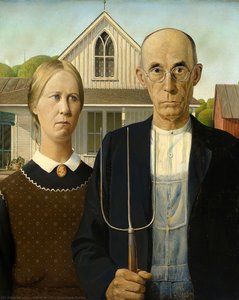
Grant Wood e il Regionalismo Americano: Identità, Mito e Paesaggio Rurale
Esplora il Regionalismo Americano con Grant Wood e i suoi capolavori. Analisi approfondita di 'American Gothic', contesto storico, influenze artistiche e l'eredità di questo movimento iconico. Scopri la vera essenza dell'arte rurale americana.

Gothic Art Unveiled: The Dark Beauty and Drama of a Timeless Era
Embark on a journey through the dramatic era of Gothic art. Discover the profound beauty of illuminated manuscripts, sacred gold leaf masterpieces, and the transition to naturalism in this expert-led exploration of medieval artistry and historical grandeur.

The Radiant Dusk of Medieval Vision: Exploring Late Gothic Art's Synthesis of Faith, Form & Emotionality (c. 1300-1500)
Explore the exquisite beauty & spiritual depth of Late Gothic art (c. 1300-1500). Discover key artists, symbolism, and its lasting influence on the Renaissance. Expert insights at AllPaintingsStore.



