


 Anteprima in scala reale
 Condividi
 Condividi
 Dettagli

 Scarica immagine
 Articoli simili
 Radiografia
 Slideshow
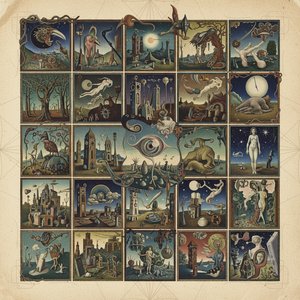
Max Jacob

 Leggi tutto
Giclée / Stampe d'arte
Stampa giclée o su tela di qualità museale, con produzione rapida e diverse opzioni di finitura. ( Ordina la riproduzione dipinta a mano Acquista download)




































Scegli tra le nostre dimensioni predefinite, che rispettano le proporzioni originali dell'opera d'arte.

È possibile inserire dimensioni personalizzate per adattare l'opera a una cornice o a uno spazio specifico. Se la dimensione selezionata non corrisponde alle proporzioni dell'immagine originale, procederemo al ritaglio dell'opera o all'estensione dell'immagine con un bordo specchiato o a tinta unita. Un mockup digitale ti verrà inviato per approvazione prima dell'inizio della produzione.
Si prega di notare che l'anteprima a schermo non riflette il ritaglio o l'estensione effettivi. Solo il mockup mostrerà accuratamente la composizione finale.
Sebbene siano disponibili dimensioni personalizzate, si raccomanda di selezionare una dimensione dall'elenco predefinito per preservare le proporzioni originali.
Consegna in tutto il mondo () in 2 settimane invece delle normali 4/5 settimane. (19 Agosto)

Spedizione espressa gratuita in tutto il mondo

Tela in lino di alta qualità

Assicurazione completa sulla spedizione

Garanzia di rimborso dei dazi doganali

Garanzia di fedeltà cromatica dell'originale

Politica di reso entro 60 giorni (solo per difetti di fabbricazione)

Garanzia di rimborso al 100%

Sconto per acquisti multipli
 L'opzione vetro è disponibile solo per dimensioni inferiori a 110 cm

Max Jacob
Giclée / Stampe d'arte
Dimensioni della riproduzione
-


Prezzo totale
$ 64
Opere correlate


Biografia dell'artista
Una Visione Surrealista dell'Inghilterra: La Vita Enigmatica di Christopher Wood
Christopher Wood rimane una delle figure più enigmatiche e suggestive del Modernismo britannico, un pittore la cui breve ma brillante carriera ha lasciato un segno indelebile nell'avanguardia del XX secolo. Nato nel 1901 a Knowsley, nel Lancashire, Wood possedeva una sensibilità artistica singolare che sfidava le rigide categorizzazioni della sua epoca. La sua opera è caratterizzata da una profonda qualità onirica, in cui i paesaggi familiari dell'Inghilterra e della Francia si trasformano in regni simbolici di inquietante bellezza e profonda malinconia. Osservare un dipinto di Wood significa entrare in un paesaggio psicologico, dove i confini tra realtà e subconscio sono perpetuamente sfumati.
Le fondamenta della sua estetica unica furono gettate nella giovinezza, profondamente influenzate da una fascinazione infantile per la botanica e il folklore. Nutrito dall'esempio del padre, un botanico, Wood sviluppò un occhio acuto per gli intricati dettagli del mondo naturale. Questa precisione scientifica, tuttavia, non fu mai puramente osservativa; fu sempre filtrata attraverso una lente di distorsione poetica. Il suo precoce apprezzamento per le strutture organiche delle piante e i misteri delle leggende locali si sarebbe manifestato in seguito in paesaggi che appaente meticolosamente resi e stranamente ultraterreni, come se la terra stessa respirasse con una vita nascosta e senziente.
Echi Parigini e lo Spirito Surrealista
La traiettoria della carriera di Wood subì un cambiamento drammatico quando si trasferì a Parigi nel 1928, un periodo che sarebbe diventato il crogiolo del suo stile maturo. Immerso nella vibrante e sperimentale atmosfera della capitale francese, si ritrovò al cuore del nascente movimento surrealista. Interagendo con luminari come André Breton e Giorgio Morandi, Wood iniziò a sperimentare con il concetto di automatismo — la pratica di lasciare che il caso e il gesto spontaneo guidassero il pennello, aggirando i vincoli del pensiero conscio. Questo periodo vide la sua opera evolversi dalla rappresentazione tradizionale verso un linguaggio più complesso e simbolico.
Il suo soggiorno a Parigi gli permise di sintetizzare influenze disparate in una visione coesa, seppur frammentata. Padroneggiò la capacità di fondere le morbide texture atmosferiche dell'Impressionismo con le accostamenti stridenti e inaspettati centrali nel Surrealismo. Questa tensione è forse catturata con maggior celebrità nel suo monumentale olio su tela, ‘Tiger and Arc de Triomphe’. In quest'opera ambiziosa, la ferocissima ed primordiale energia di una tigre è contrapposta alla grandezza strutturata dell'architettura parigina, creando un potente dialogo tra la selvaggia natura e l'artificio della civiltà. Essa rimane una testimonianza della sua capacità di catturare sia il dinamismo del movimento che un profondo senso di quiete.
L'Eredità e la Geometria della Solitudine
Mentre la sua carriera procedeva verso la tragica conclusione nel 1930, l'opera di Wood iniziò a mostrare un affascinante spostamento verso l'astrazione geometrica. I suoi schizzi più tardi, come il ‘Westmorland Landscape’ del 1929, rivelano una tendenza verso forme semplificate e un uso più calcolato della prospettiva. In queste opere, la ricchezza del suo stile precedente cede il passo a un senso di serena distacco e chiarezza strutturale. Eppure, anche all'interno di questa nuova astrazione, una tensione sottostante rimane palpabile — un marchio distintivo della sua visione artistica che suggerisce un mondo mantenuto in un equilibrio delicato e precario.
L'importanza storica di Christopher Wood risiede nella sua capacità di colmare il divario tra la tradizione pastorale inglese e la radicale sperimentazione dell'Europa continentale. Egli non si limitò ad adottare il Surrealismo; lo tradusse in un idioma unicamente britannico, infondendovi un senso di nostalgia e meraviglia botanica. Sebbene la sua vita sia stata interrotta prematuramente, la sua eredità persiste attraverso opere che continuano a perseguitare e ispirare, fungendo da toccante promemoria del potere dell'immaginazione individuale di rimodellare il mondo attraverso la lente dei sogni.

Christopher Wood
1901 - 1930 , United Kingdom
Informazioni rapide
- Artistic Movement Or Style: Surrealism & Impressionism
- Artists Who Influenced This Artist: ['Eric Gill']
- Date Of Birth: Knowsley, United Kingdom (1901)
- Date Of Death: Salisbury (1930)
- Full Name: John Christopher Wood
- Nationality: British
- Notable Artworks:
- Tiger and Arc de Triomphe
- Westmorland Landscape
- Place Of Birth: United Kingdom
Articoli correlati
Max Ernst: I 25 Capolavori che Rivoluzionarono l'Arte Moderna | AllPaintingsStore
Esplora i 25 capolavori di Max Ernst, pioniere del Surrealismo. Scopri la storia, le tecniche e il simbolismo dietro ogni opera iconica. Trova riproduzioni arte su tela di alta qualità per decorare casa con AllPaintingsStore.com.

The Timeless Charm of Oil on Board: Reimagining Texture and Light through the Impressionist Lens
Discover the profound intimacy of oil on panel. Explore how Impressionist masters used rigid supports to capture light, texture, and impasto depth through exquisite, handmade oil reproductions for discerning collectors.

Enchanting Strokes: Unveiling the Luminous Magic and Timeless Soul of Impressionist Masterpieces
Immerse yourself in the luminous beauty of Impressionism. AllPaintingsStore.com offers exquisite, hand-painted oil reproductions of masters like Monet and Van Gogh. From museum-quality landscapes to bespoke portraits from photos, we bring timeless artistry and soul to your collection.

The Soul of Impressionism: Why Oil on Canvas Captures Eternal Light and Timeless Emotion
Discover the enchanting alchemy of Impressionism. Explore how the mastery of oil on canvas, through glazing and impasto, captures eternal light and emotion. Perfect for lovers of Monet and Van Gogh seeking the profound depth of hand-painted fine art.

Oil on Board: A Historical Survey of Technique, Aesthetic Qualities & Enduring Appeal
Explore the rich history of oil on board painting! Discover techniques, aesthetic qualities & enduring appeal from early masters to modern practice. Expert insights for collectors and art enthusiasts.



