

1893. Olio su tela. Museo di Belle Arti.

§ 1Dati del catalogo


§ 2Astratto
Descrizione del reperto
Scopri \"Rouen Cathedral, Sunlight Effect\", un capolavoro impressionista di Claude Monet che cattura l'atmosfera luminosa della cattedrale normanna del XIX secolo.
 Espandi i dettagli
Biografia dell'artista
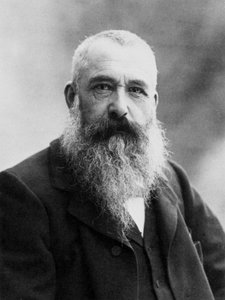
Esplora Claude Monet (1840-1926), il fondatore dell'Impressionismo! Scopri ninfee iconiche, balle di fieno e paesaggi che catturano la luce ed essenza della natura. Una figura chiave nell'arte moderna.
§ 3Commento
Rouen Cathedral, Sunlight Effect
Claude Monet’s "Rouen Cathedral, Sunlight Effect" is a captivating oil on canvas painting that exemplifies the artist's innovative approach to capturing light and its effects. Created in 1893, this piece is part of Monet’s renowned series depicting Rouen Cathedral at different times of day and year. The artwork focuses on the west facade of the cathedral, showcasing its imposing presence against a backdrop of atmospheric light. The composition emphasizes verticality, with the towering spires and arches drawing the viewer’s eye upwards. The interplay of light and shadow across the stone surface creates a dynamic visual texture, highlighting the architectural details while simultaneously softening the overall form.
- Subject Matter: The painting portrays Rouen Cathedral’s western façade during midday sunlight, capturing its grandeur and architectural complexity.
- Style: Impressionism—characterized by loose brushstrokes and a focus on conveying fleeting impressions of light and color rather than precise representation.
- Technique: Monet employed broken brushstrokes of pure pigment mixed with linseed oil to achieve luminosity and vibrancy, mirroring the way sunlight illuminates the cathedral stone.
Monet’s technique in "Rouen Cathedral, Sunlight Effect" is quintessential Impressionism. He employed short, broken brushstrokes of pure color to depict the effects of light on the cathedral’s surface. Rather than meticulously rendering every detail, Monet prioritized capturing the *impression* of light and atmosphere. The use of complementary colors – blues and oranges in this particular painting – intensifies the vibrancy and luminosity of the scene. The visible brushwork contributes to a sense of movement and immediacy, as if the viewer is witnessing the fleeting moment captured on canvas. This approach was revolutionary for its time, moving away from traditional academic realism towards a more subjective and sensory representation of reality.
Historical Context: The Rouen Cathedral Series
This painting belongs to Monet’s extensive "Rouen Cathedral" series, which he began in 1892. Monet rented a studio across from the cathedral specifically to study its changing appearance under different lighting conditions. He worked on multiple canvases simultaneously, allowing him to capture variations in light and atmosphere throughout the day. The series reflects Monet’s fascination with seriality – depicting the same subject repeatedly to explore its inherent qualities. This approach was groundbreaking, challenging conventional notions of artistic representation and paving the way for modern art movements like Cubism.
Symbolism and Emotional Impact: A Dialogue Between Light and Stone
Beyond its aesthetic appeal, "Rouen Cathedral, Sunlight Effect" evokes a sense of awe and reverence. The cathedral itself is a symbol of faith, history, and human ingenuity. Monet’s depiction transforms this solid structure into something ethereal and transient, emphasizing the power of light to alter our perception of reality. The painting's emotional impact lies in its ability to convey both the grandeur of the architectural subject and the fleeting beauty of a specific moment in time. The interplay between the enduring stone and the ephemeral sunlight creates a dialogue that resonates with viewers on a profound level, inviting contemplation about the passage of time and the nature of perception.
Further Research
Monet’s meticulous observation of Rouen Cathedral was driven by his desire to understand how light influenced color and form. The resulting paintings are not merely representations of a building but expressions of Monet's emotional response to its presence—a testament to the Impressionist belief that art should capture the essence of experience.
Domande e risposte
A quale periodo storico appartiene "Rouen Cathedral, Sunlight Effect" di Claude Monet?
"Rouen Cathedral, Sunlight Effect" di Claude Monet risale al periodo XIX secolo, epoca che ne definisce il contesto storico.
Quale armonia cromatica esprime "Rouen Cathedral, Sunlight Effect" di Claude Monet?
L'armonia cromatica di "Rouen Cathedral, Sunlight Effect" è descritta come Armonia equilibrata.
Dove si consiglia di esporre il formato Orientamento verticale di "Rouen Cathedral, Sunlight Effect"?
Con il suo formato Orientamento verticale, una riproduzione di "Rouen Cathedral, Sunlight Effect" è ideale per un Zona living.


 Passa alle stampe


 Per opere d'arte o riproduzioni con un lato superiore a 105 cm (circa 41 pollici), la cornice verrà spedita in forma di kit smontato. Questo metodo garantisce una consegna sicura e previene danni durante il trasporto.


