


 Anteprima in scala reale
 Invia
Invia Condividi
 Dettagli opera
 Guida
Guida

 Scarica
 Simili
 Radiografia
 Slideshow
 Statistiche
The Night Train
 Acrylic On Canvas
- WallArt
- Romanticism
 1849
1849 280.0 x 380.0 cm
 Galleria d’Arte della Città
 Espandi i dettagli
Giclée / Stampe d'arte
Stampa giclée o su tela di qualità museale, con produzione rapida e diverse opzioni di finitura. ( Acquista il dipinto realizzato a mano Passa all'immagine digitale)




P118B €10

P118H €10

P118W €10

P438Z €10

P508JH €12

P508YH €12

P805H €10

P805Z €10

P919BZ €10

P919G €10

P919XJ €10

P959ZH €10

P968JZ €12

W106C €8

W218G €10

W218JH €8

W218Y €10

W307PJ €10

W316G €10

W316PJ €8

W316Y €10

W398PJ €8

W4111J €10

W500HY €15

W500JH €15

W692G €12

W849H €8

W940BG €15

W953PJ €8




Scegli tra le nostre dimensioni predefinite, che rispettano le proporzioni originali dell'opera d'arte.

Inserisci la larghezza e l'altezza desiderate, per adattarle alla tua cornice o alla tua parete. Una stampa può essere solo ritagliata, mai resa più grande dell'immagine originale; pertanto, un formato con una forma differente comporterà la perdita di una parte dell'opera. Ti invieremo un mockup digitale da approvare prima di procedere con la stampa. L'immagine mostrata in questa pagina non rappresenta il ritaglio reale — solo il mockup lo mostra.
Consegna in tutto il mondo () in 2 settimane invece delle normali 4/5 settimane. (25 Ottobre)

Spedizione espressa gratuita in tutto il mondo

Tela in lino di alta qualità

Assicurazione completa sulla spedizione

Garanzia di rimborso dei dazi doganali

Garanzia di fedeltà cromatica assoluta

Politica di reso entro 100 giorni (solo per difetti di fabbricazione)

Garanzia di rimborso al 100%

Offerta per acquisti multipli
 L'opzione vetro è disponibile solo per dimensioni inferiori a 110 cm

The Night Train
Giclée / Stampe d'arte
Dimensioni riproduzione
-


Prezzo finale calcolato
€ 56
The Night Train: A Watercolor’s Evocative Journey
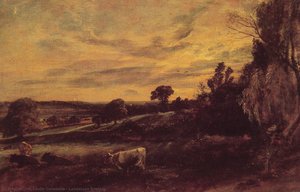
David Cox's "The Night Train," painted in 1849, isn’t merely a depiction of a locomotive traversing the countryside; it’s a profound meditation on movement, atmosphere, and the sublime power of nature. Created during a pivotal period of artistic evolution – bridging the Romantic era with nascent influences of Impressionism – this watercolor captures a fleeting moment imbued with both drama and tranquility. Cox, a key figure in the Birmingham School of painting, masterfully employed loose brushstrokes and a muted color palette to evoke not just what he saw, but how he *felt* observing the scene.
The composition immediately draws the eye into a dynamic landscape dominated by a swirling, almost turbulent sky. Dark, brooding clouds – rendered with remarkable sensitivity to light and shadow – press down upon the viewer, hinting at an impending storm while simultaneously illuminating the distant horizon. Below this dramatic expanse unfolds a rolling countryside, painted in washes of deep greens, browns, and blues. The artist’s technique is deliberately loose; individual brushstrokes are visible, contributing to the sense of movement and immediacy. This approach was revolutionary for its time, moving away from the rigid detail favored by earlier landscape painters.
A Glimpse into a Romantic Vision
“The Night Train” firmly resides within the Romantic tradition, a movement that prioritized emotion, imagination, and the awe-inspiring power of nature. Unlike the Neoclassical emphasis on reason and order, Romantic artists sought to capture subjective experiences – feelings of wonder, terror, and spiritual connection – in their work. Cox’s painting embodies this spirit perfectly. The train itself, a symbol of progress and industrialization, is presented not as a triumph but as an element within a larger, more ancient landscape. It's a reminder of humanity’s place within the vastness of nature.
The inclusion of figures on the train – two individuals observing the scene – adds another layer of interpretation. Are they travelers seeking adventure? Or perhaps simply observers contemplating the beauty and power of the natural world? Their presence invites the viewer to project their own experiences and emotions onto the scene, transforming it into a shared moment of contemplation.
Symbolism and Emotional Resonance
Beyond its immediate visual appeal, “The Night Train” is rich in symbolism. The train, as mentioned, represents progress but also carries an element of displacement – a journey away from familiar surroundings. The turbulent sky suggests both the potential for destruction and renewal, while the horses galloping across the foreground embody untamed energy and instinct. Cox’s masterful use of light and shadow creates a powerful emotional atmosphere, evoking feelings of mystery, anticipation, and perhaps even a touch of melancholy.
The painting's overall effect is one of profound beauty and quiet drama. It’s not simply a landscape; it’s an experience – a journey into the heart of nature’s power and the human spirit’s capacity for wonder. “The Night Train” remains a testament to David Cox’s artistic vision and his ability to capture the essence of a fleeting moment with remarkable skill and sensitivity.
Reproductions & Artistic Legacy
High-quality reproductions of “The Night Train” are available, offering art enthusiasts a chance to bring this evocative masterpiece into their homes. Considerations for framing should complement the painting’s atmospheric qualities – a simple, natural wood frame would best enhance its romantic feel. The watercolor's delicate washes and subtle details benefit from archival-quality paper and printing techniques to preserve its original beauty.
Cox’s influence extends beyond this single work; he is considered a precursor to Impressionism, paving the way for artists who sought to capture fleeting moments of light and color. Studying “The Night Train” provides valuable insight into the development of landscape painting and the enduring power of Romantic art.
Domande e risposte
Quali sono le dimensioni dell'originale "The Night Train"?
L'originale "The Night Train" di David Cox misura 280 x 380 cm.
Dove posso trovare una guida dedicata a "The Night Train"?
È disponibile una pagina Schede didattiche per "The Night Train" di David Cox: una scheda informativa stampabile sull'opera d'arte, pensata per studenti e per l'uso didattico in classe.
"The Night Train" è un'opera celebre del Romanticism?
"The Night Train" è classificata come Recognized tra le opere del Romanticism nel catalogo.
Opere simili



Biografia dell'artista
David Cox (1783–1859): Uno Splendido Riflesso della Natura Britanica
David Cox è una figura chiave dell'arte inglese del XIX secolo, un pittore paesaggista che ha lasciato un segno indelebile nella storia dell'Acquerello Inglese e anticipato alcune delle innovazioni stilistiche che caratterizzeranno l'Impressionismo. Nato nel 1783 a Birmingham, figlio di fabbro e produttore di componenti per l'industria delle armi, Cox ebbe una formazione precoce influenzata dall'ambiente industriale della sua città natale e dalla passione per il disegno sviluppatasi fin dalla gioventù. Questo interesse lo guidò verso lo studio presso Joseph Barber Academy, dove entrò in contatto con altri giovani artisti promettenti come Charles Barber e William Radclyffe, ponendo le basi per una carriera artistica di successo.Gli Anni della Formazione e l'Influenza Olandese
La sua formazione iniziale fu completata dall'apprendistato presso Albert Fielder, un maestro di miniature ritrattistiche che gli trasmise competenze fondamentali nella tecnica del disegno e nell'attenzione ai dettagli. Tuttavia, Cox non si limitò a seguire le tradizioni artistiche del suo tempo; egli trovò ispirazione nei grandi pittori paesaggisti olandesi del XVII secolo, artisti come Rembrandt Harmensz van Rijn e Jacob Maris, che avevano rivoluzionato la rappresentazione della luce e dell'atmosfera attraverso l'uso innovativo delle pennellate libere e dei colori vibranti. Questa influenza si rivelò determinante nello sviluppo del suo stile artistico unico, caratterizzato da una straordinaria capacità di catturare gli effetti della natura con una sensibilità emotiva intensa.Lo Stile Artistico e le Prime Opere
Cox iniziò la sua attività artistica come insegnante di disegno presso Birmingham Academy of Art, dove sviluppò un metodo pedagogico originale volto a stimolare la creatività degli studenti e promuovere lo sviluppo delle loro capacità artistiche. Contemporaneamente, egli coltivò il suo talento pittorico attraverso una prolifica produzione di opere in acquerello e olio, concentrandosi principalmente sulla rappresentazione di paesaggi rurali e soggetti architettonici. Tra le sue opere più importanti spiccano "Il Vento sulla Brughiera" (1817), un esempio perfetto della maestria tecnica e dell'atmosfera evocativa che contraddistinsero il suo stile artistico, e "Cottage in Herefordshire" (1823), una visione lirica della campagna inglese illuminata dalla luce calda del pomeriggio.Il Successo Internazionale e l’Innovazione Impressionista
Nel corso della sua carriera Cox ottenne un riconoscimento internazionale grazie alla pubblicazione di numerose opere d'arte che furono esposte con successo presso importanti istituzioni artistiche europee, tra cui la Royal Academy di Londra e il Museo Nazionale Accademico di Parigi. Tuttavia, è stato soprattutto il suo contributo all'affermazione della pittura paesaggistica britannica come genere autonomo a garantire la sua fama nella storia dell'arte. Cox anticipò molte delle innovazioni stilistiche che caratterizzeranno l'Impressionismo francese, sviluppando una tecnica pittorica basata sull'uso di pennellate libere e colori puri per esprimere emozioni e sensazioni immediatezza. Questo approccio rivoluzionario ebbe un impatto significativo sulla produzione artistica del suo tempo e influenzò generazioni successive di artisti paesaggisti inglesi.Opere Significative e Eredità Artistica
David Cox lasciò un patrimonio artistico ricco e variegato, composto da oltre 300 opere a olio che oggi sono considerate tra i più grandi risultati della pittura inglese del XIX secolo. Tra le sue opere più celebri spiccano "Giunzione del Severn e del Wye con Chepstow sullo sfondo" (1846), un esempio magistrale della capacità di Cox di rappresentare gli effetti drammatici della luce naturale, e "Paesaggio Lunare" (1854), una visione poetica della notte illuminata dalla luna piena. La sua opera continua ad essere ammirata per la bellezza delle immagini, la profondità emotiva dei soggetti trattati e l'importanza storica del suo contributo alla nascita dell'Impressionismo. Cox è considerato uno dei più grandi pittori paesaggisti inglesi e una figura fondamentale della storia dell’arte britannica.
David Cox
1783 - 1859 , Regno Unito
Dettagli rapidi
- Artistic Movement Or Style: Scuola di Birmingham
- Artists Or Movements Influenced By This Artist: ['Impressionismo']
- Artists Who Influenced This Artist:
- Ollandese XVII secolo
- Constable
- Date Of Birth: 29 aprile 1783
- Full Name: David Cox
- Nationality: Britannico
- Notable Artworks:
- Il Vento sulla Brughiera
- Cottage in Herefordshire
- Giunzione del Severn e del Wye con Chepstow sullo sfondo
- Place Of Birth: Birmingham, Regno Unito
Articoli correlati

Ephemeral Visions: Exploring the Artistic Legacy & Nuances of Watercolor Painting
Explore the captivating world of watercolor painting! Discover its rich history, essential techniques, influential artists & collecting tips from art experts. A comprehensive guide for enthusiasts.

I 10 Capolavori dell'Acquerello che Hanno Rivoluzionato l'Arte | AllPaintingsStore
Esplora i 10 capolavori dell'acquerello che hanno cambiato la storia dell'arte! Da Turner a Monet, scopri le storie e le tecniche di questi artisti iconici. Trova riproduzioni di alta qualità e idee per decorare casa con AllPaintingsStore.com.

Ephemeral Visions: Exploring the Artistic Legacy & Contemporary Practice of Watercolor Painting
Explore the captivating world of watercolor painting! Discover its rich history, essential techniques, influential artists & collecting tips. A comprehensive guide for art enthusiasts from AllPaintingsStore.

Ephemeral Visions: Exploring the History & Emotional Resonance of Watercolor Painting
Explore the captivating history of watercolor painting, from ancient techniques to modern masters like Kandinsky & Blake. Discover essential artists, collecting tips & the emotional power of this luminous medium. Expert insights for art enthusiasts.

David Cox the Elder: Landscape, Light & the Romantic Vision of Rural England
Explore the captivating landscapes of David Cox the Elder, a pivotal figure in British Romanticism. Discover his masterful watercolour techniques, enduring legacy & find timeless art for your home at AllPaintingsStore.


