Garanzia soddisfatti o rimborsati · 100 giorni Spedizione gratuita in tutto il mondo
449.587opere d'arte 30.613artisti 4.660musei 32Lingue
Valuta
    Lingua
      Atelier · Dal 2015 · Parigi, Francia
      AllPaintingsStore
      allpaintingsstore.com
      Catalogue entry

      St John the Baptist

      1438. Oil On Canvas. Basilica di Santa Maria Gloriosa dei Frari.

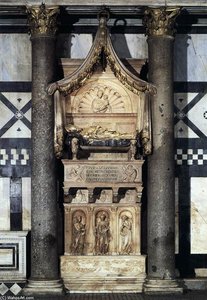
      Fig. 1. Donatello, St John the Baptist, 1438. Shown as the reproduction you are specifying: , .

      § 1Catalogue data

      § 2Abstract

      Descrizione del reperto

      Discover Donatello's iconic 'St. John the Baptist,' a masterpiece of Early Renaissance sculpture. Explore its history, artistic significance & Donatello’s innovative techniques.

      Biografia dell'artista

      Donatello (1386-1466): Scultore fiorentino del primo Rinascimento. Pioniere della scultura nuda a figura intera come 'David', noto per il realismo espressivo, l'influenza classica e le tecniche innovative. Esplora i suoi capolavori!

      § 3Commentary

      The Silent Majesty of St. John the Baptist

      Donatello’s “St. John the Baptist,” sculpted around 1438 in Carrara marble and now residing within the serene Chapel of St. John the Baptist at Santa Maria Gloriosa dei Frari in Venice, is more than just a portrait; it's an embodiment of Florentine Renaissance ideals – a masterful synthesis of classical restraint and deeply human emotion. This isn’t the triumphant, idealized figure often depicted in later High Renaissance art; instead, Donatello presents us with a young man wrestling with profound spiritual awareness, a figure both vulnerable and powerfully resolute.

      The sculpture immediately draws the eye with its stark simplicity. The pose is deliberately unassuming: John stands on a simple, unadorned pedestal, his body slightly turned away from the viewer, creating an intimate sense of connection. His garments are rough, almost shaggy, crafted from animal hide – a deliberate choice that speaks to his ascetic lifestyle and rejection of worldly comforts. This isn’t a king or a warrior; it's a prophet stripped bare, preparing for his calling. The muted palette of the marble further enhances this sense of austerity, emphasizing the figure’s inner intensity rather than external grandeur.

      Donatello’s genius lies in his ability to imbue this seemingly straightforward form with an extraordinary depth of feeling. His face is a study in concentration and quiet contemplation. The furrowed brow, the intense gaze fixed on some distant point, and the slightly parted lips suggest a man wrestling with weighty truths – the impending judgment, the need for repentance, and the promise of salvation. The hand raised to his chest isn’t a gesture of piety; it's an expression of profound inner turmoil, as if he is grappling with the burden of his prophetic role.

      A Renaissance Synthesis: Classical Influence & Florentine Innovation

      To fully appreciate “St. John the Baptist,” one must understand the artistic currents swirling around Florence in the early 15th century. Donatello was deeply influenced by the rediscovery and reinterpretation of classical sculpture, particularly the works of Greek and Roman masters. However, he didn’t simply copy these ancient forms; instead, he adapted them to his own unique vision, imbuing them with a distinctly Florentine sensibility.

      Notice the subtle contrapposto – the shift in weight that creates a dynamic sense of movement within the static form. This technique, borrowed from classical sculpture, gives John’s body a naturalism and vitality rarely seen in earlier Gothic art. Furthermore, Donatello's use of marble is remarkably expressive; he skillfully manipulates the texture and surface to create subtle gradations of light and shadow, highlighting the contours of the face and torso and adding depth and volume to the figure.

      Crucially, Donatello was pushing beyond the conventions of his predecessors. While earlier Florentine sculptors often depicted religious figures in elaborate, richly ornamented robes, Donatello favored a more restrained approach, focusing on capturing the essence of the subject’s character rather than merely illustrating their status or piety. This emphasis on psychological realism – conveying inner thoughts and emotions through outward form – was a hallmark of the Early Renaissance.

      Symbolism & Spiritual Significance

      The sculpture is rich in symbolic meaning, reflecting John's role as a precursor to Christ. The rough animal hide garments represent his rejection of worldly possessions and his dedication to a life of simplicity and asceticism. His bare feet symbolize humility and connection with the earth.

      The raised hand, as mentioned earlier, is particularly significant. It’s not an act of blessing or benediction; it's a gesture of warning – a call to repentance and preparation for the coming of the Messiah. The book held in his hand isn’t a scriptural text but a scroll containing John’s prophecies, further emphasizing his role as a messenger of God.

      The overall effect is one of profound spiritual intensity. “St. John the Baptist” is not merely a depiction of a biblical figure; it's an invitation to contemplate our own relationship with faith, morality, and the mysteries of existence. It’s a testament to Donatello’s ability to capture the complexities of the human spirit within the confines of sculpted stone.

      A Legacy Enduring: Reproduction & Artistic Inspiration

      Reproductions of “St. John the Baptist” offer art enthusiasts and interior designers alike an opportunity to bring this iconic masterpiece into their homes or spaces. When selecting a reproduction, consider the level of detail and accuracy – a high-quality print on canvas or a meticulously crafted three-dimensional sculpture will best capture the essence of Donatello’s original work.

      Beyond its aesthetic appeal, “St. John the Baptist” serves as a powerful reminder of the enduring legacy of the Early Renaissance. Donatello's innovative techniques and profound psychological insights continue to inspire artists and designers today, demonstrating the timeless relevance of his vision. This sculpture is not just a work of art; it’s a window into the soul of Florence – a city that forever changed the course of Western civilization.

      Domande e risposte

      Chi è l'autore e in che anno è stata realizzata "St John the Baptist"?

      Donatello ha realizzato "St John the Baptist" nel 1438.

      Quale colore domina la composizione di "St John the Baptist" di Donatello?

      Il colore che risalta maggiormente in "St John the Baptist" è Putty (#d1cec9). Il colore dominante è utile per abbinare un'opera d'arte a un ambiente interno.

      Chi ha creato "St John the Baptist" e in quale stile è realizzato?

      Donatello ha creato "St John the Baptist" all'interno del movimento Early Renaissance.

      § 4The artist

      Donatello

      Donatello

      1386 - 1466, Italia

      Quick facts about Donatello

      • Artisti Influenti:
        • Lorenzo Ghiberti
        • Michelangelo Buonarroti
        • Nanni di Banco
      • Artisti Influenzati: ['Leonardo da Vinci']
      • Data Di Nascita: c. 1386
      • Luogo Di Nascita: Firenze, Italia
      • Movimento Artistico: Primo Rinascimento
      • Nazionalità: Italiana
      • Nome Completo: Donatello (Donato di Niccolò)
      • Opere Notevoli:
        • David (bronzo)
        • St. Louis of Toulouse
        • Sacrifice of Isaac
        • Crucifix (1425)

      Biografia dell'artista

      Primi anni e carriera

      Donato di Niccolò di Betto Bardi, conosciuto come Donatello, nacque a Firenze, in Italia, intorno al 1386. Studiò scultura classica, che influenzò pesantemente il suo sviluppo di uno stile rinascimentale precoce. Questo nuovo approccio all'arte e alla cultura sarebbe diventato eventualmente il marchio distintivo del Rinascimento fiorentino.

      Opere chiave e innovazioni

      L’opera più famosa di Donatello, David, fu la prima scultura maschile nuda libera dal periodo antico. Commissionata dalla famiglia Medici, essa mostrava il suo stile innovativo e la sua competenza tecnica. Altre opere notevoli includono:
      • St. Louis of Toulouse (ora nel museo della basilica di Santa Croce), che presentava una cornice classica progettata da Donatello.
      • Il sacrificio di Isacco, creato per il campanile di Santa Maria del Fiore a Firenze, caratterizzato da forti dettagli ritrattistici.
      • Crocefix (1425) per Santa Croce, che ritraeva Cristo in un momento di agonia.

      Stile artistico e eredità

      Lo stile di Donatello può essere diviso in ampie fasi, a partire dallo sviluppo dell'espressività e della monumentalità classica. Il suo lavoro non fu immediatamente accettato dalla comunità ma alla fine divenne il più popolare, influenzando altre corti italiane e artisti europei. Movimenti artistici chiave:
      • Rinascimento italiano
      • Rinascimento rinascimentale precoce
      • Arte del Rinascimento fiorentino

      Vita personale e stile di lavoro

      Donatello era noto per essere amabile e benvoluto, ma scarso nella gestione degli affari della sua carriera. Tendeva ad accettare più commissioni di quante potesse gestire, spesso completando le opere in ritardo o affidandole ad altri scultori. Artisti e opere notevoli:
      • Leonardo da Vinci: Annunciazione (dettaglio)
      • Amico Aspertini: Statua di Pan/Leone che azzanna un cavallo
      • Michelangelo Buonarroti: Tondo Pitt

      Musei e collezioni d'arte

      • Museo della Collegiata (Empoli, Italia): una gemma nascosta del Rinascimento, con opere di Francesco Botticini e Raffaello Botticini.
      • Il movimento artistico del primo Rinascimento italiano

      § 5Comparanda

      § 6Questions

      Informazioni rapide

      • Influences:
        • Donatello
        • Renaissance
      • Artistic style: Sculptural realism
      • Artist: Donatello
      • Year: 1438
      • Subject or theme: Religious figure

      Quiz d'arte

      Per ogni domanda è presente una sola risposta corretta.

      Domanda 1:
      What is the primary subject depicted in Donatello’s ‘St. John the Baptist’?
      Domanda 2:
      In what year was Donatello’s ‘St. John the Baptist’ created?
      Domanda 3:
      The sculpture is housed in which city's cathedral?
      Domanda 4:
      What artistic style is most prominently associated with Donatello’s ‘St. John the Baptist’?
      Domanda 5:
      The sculpture's pose and expression convey which of the following?

      § 7Cite this entry

      AllPaintingsStore.com, “Donatello, St John the Baptist (1438)”, https://allpaintingsstore.com/it/art/donatello-st-john-the-baptist-7YMS2E-en/ArtistReproduction/ (accessed 2 Ottobre 2026).

      § 8The reproduction

      Riproduzione a olio fatta a mano

      Olio su tela dipinto a mano nelle tue dimensioni e con la tua cornice, realizzato su ordinazione dai nostri artisti. ( Passa alle stampe Passa all'immagine digitale)

      It is specified on the order sheet in the margin; the present state of that sheet reads as follows.

      St John the Baptist

      Tecnica di riproduzione

      Dimensioni riproduzione

      -

      Artisti di alto livello

      Maggiore dettaglio, finezza e tempi di produzione dedicati

      -

      Cornice per riproduzione

      -

      -

      Per opere d'arte o riproduzioni con un lato superiore a 105 cm (circa 41 pollici), la cornice verrà spedita in forma di kit smontato. Questo metodo garantisce una consegna sicura e previene danni durante il trasporto.

      Montaggio professionale richiesto - non è un prodotto fai-da-te.
      Il kit deve essere assemblato e la tela tesa da un esperto cornice professionista, utilizzando colla per legno (non inclusa), una pinza per tendere la tela e morsetti per mantenere i listelli in squadra durante l'asciugatura della colla. Un montaggio errato o una tensione non uniforme della tela possono danneggiare permanentemente l'opera d'arte e non sono coperti dalla nostra garanzia.

      • Tutte le barre in legno massello sono incluse, tagliate con precisione alle dimensioni corrette.

      • Da assemblare con le viti fornite e con la colla per legno per gli incastri degli angoli, che non è inclusa e dovrà essere reperita dal vostro corniceio.

      • Sono necessari strumenti professionali non inclusi: una pinza tendicanvas (tenditore) e dei morsetti per mantenere i listelli in squadra durante l'asciugatura della colla.

      Importante:
      Gli incastri d'angolo richiedono colla per legno, i listelli devono essere mantenuti in posizione con dei morsetti finché la colla non è completamente asciutta, e il tensionamento della tela sulla cornice assemblata richiede una pinza per tendere la tela. Nessuno di questi strumenti è incluso nel kit. Si prega di consultare un incorniciatore professionista esperto prima di ordinare questa misura.

      Didascalia

      -

      -

      Vernice protettiva

      Vernice lucida (esalta i colori, protegge da luce e umidità)

      -

      Personalizza la mia opera

      Esempi di personalizzazione: sostituire il volto con una foto del cliente; aggiungere un animale domestico (ad esempio, sostituire un gatto con un cane); inserire un messaggio nascosto nello sfondo; cambiare il paesaggio o gli elementi dello sfondo.

      -

      Consegna rapida

      Consegna in tutto il mondo () in 3/4 settimane anziché nelle normali 5 settimane. (30 Ottobre). Nessun compromesso sulla qualità.

      -

      Spedizione espressa

      Spedizione in tutto il mondo () in 5 settimane. (6 Novembre).

      Spedizione inclusa

      Prezzo finale calcolato

      € 229

      Included with every order

      • Spedizione espressa gratuita in tutto il mondo
      • Tela in lino di alta qualità
      • Assicurazione completa sulla spedizione
      • Garanzia di rimborso dei dazi doganali
      • Garanzia di fedeltà cromatica assoluta
      • Politica di reso entro 100 giorni (solo per difetti di fabbricazione)
      • Garanzia di rimborso al 100%
      • Offerta per acquisti multipli
      Order sheet