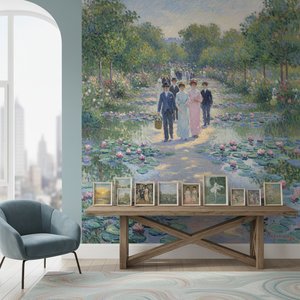
1879. Acrilico su tela.

§ 1Catalogue data


§ 2Abstract
Descrizione del reperto
"Il Conservatorio" di Édouard Manet: un affresco luminoso e raffinato che cattura l'intimità della vita borghese parigina del XIX secolo, simbolo dell'impressionismo francese. Scopri il suo stile innovativo e la sua storia!
 Espandi i dettagli
Biografia dell'artista
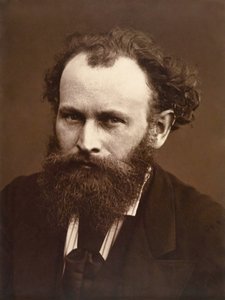
Esplora l'arte rivoluzionaria di Édouard Manet (1832-1883), una figura chiave nella transizione dal Realismo all'Impressionismo. Scopri i suoi capolavori controversi come 'Le Déjeuner sur l'herbe' & 'Olympia', e la sua influenza duratura sull'arte moderna.
§ 3Commentary
The Conservatory
“The Conservatory” by Édouard Manet is a captivating oil on canvas painting created in 1879. This work exemplifies the artist’s unique blend of Realism and Impressionism, showcasing his ability to capture modern life with elegance and simplicity. It's a scene frozen in time—a Parisian conservatory bathed in soft light, inhabited by two figures engaged in an intimate conversation that speaks volumes about their relationship.The Painting and Its Context
Manet’s decision to depict this domestic interior wasn’t merely aesthetic; it reflected the broader artistic currents of his era. He sought to portray a slice of bourgeois life—a world increasingly concerned with social decorum and subtle nuances of emotion—without resorting to idealized representations. The painting was exhibited in the 1879 Paris Salon, where it provoked considerable debate among critics and viewers alike. Some lauded Manet’s masterful handling of light and color, recognizing his contribution to Impressionism's burgeoning influence; others questioned his stylistic choices, arguing that they strayed too far from traditional academic conventions. Nevertheless, “The Conservatory” stands as a pivotal moment in art history—a testament to Manet’s unwavering commitment to portraying the complexities of human experience with unflinching honesty.The Composition
The painting depicts two figures seated on a bench within a lush garden setting, surrounded by potted plants and flowers. The man and woman are engaged in conversation, their faces turned towards each other. Jules Guillemet and his wife, Mme Guillemet, were Manet’s friends and owners of a clothing shop—a connection that adds another layer of significance to the scene. In the background, several other people can be seen standing or sitting on benches, adding depth to the composition. A vase placed near the left side of the painting serves as a decorative element, subtly enhancing the overall atmosphere. Manet’s meticulous attention to detail—particularly in capturing the textures of fabric and foliage—demonstrates his mastery of technique and reinforces the impression of immediacy and spontaneity.Artistic Style
Manet's style in “The Conservatory” is characterized by his use of bold brushstrokes and vivid colors, typical of Impressionist techniques. Unlike academic painters who prioritized precise rendering and meticulous detail, Manet embraced a looser approach—allowing for visible marks of the brush to convey movement and luminosity. He skillfully blended pigments on canvas, creating an ethereal effect that captures the fleeting beauty of natural light. The overall composition is well-balanced, with the two main figures as the focal point while still allowing for other elements to create interest. This deliberate asymmetry contributes to the painting’s dynamism and invites contemplation about the unspoken tensions beneath the surface of their interaction.Historical Significance
Édouard Manet was a pivotal figure in the transition from Realism to Impressionism. His early masterpieces, such as “The Luncheon on the Grass” and “Olympia,” caused controversy but were later praised by progressive artists. These works challenged prevailing artistic conventions and paved the way for new aesthetic sensibilities—a legacy that continues to inspire artists today. "The Conservatory" embodies this spirit of innovation—representing a decisive break from tradition while simultaneously upholding Manet’s unwavering commitment to portraying human emotion with sensitivity and nuance. It remains an enduring symbol of modern art's ambition to capture the essence of life as it unfolds in everyday moments. ## Relevance at AllPaintingsStore At AllPaintingsStore, we offer high-quality, handmade oil painting reproductions of “The Conservatory” and other notable works by Édouard Manet. Our team of skilled artists ensures that each reproduction captures the essence and beauty of the original piece—preserving its luminosity and textural richness for generations to come. Explore a stunning selection of prints and canvases designed to elevate your interior décor and bring the timeless elegance of Impressionism into your home.Domande e risposte
Con quali pseudonimi o nomi alternativi è conosciuto Édouard Manet?
Édouard Manet è noto anche con il nome di Edouard Manet.
Quale emozione trasmette "Il Conservatorio"?
"Il Conservatorio" di Édouard Manet trasmette un tono emotivo Serenità.
A quale fase della carriera di Édouard Manet appartiene "Il Conservatorio" (1879)?
La data del 1879 colloca "Il Conservatorio" nel Mature Period della carriera di Édouard Manet.


 Passa alle stampe


 Per opere d'arte o riproduzioni con un lato superiore a 105 cm (circa 41 pollici), la cornice verrà spedita in forma di kit smontato. Questo metodo garantisce una consegna sicura e previene danni durante il trasporto.