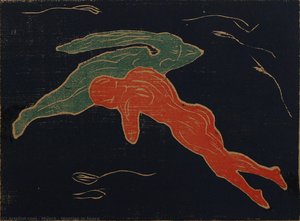
Anteprima in scala reale
 Condividi
 Condividi
 Dettagli
 Guida stampabile

 Scarica
 Articoli simili
 Radiografia
 Slideshow
 Statistiche
Despair


 Leggi tutto
Riproduzione a olio fatta a mano
Olio su tela dipinto a mano nelle tue dimensioni e con la tua cornice, realizzato su ordinazione dai nostri artisti. ( Passa alle stampe Passa all'immagine digitale)




P118B €10

P118H €10

P118W €10

P438Z €10

P508JH €12

P508YH €12

P805H €10

P805Z €10

P919BZ €10

P919G €10

P919XJ €10

P959ZH €10

P968JZ €12

W106C €8

W218G €10

W218JH €8

W218Y €10

W307PJ €10

W316G €10

W316PJ €8

W316Y €10

W398PJ €8

W4111J €10

W500HY €15

W500JH €15

W692G €12

W849H €8

W940BG €15

W953PJ €8




Scegli tra le nostre dimensioni predefinite, che rispettano le proporzioni originali dell'opera d'arte.

Inserisci la larghezza e l'altezza di cui hai bisogno, per adattarle alla tua cornice o alla tua parete. Trattandosi di un'opera dipinta a mano, in caso di dimensioni con una forma differente, l'artista può dipingere un po' più oltre i bordi dell'immagine o ritagliare leggermente — la scelta spetta a te. Ti invieremo un mockup digitale da approvare prima che la pittura abbia inizio. L'immagine mostrata in questa pagina non rappresenta il risultato reale — solo il mockup lo fa.
Dopo l'ordine, il team di AllPaintingsStore.com contatterà il cliente via e-mail per ricevere le istruzioni e fornirà un'anteprima del mockup
Consegna in tutto il mondo () in 3/4 settimane anziché nelle normali 5 settimane. (23 Ottobre). Nessun compromesso sulla qualità.

Spedizione espressa gratuita in tutto il mondo

Tela in lino di alta qualità

Assicurazione completa sulla spedizione

Garanzia di rimborso dei dazi doganali

Garanzia di perfetta fedeltà cromatica

Politica di reso entro 100 giorni (solo per difetti di fabbricazione)

Garanzia di rimborso al 100%

Sconto per acquisti multipli
 L'opzione vetro è disponibile solo per dimensioni inferiori a 110 cm

Despair
Tecnica di riproduzione
Dimensioni della riproduzione
-


Prezzo totale
€ 227
The Artist: Edvard Munch
Edvard Munch, a Norwegian painter and printmaker, is renowned for his expressionist style that delves into the depths of human emotion. Born in 1863, Munch was heavily influenced by the Impressionists and Post-Impressionists, but he developed a unique approach to art that emphasized personal experience and emotional intensity. His works often depict themes of love, death, and melancholy, reflecting his own struggles with mental health and existential anxiety.The Painting: Despair
Despair (1892) is a striking example of Munch's ability to convey complex emotions through art. The painting features a solitary figure, presumably the artist himself, standing on a pier and gazing out at the sea. The dark, muted colors and loose brushstrokes create an atmosphere of melancholy and introspection, while the vast expanse of water in the background suggests a sense of isolation and loneliness. Despair is part of Munch's "Frieze of Life" series, which explores the human condition from birth to death. This particular painting represents the theme of melancholy and despair, reflecting Munch's own struggles with depression and anxiety. The figure in the painting appears lost in thought, as if contemplating the meaning of life and the inevitability of death.Historical Context: Symbolism
Despair is often associated with the symbolist movement, a cultural and artistic phenomenon that emerged in Europe in the late 19th century. Symbolism emphasized the importance of subjective experience and the power of suggestion over representation. Artists sought to evoke emotions and ideas through symbols and metaphors, rather than depicting reality in a literal sense. Munch's work fits well within this movement, as he often used symbolic elements to convey complex emotions and themes. Despair, for example, features the sea as a symbol of the unconscious mind and the vastness of existence. The figure on the pier represents the individual's struggle to make sense of their own emotions and experiences in the face of an overwhelming and mysterious universe.Conclusion
Despair by Edvard Munch is a powerful exploration of human emotion, reflecting the artist's own struggles with depression and anxiety. As part of the symbolist movement, the painting emphasizes subjective experience and the power of suggestion over representation. By using symbols and metaphors to convey complex emotions, Munch invites viewers to contemplate their own experiences of melancholy and despair. At AllPaintingsStore.com, we offer high-quality reproductions of Despair and other works by Edvard Munch. Our handmade oil paintings capture the depth and intensity of Munch's original vision, allowing you to bring a piece of art history into your own home or office. Browse our collection today and discover the beauty and power of expressionist art. Edvard Munch - Despair (1892)/en/art/show/art-6whk8g-en/
/en/art/show/art-8xxu48-en/
/en/art/list/
/en/art/show/art-5zkg47-en/
/en/art/show/art-9dj99b-en/
/en/art/show/art-8xy5w5-en/
/en/art/show/art-5zkdk5-en/
/en/art/show/art-5zkh5g-en/
/en/art/show/art-5zkd8c-en/
/en/art/show/art-8xyc2c-en/
/en/art/show/art-8xy5w5-en/
/en/art/show/art-5zkdk5-en/
/en/art/show/art-5zkh5g-en/
/en/art/show/art-5zkd8c-en/
/en/art/show/art-8xyc2c-en/
/en/art/show/art-8xy5w5-en/
/en/art/show/art-5zkdk5-en/
/en/art/show/art-5zkh5g-en/
/en/art/show/art-5zkd8c-en/
/en/art/show/art-8xyc2c-en/
/en/art/show/art-8xy5w5-en/
/en/art/show/art-5zkdk5-en/
/en/art/show/art-5zkh5g-en/
/en/art/show/art-5zkd8c-en/
/en/art/show/art-8xyc2c-en/
/en/art/show/art-8xy5w5-en/
/en/art/show/art-5zkdk5-en/
/en/art/show/art-5zkh5g-en/
/en/art/show/art-5zkd8c-en/
/en/art/show/art-8xyc2c-en/<
Domande e risposte
È disponibile un download per "Despair"?
Puoi scaricare "Despair" di Edvard Munch dalla pagina Scarica dell'opera, come download di un'immagine digitale ad alta risoluzione.
Quale colore domina la composizione di "Despair" di Edvard Munch?
Il colore dominante di "Despair" di Edvard Munch è Espresso (#5c5458).
Chi è l'autore di "Despair" e a quale movimento appartiene?
Dietro "Despair" si trovano Edvard Munch e il movimento Expressionistic Symbolism.


Biografia dell'artista
Edvard Munch: Vita e Eredità
Primi Anni di Vita e Influenze (1863-1889)
Edvard Munch nacque il 12 dicembre 1863, ad Adelsbruk, in Svezia, sebbene trascorse la maggior parte della sua vita in Norvegia. La sua infanzia fu profondamente segnata da tragedia e instabilità. La precoce perdita di sua madre a causa della tubercolosi quando aveva cinque anni, seguita dalla morte di sua sorella preferita Sophie dalla stessa malattia nove anni dopo, lasciò un segno indelebile nella psiche di Munch. Lottò anche per tutta la vita con la paura di ereditare la malattia mentale che affliggeva suo padre. Queste esperienze instillano in lui una profonda preoccupazione per la mortalità, la malattia e il disagio psicologico – temi che avrebbero dominato la sua produzione artistica.
La sua educazione precoce alla Royal School of Art and Design a Kristiania (ora Oslo) si rivelò fondamentale. Lì, incontrò il filosofo nihilista Hans Jæger, che incoraggiava Munch ad esplorare i suoi tormenti interiori ed esprimerli attraverso l'arte, rifiutando stili accademici convenzionali. Questa guida lo spinse verso un approccio più soggettivo e emotivamente carico alla pittura.
Sviluppo Artistico e Influenze Parigine (1890-1900)
Gli anni '90 videro lo sviluppo artistico cruciale di Munch, fortemente influenzato dai suoi viaggi a Parigi e Berlino. A Parigi, fu esposto alla vivace scena artistica e assorbì influenze da postimpressionisti come Paul Gauguin, Vincent van Gogh e Henri de Toulouse-Lautrec. Abbracciò il loro uso audace del colore, le pennellate espressive e il rifiuto della rappresentazione naturalistica. L'intensità emotiva di Van Gogh lo colpì particolarmente, risuonando con le proprie lotte.
Il suo tempo a Berlino gli permise di entrare in contatto con il drammaturgo svedese August Strindberg, una relazione che si rivelò sia personalmente impegnativa che stimolante artisticamente. Questo periodo vide anche la genesi della sua ambiziosa serie Frieze of Life – una collezione di dipinti che esplorano temi di amore, paura, gelosia, tradimento e morte – tutti rappresentati con intensa emotività e profondità psicologica.
Opere Principali e Stile Artistico (1900-anni '20)
Lo stile artistico di Munch è caratterizzato dalla sua emozione grezza, dalle forme distorte e dall'uso simbolico del colore. Si allontanò dalla rappresentazione realistica, dando priorità all'espressione dei sentimenti interiori alla rappresentazione oggettiva. I suoi lavori spesso evocano un senso di disagio, ansia e terrore esistenziale.
- Il Grido (1893-1910): Il suo dipinto più iconico, raffigurante una figura sopraffatta da una crisi esistenziale contro uno sfondo vorticoso e infuocato. Esistono diverse versioni in vari media.
- Madonna (1894-1895): Un'opera controversa e profondamente personale che esplora temi di sessualità, maternità e mortalità.
- Il Bambino Malato (varie versioni): Un motivo ricorrente che riflette il trauma infantile di Munch e la perdita dei suoi cari.
- Melancolia I (1891) & II (1892): Rappresentazioni potenti di profonda tristezza e isolamento.
Anni Successivi, Riconoscimento e Eredità (anni '20-1944)
Nonostante abbia raggiunto una crescente fama e successo finanziario nella vita successiva, la vita personale di Munch rimase turbolenta. Un grave crollo mentale nel 1908 portò a un periodo di ricovero e astinenza dall'alcol. Tuttavia, i suoi anni successivi videro una rinascita della creatività e del riconoscimento, in particolare a Kristiania (Oslo). Ricevette numerosi premi e onori, consolidando la sua reputazione come uno degli artisti più importanti della Norvegia.
Munch morì il 23 gennaio 1944, ad Ekely, vicino a Oslo. La sua eredità è assicurata dal Munch Museum (fondato nel 1963), che ospita una vasta collezione delle sue opere, tra cui numerose versioni di *Il Grido*, nonché altri dipinti, stampe e disegni significativi.
Significato Storico
Il contributo di Edvard Munch alla storia dell'arte moderna è innegabile. È considerato una figura chiave nello sviluppo dell'Espressionismo, aprendo la strada agli artisti che cercavano di esprimere emozioni e stati psicologici soggettivi piuttosto che realtà oggettive. La sua esplorazione senza compromessi delle esperienze umane universali – amore, perdita, ansia e morte – continua a risuonare con il pubblico di tutto il mondo, rendendolo uno dei personaggi più influenti e duraturi nella storia dell'arte. Il suo lavoro ha avuto un profondo impatto sulle generazioni successive di artisti, influenzando movimenti come l'Espressionismo tedesco e oltre, consolidando così il suo posto come artista visionario che ha osato affrontare gli aspetti più oscuri della condizione umana.
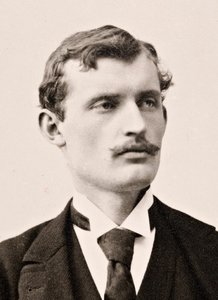
Edvard Munch
1863 - 1944 , Svezia
Informazioni rapide
- Artistic Movement Or Style: Espressionismo
- Artists Or Movements Influenced By This Artist: ['Espressionismo tedesco']
- Artists Who Influenced This Artist:
- Paul Gauguin
- Vincent van Gogh
- Henri de Toulouse-Lautrec
- Date Of Birth: 12 dicembre 1863
- Date Of Death: 23 gennaio 1944
- Full Name: Edvard Munch
- Nationality: Norvegese
- Notable Artworks:
- Il Grido
- Madonna
- Il Bambino Malato
- Melancolia I & II
- Place Of Birth: Adelsbruk, Svezia
Articoli correlati

Edvard Munch: Ansia, Modernità e l'Alba dell'Espressionismo – Un Viaggio nell'Anima Tormentata
Esplora il mondo tormentato di Edvard Munch e la nascita dell'Espressionismo. Analisi approfondite de 'L'Urlo', influenze simboliste e l'eredità duratura di questo maestro dell'arte moderna.

Espressionismo: I 10 Capolavori che Hanno Definito un Movimento Artistico | .it
Esplora i 10 capolavori dell'Espressionismo con .it! Scopri Munch, Kirchner e altri artisti iconici, le loro emozioni intense e tecniche rivoluzionarie. Trova riproduzioni di alta qualità per arredare la tua casa con arte senza tempo. Esplora la collezione online!

Unlocking Emotion: A Beginner's Guide to the Raw Power of Symbolic Expressionism Art
Discover the raw emotion of Symbolic Expressionism. Our expert guide explores how masters like Munch use color and form to convey inner feelings, offering inspiration for collectors looking to bring powerful, soulful art into their modern homes.

The Raw Emotion of Expressionism: A Deep Dive into its History, Characteristics & Enduring Influence
Explore the raw emotion of Expressionism with AllPaintingsStore. Discover its history, key artists like Kirchner & Munch, and lasting influence on modern art. Expert insights for collectors & enthusiasts.

Edvard Munch: Le 25 Opere Più Iconiche per Arredare con Emozione e Stile
Esplora le 25 opere più iconiche di Edvard Munch, dall'emozionante 'L'Urlo' ai suoi intensi ritratti. Scopri la storia, i colori e il simbolismo dell'espressionismo norvegese. Arreda con arte: riproduzioni su tela di alta qualità su AllPaintingsStore.com