


 Anteprima in scala reale
 Condividi
 Condividi
 Dettagli

 Scarica immagine
 Articoli simili
 Radiografia
 Slideshow
Blynman Bridge


 Leggi tutto
Giclée / Stampe d'arte
Stampa giclée o su tela di qualità museale, con produzione rapida e diverse opzioni di finitura. ( Ordina la riproduzione dipinta a mano Acquista download)




































Scegli tra le nostre dimensioni predefinite, che rispettano le proporzioni originali dell'opera d'arte.

È possibile inserire dimensioni personalizzate per adattare l'opera a una cornice o a uno spazio specifico. Se la dimensione selezionata non corrisponde alle proporzioni dell'immagine originale, procederemo al ritaglio dell'opera o all'estensione dell'immagine con un bordo specchiato o a tinta unita. Un mockup digitale ti verrà inviato per approvazione prima dell'inizio della produzione.
Si prega di notare che l'anteprima a schermo non riflette il ritaglio o l'estensione effettivi. Solo il mockup mostrerà accuratamente la composizione finale.
Sebbene siano disponibili dimensioni personalizzate, si raccomanda di selezionare una dimensione dall'elenco predefinito per preservare le proporzioni originali.
Consegna in tutto il mondo () in 2 settimane invece delle normali 4/5 settimane. (22 Agosto)

Spedizione espressa gratuita in tutto il mondo

Tela in lino di alta qualità

Assicurazione completa sulla spedizione

Garanzia di rimborso dei dazi doganali

Garanzia di fedeltà cromatica dell'originale

Politica di reso entro 60 giorni (solo per difetti di fabbricazione)

Garanzia di rimborso al 100%

Sconto per acquisti multipli
 L'opzione vetro è disponibile solo per dimensioni inferiori a 110 cm

Blynman Bridge
Giclée / Stampe d'arte
Dimensioni della riproduzione
-


Prezzo totale
$ 64
Descrizione del pezzo
A Portrait of Urban Quietude: Exploring Edward Hopper’s “Blynman Bridge”
Edward Hopper's "Blynman Bridge," painted in 1923, isn’t merely a depiction of an industrial landscape; it’s a masterful distillation of the anxieties and subtle beauties inherent in modern American experience. Completed during Hopper’s formative years as a painter—a period marked by experimentation with watercolor and a burgeoning fascination for capturing fleeting moments of solitude—the canvas embodies his signature style: precise realism tempered with an unsettling stillness that lingers long after the viewer departs.Composition and Perspective
The painting's visual impact begins immediately with its carefully considered perspective. Hopper eschews dramatic vistas or sweeping panoramas, opting instead for a viewpoint slightly elevated above the bridge itself. This vantage point draws the eye downwards, emphasizing the dominant architectural elements—the two imposing arches of Blynman Bridge—which dominate the composition and serve as anchors for the surrounding structures. Diagonal lines created by the grassy slope leading up to one building inject dynamism into what might otherwise feel like a static tableau. Hopper’s deliberate framing contributes significantly to the painting's mood, fostering a sense of observation rather than engagement.Watercolor Technique: Softness and Atmosphere
Hopper’s masterful use of watercolor is crucial to conveying the artwork’s emotional resonance. Rather than striving for vibrant color palettes or bold brushstrokes—a stylistic preference common in his contemporaries—he employs a muted palette dominated by shades of grey, blue, green, and brown. Watercolor allows for subtle gradations of tone and washes of color that mimic the diffused light characteristic of overcast days, mirroring the pervasive atmosphere of quiet contemplation. The artist achieves remarkable textural effects through layering thin washes of pigment, creating soft surfaces that evoke the tactile qualities of weathered stone and damp foliage. This technique isn’t simply about accurate representation; it's about capturing a feeling—a palpable sense of melancholy and introspection.Historical Context: The Rise of Industrial America
“Blynman Bridge” emerges from the crucible of the Roaring Twenties, a period marked by rapid industrial expansion and burgeoning urbanization in America. Hopper’s depiction reflects the anxieties of this era – the growing isolation felt amidst crowds, the alienation experienced within increasingly impersonal environments. The bridge itself symbolizes the connective tissue of modern life, yet Hopper presents it as a barrier rather than a facilitator of connection, reinforcing the painting's overarching theme of solitude. It speaks to a broader cultural preoccupation with capturing the unspoken realities of everyday existence—a fascination that would define Hopper’s oeuvre throughout his career.Symbolism and Emotional Impact
Beyond its formal elements, “Blynman Bridge” resonates on an emotional level. The solitary figure seated at the table – seemingly oblivious to the passing train – embodies the pervasive sense of detachment prevalent in Hopper's vision of American society. This figure is not actively engaged; he simply observes—a posture that suggests both vulnerability and resilience. The muted colors contribute to a contemplative mood, inviting viewers to ponder themes of loneliness, contemplation, and the passage of time. Ultimately, Hopper’s masterpiece transcends mere visual representation, offering a profound meditation on the human condition within the context of an evolving world.A Legacy of Quiet Reflection
Edward Hopper's "Blynman Bridge" continues to captivate audiences today precisely because it speaks to universal experiences—the yearning for connection amidst isolation, the beauty found in quiet observation. Its understated elegance and masterful technique solidify its place as a cornerstone of American Modernism, demonstrating Hopper’s enduring ability to distill complex emotions into deceptively simple compositions. It serves as an invitation to pause, to consider, and to appreciate the subtle nuances of human existence—a timeless reminder that profound beauty can reside in moments of quiet solitude.Opere correlate


Biografia dell'artista
**primi anni di vita e influenze**
Edward Hopper, un illustre pittore e incisore realista americano, nacque il 22 luglio 1882 a Upper Nyack, New York. La sua famiglia, di origine prevalentemente olandese, gli offrì una crescita confortevole che permise di coltivare le sue inclinazioni artistiche fin da giovane. - **Ispirazioni:** L'opera di Hopper fu influenzata dalle opere di Ralph Waldo Emerson e dai maestri impressionisti francesi Édouard Manet ed Edgar Degas. - **Formazione iniziale:** Iniziò gli studi artistici con un corso per corrispondenza nel 1899, per poi trasferirsi alla New York School of Art and Design.**Stile artistico e temi**
Edward Hopper's rappresentazioni spare e accuratamente calcolate riflettevano la sua visione personale della vita americana moderna. La sua opera può essere caratterizzata da: - **Scenari urbani e rurali:** Entrambi gli ambienti venivano raffigurati con un mix unico di realismo ed emozione profonda. - **Luce:** Una maestria nella luce, spesso usata per evocare sentimenti di isolamento o contemplazione. - **Figure:** Spesso senza volto o sullo sfondo, enfatizzando l'ambiente rispetto alle figure.**Opere notevoli e il loro significato**
- House by the Railroad (Museum of Modern Art, New York, United States), un esempio della capacità di Hopper di evocare un senso di malinconia attraverso una composizione semplice ma potente. - Reclining Nude (50 x 35 cm, New Realism, Watercolour), che dimostra la sua versatilità nel catturare la figura umana.**Eredità e influenza**
- **Influenza su artisti futuri:** Lo stile unico di Hopper ha influenzato numerosi artisti, tra cui Pierre Sanford Ross, noto per i suoi scenari urbani e rurali. - **Popolarità duratura:** Le sue opere continuano a catturare il pubblico con i loro temi senza tempo della solitudine e dell'essere umano.**Esplora di più su AllPaintingsStore**
- [https://AllPaintingsStore.com/@/edward-hopper](Edward Hopper's artworks) - /it/art/show/art-8xyffg-it/Buy art inspired by the masters)- Esplora il mondo dell'arte con la vasta collezione di AllPaintingsStore.
- Scopri come l'eredità di Edward Hopper continua a ispirare artisti e amanti dell'arte.
**Riferimenti**
- [https://AllPaintingsStore.com/@/edward-hopper](Wikipedia: Edward Hopper) - [https://en.wikipedia.org/wiki/edward_hopper](Wikipedia: Edward Hopper's biography)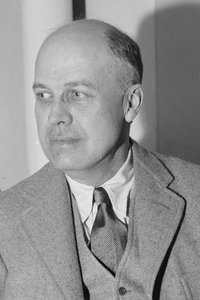
Edward Hopper
1931 - 1967 , Stati Uniti d'America
Informazioni rapide
- Artisti Influenti:
- Ralph Waldo Emerson
- Édouard Manet
- Edgar Degas
- Artisti Influenzati: ['Pierre Sanford Ross']
- Data Di Nascita: 22 luglio 1882
- Luogo Di Nascita: Upper Nyack, Stati Uniti
- Movimento Artistico: Realismo americano
- Nazionalità: Americana
- Nome Completo: Edward Hopper
- Opere Notevoli:
- House by the Railroad
- Nighthawks
- Gas
- Chop Suey
- Summertime
Articoli correlati

Edward Hopper: Le 25 Opere Iconiche che Definiscono l'America Moderna | AllPaintingsStore
Esplora le 25 opere iconiche di Edward Hopper, il maestro del realismo americano. Scopri la luce, la solitudine e l'atmosfera unica dei suoi quadri più famosi. Stampe d'arte e riproduzioni su AllPaintingsStore.com per arredare casa con stile. Esplora la collezione online!

I 10 Capolavori dell'Acquerello che Hanno Rivoluzionato l'Arte | AllPaintingsStore
Esplora i 10 capolavori dell'acquerello che hanno cambiato la storia dell'arte! Da Turner a Monet, scopri le storie e le tecniche di questi artisti iconici. Trova riproduzioni di alta qualità e idee per decorare casa con AllPaintingsStore.com.

Ephemeral Visions: Exploring the Artistic Legacy & Contemporary Practice of Watercolor Painting
Explore the captivating world of watercolor painting! Discover its rich history, essential techniques, influential artists & collecting tips. A comprehensive guide for art enthusiasts from AllPaintingsStore.

Ephemeral Visions: Exploring the History & Emotional Resonance of Watercolor Painting
Explore the captivating history of watercolor painting, from ancient techniques to modern masters like Kandinsky & Blake. Discover essential artists, collecting tips & the emotional power of this luminous medium. Expert insights for art enthusiasts.

Ephemeral Visions: Exploring the Artistic Legacy & Nuances of Watercolor Painting
Explore the captivating world of watercolor painting! Discover its rich history, essential techniques, influential artists & collecting tips from art experts. A comprehensive guide for enthusiasts.


