


 Anteprima in scala reale
 Invia
Invia Condividi
 Dettagli opera

 Scarica immagine
 Simili
 Radiografia
 Slideshow
Dawn before Gettysburg


 Espandi i dettagli
Giclée / Stampe d'arte
Stampa giclée o su tela di qualità museale, con produzione rapida e diverse opzioni di finitura. ( Acquista il dipinto realizzato a mano Acquista immagine)




P118B $10

P118H $10

P118W $10

P438Z $10

P508JH $12

P508YH $12

P805H $10

P805Z $10

P919BZ $10

P919G $10

P919XJ $10

P959ZH $10

P968JZ $12

W106C $8

W218G $10

W218JH $8

W218Y $10

W307PJ $10

W316G $10

W316PJ $8

W316Y $10

W398PJ $8

W4111J $10

W500HY $15

W500JH $15

W692G $12

W849H $8

W940BG $15

W953PJ $8




Scegli tra le nostre dimensioni predefinite, che rispettano le proporzioni originali dell'opera d'arte.

È possibile inserire dimensioni personalizzate per adattare l'opera a una cornice o a uno spazio specifico. Se la dimensione selezionata non corrisponde alle proporzioni dell'immagine originale, procederemo al ritaglio dell'opera o all'estensione dell'immagine con un bordo specchiato o a tinta unita. Un mockup digitale ti verrà inviato per approvazione prima dell'inizio della produzione.
Si prega di notare che l'anteprima a schermo non riflette il ritaglio o l'estensione effettivi. Solo il mockup mostrerà accuratamente la composizione finale.
Sebbene siano disponibili dimensioni personalizzate, si raccomanda di selezionare una dimensione dall'elenco predefinito per preservare le proporzioni originali.
Consegna in tutto il mondo () in 2 settimane invece delle normali 4/5 settimane. (22 Agosto)

Spedizione espressa gratuita in tutto il mondo

Tela in lino di alta qualità

Assicurazione completa sulla spedizione

Garanzia di rimborso dei dazi doganali

Garanzia di fedeltà cromatica

Politica di reso entro 60 giorni (solo per difetti di fabbricazione)

Garanzia di rimborso al 100%

Offerta per acquisti multipli
 L'opzione vetro è disponibile solo per dimensioni inferiori a 110 cm

Dawn before Gettysburg
Giclée / Stampe d'arte
Dimensioni riproduzione
-


Prezzo totale calcolato
$ 64
Descrizione del pezzo
Edward Hopper's "Dawn before Gettysburg": A Study in Quiet Tension
Edward Hopper’s “Dawn before Gettysburg” is not merely a depiction of Civil War soldiers; it’s a carefully constructed meditation on isolation, vigilance, and the lingering weight of history. Painted by Hopper in 1931, this black-and-white scene immediately draws the viewer into a palpable sense of unease, a feeling amplified by the stark realism with which Hopper renders his subjects and their surroundings. The composition itself is deceptively simple – a group of men, formally dressed in the uniforms of the era, occupy a roadside setting near a modest white house. Yet, within this apparent stillness lies a profound tension, born from the implied threat represented by the numerous firearms held by the figures.
- Subject Matter: The painting’s subject is rooted in American history – the Civil War era. However, Hopper doesn't offer a triumphant narrative of heroism or patriotism. Instead, he presents a moment of quiet contemplation, perhaps even apprehension, amongst those tasked with maintaining order and security.
- Composition & Technique: Hopper masterfully employs geometric forms and strong diagonals to create a sense of dynamism within the seemingly static scene. The placement of the figures, their postures, and the arrangement of the objects – benches, chairs, and the white house itself – all contribute to this carefully orchestrated tension. His use of light and shadow is particularly effective in highlighting the men’s faces and weapons, emphasizing their readiness and vulnerability simultaneously.
Symbolism and Emotional Resonance
The symbolism within “Dawn before Gettysburg” operates on multiple levels. The white house, a traditional symbol of domesticity and safety, stands in stark contrast to the soldiers' grim expressions and the presence of weaponry. This juxtaposition immediately raises questions about security, protection, and the potential for conflict lurking beneath the surface. The dawn itself – a time of new beginnings – is rendered with a muted palette, suggesting not optimism but rather a cautious awareness of the day’s uncertainties. The men themselves are presented as solitary figures, lost in their own thoughts, reflecting a common theme in Hopper's work: the alienation and loneliness experienced within modern urban life.
- Color & Tone: The monochrome palette – predominantly black and white – intensifies the emotional impact of the scene. It evokes a sense of timelessness and gravitas, reminiscent of documentary photography and historical records.
- Human Figures: Hopper’s figures are not idealized heroes; they are ordinary men burdened with responsibility and facing an uncertain future. Their expressions are ambiguous, inviting viewers to project their own anxieties and interpretations onto the scene.
Historical Context & Hopper's Vision
Created in 1931, “Dawn before Gettysburg” reflects the broader artistic trends of the early 20th century, particularly Hopper’s engagement with realism and his fascination with depicting the psychological states of individuals within their environment. Hopper was deeply interested in capturing the essence of American life – its contradictions, its anxieties, and its moments of quiet beauty. This painting can be seen as part of a larger body of work that explores themes of urban isolation, social alienation, and the impact of historical events on individual lives. Hopper’s ability to evoke such powerful emotions from seemingly simple scenes is a testament to his artistic skill and his profound understanding of the human condition.
- Hopper's Style: The painting exemplifies Hopper’s signature style – characterized by precise detail, carefully considered composition, and an underlying sense of melancholy.
- Legacy: “Dawn before Gettysburg” remains one of Hopper’s most enduring works, admired for its evocative power and its ability to resonate with viewers across generations.
Opere simili


Biografia dell'artista
**primi anni di vita e influenze**
Edward Hopper, un illustre pittore e incisore realista americano, nacque il 22 luglio 1882 a Upper Nyack, New York. La sua famiglia, di origine prevalentemente olandese, gli offrì una crescita confortevole che permise di coltivare le sue inclinazioni artistiche fin da giovane. - **Ispirazioni:** L'opera di Hopper fu influenzata dalle opere di Ralph Waldo Emerson e dai maestri impressionisti francesi Édouard Manet ed Edgar Degas. - **Formazione iniziale:** Iniziò gli studi artistici con un corso per corrispondenza nel 1899, per poi trasferirsi alla New York School of Art and Design.**Stile artistico e temi**
Edward Hopper's rappresentazioni spare e accuratamente calcolate riflettevano la sua visione personale della vita americana moderna. La sua opera può essere caratterizzata da: - **Scenari urbani e rurali:** Entrambi gli ambienti venivano raffigurati con un mix unico di realismo ed emozione profonda. - **Luce:** Una maestria nella luce, spesso usata per evocare sentimenti di isolamento o contemplazione. - **Figure:** Spesso senza volto o sullo sfondo, enfatizzando l'ambiente rispetto alle figure.**Opere notevoli e il loro significato**
- House by the Railroad (Museum of Modern Art, New York, United States), un esempio della capacità di Hopper di evocare un senso di malinconia attraverso una composizione semplice ma potente. - Reclining Nude (50 x 35 cm, New Realism, Watercolour), che dimostra la sua versatilità nel catturare la figura umana.**Eredità e influenza**
- **Influenza su artisti futuri:** Lo stile unico di Hopper ha influenzato numerosi artisti, tra cui Pierre Sanford Ross, noto per i suoi scenari urbani e rurali. - **Popolarità duratura:** Le sue opere continuano a catturare il pubblico con i loro temi senza tempo della solitudine e dell'essere umano.**Esplora di più su AllPaintingsStore**
- [https://AllPaintingsStore.com/@/edward-hopper](Edward Hopper's artworks) - /it/art/show/art-8xyffg-it/Buy art inspired by the masters)- Esplora il mondo dell'arte con la vasta collezione di AllPaintingsStore.
- Scopri come l'eredità di Edward Hopper continua a ispirare artisti e amanti dell'arte.
**Riferimenti**
- [https://AllPaintingsStore.com/@/edward-hopper](Wikipedia: Edward Hopper) - [https://en.wikipedia.org/wiki/edward_hopper](Wikipedia: Edward Hopper's biography)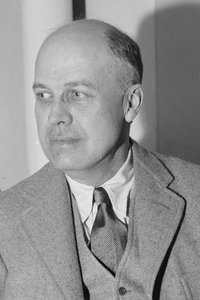
Edward Hopper
1931 - 1967 , Stati Uniti d'America
Dati rapidi
- Artisti Influenti:
- Ralph Waldo Emerson
- Édouard Manet
- Edgar Degas
- Artisti Influenzati: ['Pierre Sanford Ross']
- Data Di Nascita: 22 luglio 1882
- Luogo Di Nascita: Upper Nyack, Stati Uniti
- Movimento Artistico: Realismo americano
- Nazionalità: Americana
- Nome Completo: Edward Hopper
- Opere Notevoli:
- House by the Railroad
- Nighthawks
- Gas
- Chop Suey
- Summertime
Articoli correlati

Edward Hopper: Le 25 Opere Iconiche che Definiscono l'America Moderna | AllPaintingsStore
Esplora le 25 opere iconiche di Edward Hopper, il maestro del realismo americano. Scopri la luce, la solitudine e l'atmosfera unica dei suoi quadri più famosi. Stampe d'arte e riproduzioni su AllPaintingsStore.com per arredare casa con stile. Esplora la collezione online!

Bianco Sublime: I 10 Dipinti Più Famosi Dominati dal Colore Bianco | .it
Esplora i 10 dipinti più celebri dominati dal bianco, da Monet a Malevich. Scopri la storia, le tecniche e l'impatto di queste opere iconiche. Trova stampe su tela e riproduzioni d'arte di alta qualità per decorare casa con stile su .

Giclée Prints: Archival Quality & Aesthetic Nuances for the Discerning Collector
Explore the world of giclée prints with AllPaintingsStore. Learn about archival quality, aesthetic nuances & investment potential. Expert guidance for discerning art collectors seeking museum-quality reproductions and lasting value.

I 10 Dipinti Più Famosi Dominati dal Nero: Maestri e Storie d'Arte
Esplora i 10 dipinti più iconici dominati dal nero, da Caravaggio a Munch. Scopri storie, tecniche e il potere espressivo di artisti come Rembrandt e Goya. Trova stampe d'arte di alta qualità per la tua casa su .
Monochrome Visions: Exploring the Aesthetic & Historical Significance of Black & White Photography
Explore the rich history & artistic power of black and white photography. From early techniques to iconic masters like Ansel Adams, discover why monochrome continues to captivate art lovers today. Expert insights for collectors.


