


 Anteprima in scala reale
 Invia
Invia Condividi
 Dettagli opera
 Guida
Guida

 Scarica
 Simili
 Radiografia
 Slideshow
 Statistiche
Alarm clock


 Espandi i dettagli
Riproduzione a olio fatta a mano
Olio su tela dipinto a mano nelle tue dimensioni e con la tua cornice, realizzato su ordinazione dai nostri artisti. ( Passa alle stampe Passa all'immagine digitale)




P118B €10

P118H €10

P118W €10

P438Z €10

P508JH €12

P508YH €12

P805H €10

P805Z €10

P919BZ €10

P919G €10

P919XJ €10

P959ZH €10

P968JZ €12

W106C €8

W218G €10

W218JH €8

W218Y €10

W307PJ €10

W316G €10

W316PJ €8

W316Y €10

W398PJ €8

W4111J €10

W500HY €15

W500JH €15

W692G €12

W849H €8

W940BG €15

W953PJ €8




Scegli tra le nostre dimensioni predefinite, che rispettano le proporzioni originali dell'opera d'arte.

Inserisci la larghezza e l'altezza desiderate, per adattarle alla tua cornice o alla tua parete. Trattandosi di un'opera dipinta a mano, in caso di dimensioni con un formato differente, l'artista può estendere leggermente il dipinto oltre i bordi dell'immagine o ritagliare una piccola parte — la scelta spetta a te. Ti invieremo un mockup digitale da approvare prima che la realizzazione abbia inizio. L'immagine mostrata in questa pagina non rappresenta il risultato finale — solo il mockup lo fa.
Dopo l'ordine, il team di AllPaintingsStore.com contatterà il cliente via e-mail per ricevere le istruzioni e fornirà un'anteprima del mockup
Consegna in tutto il mondo () in 3/4 settimane anziché nelle normali 5 settimane. (26 Ottobre). Nessun compromesso sulla qualità.

Spedizione espressa gratuita in tutto il mondo

Tela in lino di alta qualità

Assicurazione completa sulla spedizione

Garanzia di rimborso dei dazi doganali

Garanzia di fedeltà cromatica assoluta

Politica di reso entro 100 giorni (solo per difetti di fabbricazione)

Garanzia di rimborso al 100%

Offerta per acquisti multipli
 L'opzione vetro è disponibile solo per dimensioni inferiori a 110 cm

Alarm clock
Tecnica di riproduzione
Dimensioni riproduzione
-


Prezzo finale calcolato
€ 226
A Moment Frozen in Time: The Mechanical Pulse of Léger
In the vast tapestry of early twentieth-century modernism, few artists captured the rhythmic, industrial heartbeat of a changing world as vibrantly as Fernand Léger. His 1914 work, Alarm Clock, serves as a profound window into a period where the boundaries between human life and the burgeoning machine age began to blur. At first glance, the painting presents a scene of unexpected narrative tension; a man, clad in a striking red and white striped shirt, sits atop a horse whose head is bowed in a moment of quietude or perhaps exhaustion. Yet, as the eye wanders through the composition, the presence of a clock on the periphery introduces a temporal weight, suggesting that even within this pastoral or communal gathering, the relentless march of time—and the mechanical precision it demands—is ever-present.
Léger’s unique approach to style and technique is on full display here, showcasing his transition from traditional influences toward what would become his signature Tubism. The painting avoids the soft, ethereal edges of Impressionism, opting instead for a more structured, almost sculptural application of form. The figures and the horse are rendered with a certain solidity, as if they were components of a larger, intricate mechanism. This technique does not merely depict a scene; it constructs one, using bold outlines and a deliberate sense of volume to celebrate the physicality of the subjects. For the discerning collector or interior designer, this piece offers a sophisticated interplay of geometry and life, making it a commanding focal point that brings a sense of structured energy to any curated space.
The historical context of 1914 adds a layer of poignant symbolism to the work. As Europe stood on the precipice of profound global upheaval, Léger was already experimenting with the integration of modern motifs into the human experience. The inclusion of the clock is not merely a decorative detail but a symbolic anchor, representing the encroaching industrial era that would soon redefine the very nature of labor and existence. There is an emotional duality at play: the warmth of the gathered crowd and the organic presence of the horse are juxtaposed against the cold, unyielding measurement of time. This tension creates a captivating psychological depth, inviting viewers to contemplate their own relationship with the modern world.
For those looking to adorn a home or gallery with a high-quality reproduction, Alarm Clock offers more than just visual beauty; it offers an intellectual journey. The painting’s ability to harmonize vibrant color—such as the energetic stripes of the rider's attire—with a grounded, rhythmic composition ensures that it complements both contemporary minimalist settings and more eclectic, classical interiors. It is a piece that speaks of movement, of the intersection between the organic and the mechanical, and of the enduring power of art to capture the fleeting essence of an era.
Domande e risposte
Quanto è marcato il contrasto in "Alarm clock" di Fernand Léger?
Il livello di contrasto di "Alarm clock" di Fernand Léger è Balanced.
Come è strutturata la composizione cromatica di "Alarm clock" di Fernand Léger?
La composizione cromatica di "Alarm clock" di Fernand Léger coniuga un Balanced contrasto con una Strong Color Unity armonia.
Quando è stata creata "Alarm clock" e a quale movimento appartiene?
"Alarm clock" di Fernand Léger risale al 1914 e appartiene al Cubism.
Opere simili


Biografia dell'artista
vitae e formazione
Fernand Léger, pittore, scultore e filmmaker francese, nacque il 4 febbraio 1881 ad Argentan, Orne, nella bassa Normandia. Suo padre allevava bovini e Léger iniziò la sua formazione come architetto nel 1897-1899. Successivamente si trasferì a Parigi nel 1900, sostenendosi con il lavoro di disegnatore architettonico.sviluppo artistico
Le prime opere di Léger furono influenzate dall'impressionismo, come visto in Le jardin de ma mère (Il giardino di mia madre) (1905). Dopo aver frequentato la scuola d'arte decorativa e l'Académie Julian, iniziò a lavorare seriamente come pittore a 25 anni. Il suo stile si evolse in una forma personale di cubismo, che i critici definirono "tubismo" per la sua enfasi su forme cilindriche.Cubismo e il gruppo dei Puteaux
Nel 1910, Léger espose al Salon d'automne insieme a Jean Metzinger e Henri Le Fauconnier. Entrò nel gruppo dei Puteaux, noto anche come la sezione d'or (la sezione aurea), insieme ad altri artisti come Francis Picabia e Marcel Duchamp.Guerra e la sua influenza sull'opera di Léger
Le esperienze di Léger nella Prima Guerra Mondiale ebbero un impatto significativo sulla sua opera. Durante il suo tempo al fronte, produsse schizzi di pezzi d'artiglieria, aerei e soldati. Il suo dipinto Soldier with a Pipe (1916) riflette questo periodo.Lavoro successivo e eredità
Il lavoro post-bellico di Léger, caratterizzato da forme meccaniche lisce, lo legò alla tradizione della pittura figurativa francese. I suoi paesaggi animati del 1921 mostrarono figure e animali in forme armoniose e razionalizzate.- visualizza le opere di Fernand Léger su AllPaintingsStore
- altro sul Fernand Léger su Wikipedia
- scopri il Musée National Fernand Légère (Francia) con AllPaintingsStore
- La donna seduta (100 x 81 cm, tubismo)
- Elemento macchina (cubismo)
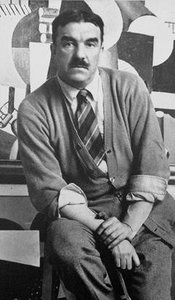
Fernand Léger
1881 - 1955 , Francia
Dettagli rapidi
- Artisti Influenti:
- Cézanne
- Impressionismo
- Artisti Influenzati: ['Pop Art']
- Data Di Nascita: 4 febbraio 1881
- Luogo Di Nascita: Argentan, Francia
- Movimento Artistico: Cubismo, Tubismo
- Nazionalità: Francese
- Nome Completo: Fernand Léger
- Opere Notevoli:
- La Grande Parata
- L'Elemento Macchina
- Donna Seduta
- The City
Articoli correlati

Modern Geometry & Machine Age Beauty: A Collector's Guide to the Cubist Vision of Fernand Léger
Explore the profound geometric mastery of Fernand Léger. Discover how his 'Tubism' and Machine Age aesthetics redefined modern art, offering timeless inspiration for discerning collectors seeking to integrate Cubist dynamism into sophisticated contemporary interiors.


