


 Anteprima in scala reale
 Invia
Invia Condividi
 Dettagli opera
 Guida
Guida

 Scarica
 Simili
 Radiografia
 Slideshow
 Statistiche
Branches (Logs)


 Espandi i dettagli
Riproduzione a olio fatta a mano
Olio su tela dipinto a mano nelle tue dimensioni e con la tua cornice, realizzato su ordinazione dai nostri artisti. ( Passa alle stampe Passa all'immagine digitale)




P118B €10

P118H €10

P118W €10

P438Z €10

P508JH €12

P508YH €12

P805H €10

P805Z €10

P919BZ €10

P919G €10

P919XJ €10

P959ZH €10

P968JZ €12

W106C €8

W218G €10

W218JH €8

W218Y €10

W307PJ €10

W316G €10

W316PJ €8

W316Y €10

W398PJ €8

W4111J €10

W500HY €15

W500JH €15

W692G €12

W849H €8

W940BG €15

W953PJ €8




Scegli tra le nostre dimensioni predefinite, che rispettano le proporzioni originali dell'opera d'arte.

Inserisci la larghezza e l'altezza desiderate, per adattarle alla tua cornice o alla tua parete. Trattandosi di un'opera dipinta a mano, in caso di dimensioni con un formato differente, l'artista può estendere leggermente il dipinto oltre i bordi dell'immagine o ritagliare una piccola parte — la scelta spetta a te. Ti invieremo un mockup digitale da approvare prima che la realizzazione abbia inizio. L'immagine mostrata in questa pagina non rappresenta il risultato finale — solo il mockup lo fa.
Dopo l'ordine, il team di AllPaintingsStore.com contatterà il cliente via e-mail per ricevere le istruzioni e fornirà un'anteprima del mockup
Consegna in tutto il mondo () in 3/4 settimane anziché nelle normali 5 settimane. (28 Ottobre). Nessun compromesso sulla qualità.

Spedizione espressa gratuita in tutto il mondo

Tela in lino di alta qualità

Assicurazione completa sulla spedizione

Garanzia di rimborso dei dazi doganali

Garanzia di fedeltà cromatica assoluta

Politica di reso entro 100 giorni (solo per difetti di fabbricazione)

Garanzia di rimborso al 100%

Offerta per acquisti multipli
 L'opzione vetro è disponibile solo per dimensioni inferiori a 110 cm

Branches (Logs)
Tecnica di riproduzione
Dimensioni riproduzione
-


Prezzo finale calcolato
€ 227
Fernand Léger’s ‘Branches (Logs)’ – A Surrealist Echo of Industry
Fernand Léger's “Branches (Logs),” painted in 1955, offers a captivating glimpse into the artist’s unique vision—a synthesis of surrealism and industrial influence. This work, seemingly simple in its arrangement of bottles, a cup, and a solitary figure, reveals layers of meaning rooted in Léger’s lifelong fascination with the burgeoning machine age and his desire to translate its rhythms and forms into a new artistic language. The painting's power lies not just in its visual composition but also in the historical context from which it emerged – a period of rapid industrialization profoundly shaping European society, and consequently, art.
- Subject Matter: The scene depicts an ambiguous space populated with commonplace objects—bottles, a cup, and a human presence. These elements are arranged in a deliberately unsettling manner, creating a sense of disorientation and inviting the viewer to question their function and significance within the overall composition.
- Style & Technique: Léger’s signature style is evident here – a blend of geometric abstraction with recognizable forms. The objects are rendered with bold, simplified shapes, echoing the mechanical precision he admired in industrial design. His use of color—muted tones punctuated by brighter accents—adds to the painting's surreal quality and emphasizes the interplay between form and color.
The Artist’s Vision: Integrating Modernity
Born Joseph Fernand Henri Léger in 1881 in Argentan, Normandy, Léger’s artistic journey was profoundly shaped by his rural upbringing. This early experience instilled a deep appreciation for the physicality of labor and the rhythms of nature – themes that would later inform his engagement with the industrial world. Unlike many of his contemporaries who sought to escape representation through pure abstraction, Léger actively embraced modernity, seeking to capture its dynamism and mechanical essence within his art. He famously declared his intention to “paint the machine,” not as a literal depiction but as an embodiment of power, progress, and the human relationship with technology.
His work reflects a desire to bridge the gap between the natural world and the burgeoning industrial landscape. The seemingly random arrangement of objects in "Branches (Logs)" can be interpreted as a visual metaphor for the chaotic yet ordered processes of industry – a reflection on humanity’s impact on, and interaction with, the environment.
Symbolism and Emotional Impact
"Branches (Logs)" is more than just a still life; it's a meditation on the human condition in an age of rapid change. The solitary figure, positioned towards the left side of the painting, adds to the sense of isolation and contemplation. It suggests a viewer observing this strange tableau, perhaps pondering its meaning or confronting the unsettling implications of industrialization. Léger’s deliberate ambiguity invites multiple interpretations, fostering a dialogue between the viewer and the artwork.
The painting's emotional impact is one of quiet unease—a subtle tension created by the juxtaposition of familiar objects in an unfamiliar setting. It evokes a sense of wonder and perhaps even apprehension about the future, prompting us to consider our place within a world increasingly shaped by technology and industry.
A Legacy of Innovation
Fernand Léger’s “Branches (Logs)” stands as a testament to his pioneering spirit and his profound influence on 20th-century art. His work helped pave the way for subsequent generations of artists who sought to explore the relationship between form, function, and the human experience in an increasingly mechanized world. A hand-painted reproduction offers a unique opportunity to own a piece of this artistic legacy, bringing Léger’s visionary aesthetic into your home or workspace.
Domande e risposte
In che modo i colori di "Branches (Logs)" di Fernand Léger si riflettono nel suo impatto emotivo?
"Branches (Logs)" di Fernand Léger unisce una tavolozza Neutrals a un tono Reflective.
Quale emozione trasmette l'opera del Surrealist Abstraction "Branches (Logs)"?
"Branches (Logs)" trasmette un tono emotivo Reflective all'interno del movimento Surrealist Abstraction.
Quale ambiente si abbina ai colori di "Branches (Logs)" di Fernand Léger?
Grazie alla sua palette di colori Neutrals, si consiglia di inserire "Branches (Logs)" in un/una Living Room.
Opere simili


Biografia dell'artista
vitae e formazione
Fernand Léger, pittore, scultore e filmmaker francese, nacque il 4 febbraio 1881 ad Argentan, Orne, nella bassa Normandia. Suo padre allevava bovini e Léger iniziò la sua formazione come architetto nel 1897-1899. Successivamente si trasferì a Parigi nel 1900, sostenendosi con il lavoro di disegnatore architettonico.sviluppo artistico
Le prime opere di Léger furono influenzate dall'impressionismo, come visto in Le jardin de ma mère (Il giardino di mia madre) (1905). Dopo aver frequentato la scuola d'arte decorativa e l'Académie Julian, iniziò a lavorare seriamente come pittore a 25 anni. Il suo stile si evolse in una forma personale di cubismo, che i critici definirono "tubismo" per la sua enfasi su forme cilindriche.Cubismo e il gruppo dei Puteaux
Nel 1910, Léger espose al Salon d'automne insieme a Jean Metzinger e Henri Le Fauconnier. Entrò nel gruppo dei Puteaux, noto anche come la sezione d'or (la sezione aurea), insieme ad altri artisti come Francis Picabia e Marcel Duchamp.Guerra e la sua influenza sull'opera di Léger
Le esperienze di Léger nella Prima Guerra Mondiale ebbero un impatto significativo sulla sua opera. Durante il suo tempo al fronte, produsse schizzi di pezzi d'artiglieria, aerei e soldati. Il suo dipinto Soldier with a Pipe (1916) riflette questo periodo.Lavoro successivo e eredità
Il lavoro post-bellico di Léger, caratterizzato da forme meccaniche lisce, lo legò alla tradizione della pittura figurativa francese. I suoi paesaggi animati del 1921 mostrarono figure e animali in forme armoniose e razionalizzate.- visualizza le opere di Fernand Léger su AllPaintingsStore
- altro sul Fernand Léger su Wikipedia
- scopri il Musée National Fernand Légère (Francia) con AllPaintingsStore
- La donna seduta (100 x 81 cm, tubismo)
- Elemento macchina (cubismo)
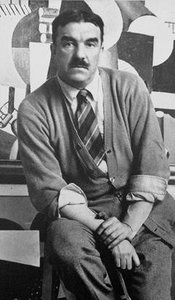
Fernand Léger
1881 - 1955 , Francia
Dettagli rapidi
- Artisti Influenti:
- Cézanne
- Impressionismo
- Artisti Influenzati: ['Pop Art']
- Data Di Nascita: 4 febbraio 1881
- Luogo Di Nascita: Argentan, Francia
- Movimento Artistico: Cubismo, Tubismo
- Nazionalità: Francese
- Nome Completo: Fernand Léger
- Opere Notevoli:
- La Grande Parata
- L'Elemento Macchina
- Donna Seduta
- The City
Articoli correlati

Contemporary Abstract Art: A Professional Buyer's Guide to Large-Scale Modern Decor for Hospitality and Corporate Interiors
A professional procurement guide for hotel designers and architects. Discover how to integrate large-scale contemporary abstract art into hospitality projects through high-volume, custom-sized oil reproductions, multi-panel layouts, and reliable global logistics.

Modern Geometry & Machine Age Beauty: A Collector's Guide to the Cubist Vision of Fernand Léger
Explore the profound geometric mastery of Fernand Léger. Discover how his 'Tubism' and Machine Age aesthetics redefined modern art, offering timeless inspiration for discerning collectors seeking to integrate Cubist dynamism into sophisticated contemporary interiors.


