


 Anteprima in scala reale
 Condividi
 Condividi
 Dettagli
 Guida stampabile

 Scarica
 Articoli simili
 Radiografia
 Slideshow
 Statistiche
Composition4


 Leggi tutto
Giclée / Stampe d'arte
Stampa giclée o su tela di qualità museale, con produzione rapida e diverse opzioni di finitura. ( Ordina la riproduzione dipinta a mano Passa all'immagine digitale)




P118B €10

P118H €10

P118W €10

P438Z €10

P508JH €12

P508YH €12

P805H €10

P805Z €10

P919BZ €10

P919G €10

P919XJ €10

P959ZH €10

P968JZ €12

W106C €8

W218G €10

W218JH €8

W218Y €10

W307PJ €10

W316G €10

W316PJ €8

W316Y €10

W398PJ €8

W4111J €10

W500HY €15

W500JH €15

W692G €12

W849H €8

W940BG €15

W953PJ €8




Scegli tra le nostre dimensioni predefinite, che rispettano le proporzioni originali dell'opera d'arte.

Inserisci la larghezza e l'altezza desiderate, per adattarle alla tua cornice o alla tua parete. Una stampa può essere solo ritagliata, mai resa più grande dell'immagine originale; pertanto, un formato con una forma differente comporterà la perdita di una parte dell'opera. Ti invieremo un mockup digitale da approvare prima di procedere con la stampa. L'immagine mostrata in questa pagina non rappresenta il ritaglio reale — solo il mockup lo mostra.
Consegna in tutto il mondo () in 2 settimane invece delle normali 4/5 settimane. (23 Ottobre)

Spedizione espressa gratuita in tutto il mondo

Tela in lino di alta qualità

Assicurazione completa sulla spedizione

Garanzia di rimborso dei dazi doganali

Garanzia di perfetta fedeltà cromatica

Politica di reso entro 100 giorni (solo per difetti di fabbricazione)

Garanzia di rimborso al 100%

Sconto per acquisti multipli
 L'opzione vetro è disponibile solo per dimensioni inferiori a 110 cm

Composition4
Giclée / Stampe d'arte
Dimensioni della riproduzione
-


Prezzo totale
€ 56
A Symphony of Form: Exploring Fernand Léger’s *Composition 4*
Fernand Léger's *Composition 4*, a striking black and white photograph capturing a key example of his modernist oeuvre, offers a compelling glimpse into the heart of an artist profoundly shaped by the burgeoning industrial age. Executed in a style that would become synonymous with his name – a bold synthesis of abstraction and recognizable form – this artwork invites viewers to contemplate the relationship between humanity and machine, a theme central to Léger’s artistic exploration. The image itself presents a carefully arranged tableau: a chair, bottle, cup, bowl, vase, and wine glass coalesce into an abstract composition, their individual identities subsumed within a larger geometric vocabulary. This isn't simply a still life; it’s a deliberate investigation of the visual language emerging from the rapid transformations occurring in France at the turn of the 20th century.
The Birth of "Tubism" and Léger’s Vision
Created by Léger around 1913-1916, *Composition 4* exemplifies the core principles of what he termed “Tubism.” Born from his observations of the mechanized world – locomotives, factory machinery, and urban landscapes – Tubism sought to represent objects not as they appeared in reality but as they were perceived through the lens of industrial form. Léger wasn’t rejecting representation entirely; rather, he was stripping away extraneous detail to reveal the underlying geometric structures that defined these new forms. The repetition of shapes—circles, squares, and cylinders—echoes the rhythmic patterns found in machinery, creating a visual resonance with the dynamism of modern life. This approach directly challenged the prevailing artistic trends of Impressionism and Post-Impressionism, paving the way for further developments in abstract art.
Technique and Materiality
While the photograph captures the essence of the original painting, it’s crucial to understand Léger's technique. He primarily employed oil paint on canvas, often applying thick impasto layers to build up texture and emphasize the three-dimensional qualities of his forms. The stark contrast between black and white in this particular image amplifies these textural effects, highlighting the deliberate physicality of his brushstrokes. Léger’s use of color was initially limited to primary hues – red, yellow, and blue – which he later expanded to include more vibrant tones as his style evolved. This emphasis on materiality—the tangible presence of paint itself—was a defining characteristic of his work, reflecting his fascination with the industrial world's raw materials.
Symbolic Resonance: Humanity in the Machine Age
*Composition 4* transcends a mere depiction of objects; it’s imbued with symbolic meaning. The carefully arranged still life can be interpreted as an allegory for humanity’s place within the machine age. The fragmented forms suggest a breakdown of traditional notions of beauty and harmony, reflecting the anxieties and uncertainties surrounding rapid industrialization. Yet, despite this fragmentation, there's also a sense of order and balance, suggesting Léger’s belief in the potential for humans to adapt and thrive amidst technological change. The objects themselves – everyday items elevated to artistic significance – speak to the artist’s desire to find beauty and meaning in the mundane aspects of modern life.
Domande e risposte
Qual è il tono emotivo di "Composition4" di Fernand Léger?
Il tono emotivo registrato per "Composition4" di Fernand Léger è Reflective. Esso riassume la sensazione espressa dall'opera.
Che livello di contrasto presenta "Composition4" di Fernand Léger?
Il contrasto chiaroscurale di "Composition4" è registrato come Statement. Il contrasto descrive quanto marcata sia la differenza tra le aree chiare e quelle scure.
Qual è la collocazione storica di "Composition4"?
"Composition4" di Fernand Léger appartiene al movimento Cubist Modernism, all'interno del periodo Modern. Insieme, conferiscono all'opera il suo posto nella storia dell'arte.
Opere correlate


Biografia dell'artista
vitae e formazione
Fernand Léger, pittore, scultore e filmmaker francese, nacque il 4 febbraio 1881 ad Argentan, Orne, nella bassa Normandia. Suo padre allevava bovini e Léger iniziò la sua formazione come architetto nel 1897-1899. Successivamente si trasferì a Parigi nel 1900, sostenendosi con il lavoro di disegnatore architettonico.sviluppo artistico
Le prime opere di Léger furono influenzate dall'impressionismo, come visto in Le jardin de ma mère (Il giardino di mia madre) (1905). Dopo aver frequentato la scuola d'arte decorativa e l'Académie Julian, iniziò a lavorare seriamente come pittore a 25 anni. Il suo stile si evolse in una forma personale di cubismo, che i critici definirono "tubismo" per la sua enfasi su forme cilindriche.Cubismo e il gruppo dei Puteaux
Nel 1910, Léger espose al Salon d'automne insieme a Jean Metzinger e Henri Le Fauconnier. Entrò nel gruppo dei Puteaux, noto anche come la sezione d'or (la sezione aurea), insieme ad altri artisti come Francis Picabia e Marcel Duchamp.Guerra e la sua influenza sull'opera di Léger
Le esperienze di Léger nella Prima Guerra Mondiale ebbero un impatto significativo sulla sua opera. Durante il suo tempo al fronte, produsse schizzi di pezzi d'artiglieria, aerei e soldati. Il suo dipinto Soldier with a Pipe (1916) riflette questo periodo.Lavoro successivo e eredità
Il lavoro post-bellico di Léger, caratterizzato da forme meccaniche lisce, lo legò alla tradizione della pittura figurativa francese. I suoi paesaggi animati del 1921 mostrarono figure e animali in forme armoniose e razionalizzate.- visualizza le opere di Fernand Léger su AllPaintingsStore
- altro sul Fernand Léger su Wikipedia
- scopri il Musée National Fernand Légère (Francia) con AllPaintingsStore
- La donna seduta (100 x 81 cm, tubismo)
- Elemento macchina (cubismo)
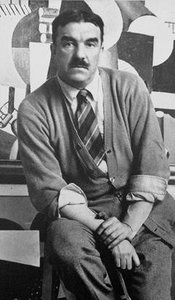
Fernand Léger
1881 - 1955 , Francia
Informazioni rapide
- Artisti Influenti:
- Cézanne
- Impressionismo
- Artisti Influenzati: ['Pop Art']
- Data Di Nascita: 4 febbraio 1881
- Luogo Di Nascita: Argentan, Francia
- Movimento Artistico: Cubismo, Tubismo
- Nazionalità: Francese
- Nome Completo: Fernand Léger
- Opere Notevoli:
- La Grande Parata
- L'Elemento Macchina
- Donna Seduta
- The City
Articoli correlati

Contemporary Abstract Art: A Professional Buyer's Guide to Large-Scale Modern Decor for Hospitality and Corporate Interiors
A professional procurement guide for hotel designers and architects. Discover how to integrate large-scale contemporary abstract art into hospitality projects through high-volume, custom-sized oil reproductions, multi-panel layouts, and reliable global logistics.

Neo-Abstract Art Trend Forecast: High-Impact Geometric Compositions for Contemporary Commercial Interiors
Elevate commercial interiors with Neo-Abstract art. Discover how high-impact geometric compositions and custom oil reproductions provide scalable, sophisticated design solutions for hotels, restaurants, and corporate spaces. Expert procurement for large-scale hospitality projects.


