


 Anteprima in scala reale
 Condividi
 Condividi
 Dettagli
 Guida
Guida

 Scarica
 Articoli simili
 Radiografia
 Slideshow
 Statistiche
Deauville


 Leggi tutto
Giclée / Stampe d'arte
Stampa giclée o su tela di qualità museale, con produzione rapida e diverse opzioni di finitura. ( Ordina la riproduzione dipinta a mano Passa all'immagine digitale)




P118B $10

P118H $10

P118W $10

P438Z $10

P508JH $12

P508YH $12

P805H $10

P805Z $10

P919BZ $10

P919G $10

P919XJ $10

P959ZH $10

P968JZ $12

W106C $8

W218G $10

W218JH $8

W218Y $10

W307PJ $10

W316G $10

W316PJ $8

W316Y $10

W398PJ $8

W4111J $10

W500HY $15

W500JH $15

W692G $12

W849H $8

W940BG $15

W953PJ $8




Scegli tra le nostre dimensioni predefinite, che rispettano le proporzioni originali dell'opera d'arte.

È possibile inserire dimensioni personalizzate per adattare l'opera a una cornice o a uno spazio specifico. Se la dimensione selezionata non corrisponde alle proporzioni dell'immagine originale, procederemo al ritaglio dell'opera o all'estensione dell'immagine con un bordo specchiato o a tinta unita. Un mockup digitale ti verrà inviato per approvazione prima dell'inizio della produzione.
Si prega di notare che l'anteprima a schermo non riflette il ritaglio o l'estensione effettivi. Solo il mockup mostrerà accuratamente la composizione finale.
Sebbene siano disponibili dimensioni personalizzate, si raccomanda di selezionare una dimensione dall'elenco predefinito per preservare le proporzioni originali.
Consegna in tutto il mondo () in 2 settimane invece delle normali 4/5 settimane. (24 Settembre)

Spedizione espressa gratuita in tutto il mondo

Tela in lino di alta qualità

Assicurazione completa sulla spedizione

Garanzia di rimborso dei dazi doganali

Garanzia di perfetta fedeltà cromatica

Politica di reso entro 100 giorni (solo per difetti di fabbricazione)

Garanzia di rimborso al 100%

Sconto per acquisti multipli
 L'opzione vetro è disponibile solo per dimensioni inferiori a 110 cm

Deauville
Giclée / Stampe d'arte
Dimensioni della riproduzione
-


Prezzo totale
$ 64
Fernand Léger’s ‘Deauville’: A Symphony of Machine and Color
Fernand Léger's “Deauville,” a vibrant explosion of color and geometric forms, offers a compelling glimpse into the heart of early 20th-century abstraction. Painted by one of the most significant figures in modern art, this work transcends mere representation, instead embodying Léger’s profound engagement with the burgeoning industrial age and his desire to translate its dynamism onto canvas. The painting's bold palette – dominated by assertive reds, yellows, blues, greens, and whites – immediately commands attention, drawing the viewer into a world where traditional notions of beauty are deliberately subverted.
Purist Vision: Echoes of an Industrial Age
Created during Léger’s pivotal period as a “purist,” “Deauville” reflects his commitment to capturing the essence of modern life. Born in 1881 in Argentan, Normandy, Léger's upbringing amidst the rural landscape profoundly shaped his artistic sensibility. However, his relocation to Paris around 1900 ignited a passion for the burgeoning industrial world – the factories, machines, and urban sprawl that were rapidly transforming Europe. This fascination is brilliantly articulated through the painting’s fractured forms: circles, squares, and triangles, reminiscent of gears, wheels, and other mechanical components. The scattered dots further amplify this effect, suggesting a fragmented, almost chaotic, yet ultimately ordered vision of progress.
Technique and Composition – A Calculated Chaos
Léger’s technique is characterized by a deliberate application of paint, often employing thick impasto to build up texture and emphasize the physicality of his forms. The composition itself is remarkably expansive, filling almost the entire canvas with its energetic arrangement. This vastness contributes to the painting's immersive quality, enveloping the viewer within its vibrant world. The artist’s use of color isn’t simply decorative; it’s a carefully considered strategy for conveying movement and energy. The juxtaposition of warm and cool tones creates visual tension, mirroring the dynamism he sought to capture.
Symbolism: Beyond the Mechanical
While “Deauville” undeniably reflects Léger's fascination with machinery, it’s important to recognize that the painting carries deeper symbolic weight. It represents a broader exploration of humanity’s relationship with technology and its impact on society. The fragmented forms can be interpreted as representing the breakdown of traditional values and the emergence of a new, mechanized world order. Yet, despite this potentially unsettling vision, there's also an underlying sense of optimism – a belief in the potential for progress and innovation. Léger wasn’t simply depicting machines; he was attempting to capture their spirit, their power, and their transformative influence.
A Legacy of Innovation
Fernand Léger's “Deauville” stands as a testament to his groundbreaking contribution to modern art. His work paved the way for subsequent generations of abstract artists and continues to resonate with viewers today. This large-scale reproduction offers an exceptional opportunity to experience firsthand the power and beauty of Léger’s vision – a bold, vibrant, and profoundly influential masterpiece.
Opere correlate


Biografia dell'artista
vitae e formazione
Fernand Léger, pittore, scultore e filmmaker francese, nacque il 4 febbraio 1881 ad Argentan, Orne, nella bassa Normandia. Suo padre allevava bovini e Léger iniziò la sua formazione come architetto nel 1897-1899. Successivamente si trasferì a Parigi nel 1900, sostenendosi con il lavoro di disegnatore architettonico.sviluppo artistico
Le prime opere di Léger furono influenzate dall'impressionismo, come visto in Le jardin de ma mère (Il giardino di mia madre) (1905). Dopo aver frequentato la scuola d'arte decorativa e l'Académie Julian, iniziò a lavorare seriamente come pittore a 25 anni. Il suo stile si evolse in una forma personale di cubismo, che i critici definirono "tubismo" per la sua enfasi su forme cilindriche.Cubismo e il gruppo dei Puteaux
Nel 1910, Léger espose al Salon d'automne insieme a Jean Metzinger e Henri Le Fauconnier. Entrò nel gruppo dei Puteaux, noto anche come la sezione d'or (la sezione aurea), insieme ad altri artisti come Francis Picabia e Marcel Duchamp.Guerra e la sua influenza sull'opera di Léger
Le esperienze di Léger nella Prima Guerra Mondiale ebbero un impatto significativo sulla sua opera. Durante il suo tempo al fronte, produsse schizzi di pezzi d'artiglieria, aerei e soldati. Il suo dipinto Soldier with a Pipe (1916) riflette questo periodo.Lavoro successivo e eredità
Il lavoro post-bellico di Léger, caratterizzato da forme meccaniche lisce, lo legò alla tradizione della pittura figurativa francese. I suoi paesaggi animati del 1921 mostrarono figure e animali in forme armoniose e razionalizzate.- visualizza le opere di Fernand Léger su AllPaintingsStore
- altro sul Fernand Léger su Wikipedia
- scopri il Musée National Fernand Légère (Francia) con AllPaintingsStore
- La donna seduta (100 x 81 cm, tubismo)
- Elemento macchina (cubismo)
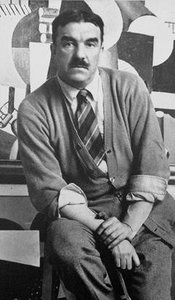
Fernand Léger
1881 - 1955 , Francia
Informazioni rapide
- Artisti Influenti:
- Cézanne
- Impressionismo
- Artisti Influenzati: ['Pop Art']
- Data Di Nascita: 4 febbraio 1881
- Luogo Di Nascita: Argentan, Francia
- Movimento Artistico: Cubismo, Tubismo
- Nazionalità: Francese
- Nome Completo: Fernand Léger
- Opere Notevoli:
- La Grande Parata
- L'Elemento Macchina
- Donna Seduta
- The City
Articoli correlati

Neo-Abstract Art Trend Forecast: High-Impact Geometric Compositions for Contemporary Commercial Interiors
Elevate commercial interiors with Neo-Abstract art. Discover how high-impact geometric compositions and custom oil reproductions provide scalable, sophisticated design solutions for hotels, restaurants, and corporate spaces. Expert procurement for large-scale hospitality projects.

Contemporary Abstract Art: A Professional Buyer's Guide to Large-Scale Modern Decor for Hospitality and Corporate Interiors
A professional procurement guide for hotel designers and architects. Discover how to integrate large-scale contemporary abstract art into hospitality projects through high-volume, custom-sized oil reproductions, multi-panel layouts, and reliable global logistics.


