


 Anteprima in scala reale
 Condividi
 Condividi
 Dettagli
 Guida stampabile

 Scarica
 Articoli simili
 Radiografia
 Slideshow
 Statistiche
Mechanical Elements


 Leggi tutto
Riproduzione a olio fatta a mano
Olio su tela dipinto a mano nelle tue dimensioni e con la tua cornice, realizzato su ordinazione dai nostri artisti. ( Passa alle stampe Passa all'immagine digitale)




P118B €10

P118H €10

P118W €10

P438Z €10

P508JH €12

P508YH €12

P805H €10

P805Z €10

P919BZ €10

P919G €10

P919XJ €10

P959ZH €10

P968JZ €12

W106C €8

W218G €10

W218JH €8

W218Y €10

W307PJ €10

W316G €10

W316PJ €8

W316Y €10

W398PJ €8

W4111J €10

W500HY €15

W500JH €15

W692G €12

W849H €8

W940BG €15

W953PJ €8




Scegli tra le nostre dimensioni predefinite, che rispettano le proporzioni originali dell'opera d'arte.

Inserisci la larghezza e l'altezza di cui hai bisogno, per adattarle alla tua cornice o alla tua parete. Trattandosi di un'opera dipinta a mano, in caso di dimensioni con una forma differente, l'artista può dipingere un po' più oltre i bordi dell'immagine o ritagliare leggermente — la scelta spetta a te. Ti invieremo un mockup digitale da approvare prima che la pittura abbia inizio. L'immagine mostrata in questa pagina non rappresenta il risultato reale — solo il mockup lo fa.
Dopo l'ordine, il team di AllPaintingsStore.com contatterà il cliente via e-mail per ricevere le istruzioni e fornirà un'anteprima del mockup
Consegna in tutto il mondo () in 3/4 settimane anziché nelle normali 5 settimane. (22 Ottobre). Nessun compromesso sulla qualità.

Spedizione espressa gratuita in tutto il mondo

Tela in lino di alta qualità

Assicurazione completa sulla spedizione

Garanzia di rimborso dei dazi doganali

Garanzia di perfetta fedeltà cromatica

Politica di reso entro 100 giorni (solo per difetti di fabbricazione)

Garanzia di rimborso al 100%

Sconto per acquisti multipli
 L'opzione vetro è disponibile solo per dimensioni inferiori a 110 cm

Mechanical Elements
Tecnica di riproduzione
Dimensioni della riproduzione
-


Prezzo totale
€ 225
A Symphony of Steel and Form: Decoding Fernand Léger’s “Mechanical Elements”
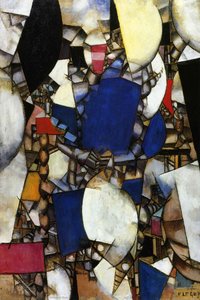
Fernand Léger's "Machine Elements," painted in 1920, isn’t merely a depiction of machinery; it’s an audacious declaration of artistic ambition—a bold experiment to reconcile the burgeoning fascination with industrial progress with the core tenets of Cubism. This monumental canvas embodies Léger’s conviction that abstraction could serve as a conduit for conveying not just visual information but also profound emotional resonance, mirroring the transformative anxieties and exhilarations of the era.- Subject Matter: The painting presents a striking juxtaposition between human anatomy—represented in simplified geometric forms—and colossal mechanical components. A solitary figure dominates the composition, encased within a stylized suit adorned with angular protrusions reminiscent of gears and pistons. This deliberate pairing underscores Léger’s preoccupation with the merging of organic and inorganic realms – a visual metaphor for humanity's evolving relationship with technology.
- Style: Léger firmly established himself as a pioneer of Cubism, albeit one who diverged from Picasso and Braque’s more fragmented explorations. He retained a grounding in observation, meticulously analyzing the contours of objects and translating them into interlocking planes that simultaneously reveal multiple perspectives. Unlike purely abstract compositions, “Machine Elements” maintains a palpable sense of spatial depth achieved through careful layering and tonal modulation.
Technique & Color Palette: Embracing Geometric Precision
Executed in oil on canvas, Léger’s technique is characterized by meticulous brushwork—precise strokes that contribute to the overall textural richness of the artwork. The dominant color scheme – blacks, grays, and reds – isn't chosen arbitrarily; it reflects the aesthetic sensibilities of the time, mirroring the industrial landscape and conveying a feeling of austere grandeur. Léger’s masterful use of tonal gradation creates dramatic contrasts, emphasizing the sculptural qualities of the mechanical forms while simultaneously hinting at an underlying emotional urgency.- Color Symbolism: The crimson hues punctuate the grayscale expanse, symbolizing both the heat and energy associated with machinery – a visual representation of technological advancement. Simultaneously, they evoke associations with primal forces, subtly reminding viewers of humanity’s origins amidst the natural world.
Historical Context & Artistic Significance
“Machine Elements” emerged during the height of the Industrial Revolution and its immediate aftermath—a period marked by unprecedented urbanization, technological innovation, and societal upheaval. Léger's artwork captures this zeitgeist perfectly, articulating the anxieties surrounding rapid industrialization alongside an optimistic belief in progress. It stands as a cornerstone of Cubist art history, demonstrating how abstraction could be harnessed to express complex ideas about human experience within a rapidly changing world.- Influence: Léger’s bold stylistic choices profoundly impacted subsequent generations of artists, paving the way for developments in Surrealism and Constructivism. His unwavering commitment to translating observation into geometric abstraction solidified Cubism's legacy as one of the most influential movements of the 20th century.
Emotional Impact & Artistic Legacy
Ultimately, “Machine Elements” transcends mere visual representation; it communicates a powerful emotional statement about humanity’s place in the cosmos. Léger's masterful manipulation of form and color compels viewers to confront questions regarding identity, transformation, and the relationship between human consciousness and technological advancement. It remains an enduring testament to Léger’s artistic vision—a captivating exploration of abstraction that continues to inspire awe and provoke contemplation.Domande e risposte
Quanta luce sembrano riflettere i colori di "Mechanical Elements"?
"Mechanical Elements" di Fernand Léger ha una luminanza di Gentle Luminance. La luminanza descrive quanta luce sembrano riflettere i colori.
Dove posso scaricare "Mechanical Elements" di Fernand Léger?
È disponibile un download per "Mechanical Elements": la pagina Scarica dell'opera offre download di un'immagine digitale ad alta risoluzione.
In che modo i colori di "Mechanical Elements" si relazionano tra loro?
I colori di "Mechanical Elements" di Fernand Léger mostrano un'armonia Discordant Palette. L'armonia descrive il modo in cui i colori interagiscono tra loro.
Opere correlate




Biografia dell'artista
vitae e formazione
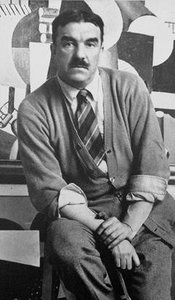
Fernand Léger, pittore, scultore e filmmaker francese, nacque il 4 febbraio 1881 ad Argentan, Orne, nella bassa Normandia. Suo padre allevava bovini e Léger iniziò la sua formazione come architetto nel 1897-1899. Successivamente si trasferì a Parigi nel 1900, sostenendosi con il lavoro di disegnatore architettonico.sviluppo artistico
Le prime opere di Léger furono influenzate dall'impressionismo, come visto in Le jardin de ma mère (Il giardino di mia madre) (1905). Dopo aver frequentato la scuola d'arte decorativa e l'Académie Julian, iniziò a lavorare seriamente come pittore a 25 anni. Il suo stile si evolse in una forma personale di cubismo, che i critici definirono "tubismo" per la sua enfasi su forme cilindriche.Cubismo e il gruppo dei Puteaux
Nel 1910, Léger espose al Salon d'automne insieme a Jean Metzinger e Henri Le Fauconnier. Entrò nel gruppo dei Puteaux, noto anche come la sezione d'or (la sezione aurea), insieme ad altri artisti come Francis Picabia e Marcel Duchamp.Guerra e la sua influenza sull'opera di Léger
Le esperienze di Léger nella Prima Guerra Mondiale ebbero un impatto significativo sulla sua opera. Durante il suo tempo al fronte, produsse schizzi di pezzi d'artiglieria, aerei e soldati. Il suo dipinto Soldier with a Pipe (1916) riflette questo periodo.Lavoro successivo e eredità
Il lavoro post-bellico di Léger, caratterizzato da forme meccaniche lisce, lo legò alla tradizione della pittura figurativa francese. I suoi paesaggi animati del 1921 mostrarono figure e animali in forme armoniose e razionalizzate.- visualizza le opere di Fernand Léger su AllPaintingsStore
- altro sul Fernand Léger su Wikipedia
- scopri il Musée National Fernand Légère (Francia) con AllPaintingsStore
- La donna seduta (100 x 81 cm, tubismo)
- Elemento macchina (cubismo)
Fernand Léger
1881 - 1955 , Francia
Informazioni rapide
- Artisti Influenti:
- Cézanne
- Impressionismo
- Artisti Influenzati: ['Pop Art']
- Data Di Nascita: 4 febbraio 1881
- Luogo Di Nascita: Argentan, Francia
- Movimento Artistico: Cubismo, Tubismo
- Nazionalità: Francese
- Nome Completo: Fernand Léger
- Opere Notevoli:
- La Grande Parata
- L'Elemento Macchina
- Donna Seduta
- The City
Articoli correlati

Neo-Abstract Art Trend Forecast: High-Impact Geometric Compositions for Contemporary Commercial Interiors
Elevate commercial interiors with Neo-Abstract art. Discover how high-impact geometric compositions and custom oil reproductions provide scalable, sophisticated design solutions for hotels, restaurants, and corporate spaces. Expert procurement for large-scale hospitality projects.

Cubism Explained: A Professional Guide to Geometric Abstraction for Modern Interior Design
Master the impact of Cubism in modern design. Our expert guide explores geometric abstraction, Picasso's legacy, and professional solutions for sourcing high-quality Cubist reproductions for hotels, corporate spaces, and luxury interiors.

Modern Geometry & Machine Age Beauty: A Collector's Guide to the Cubist Vision of Fernand Léger
Explore the profound geometric mastery of Fernand Léger. Discover how his 'Tubism' and Machine Age aesthetics redefined modern art, offering timeless inspiration for discerning collectors seeking to integrate Cubist dynamism into sophisticated contemporary interiors.


