


 Anteprima in scala reale
 Condividi
 Condividi
 Dettagli
 Guida stampabile

 Scarica
 Articoli simili
 Radiografia
 Slideshow
 Statistiche
Mechanical Elements on red background
 Acrylic
- WallArt
- Geometric Abstraction
 1924
1924 92.0 x 65.0 cm
 Leggi tutto
Giclée / Stampe d'arte
Stampa giclée o su tela di qualità museale, con produzione rapida e diverse opzioni di finitura. ( Ordina la riproduzione dipinta a mano Passa all'immagine digitale)




P118B €10

P118H €10

P118W €10

P438Z €10

P508JH €12

P508YH €12

P805H €10

P805Z €10

P919BZ €10

P919G €10

P919XJ €10

P959ZH €10

P968JZ €12

W106C €8

W218G €10

W218JH €8

W218Y €10

W307PJ €10

W316G €10

W316PJ €8

W316Y €10

W398PJ €8

W4111J €10

W500HY €15

W500JH €15

W692G €12

W849H €8

W940BG €15

W953PJ €8




Scegli tra le nostre dimensioni predefinite, che rispettano le proporzioni originali dell'opera d'arte.

Inserisci la larghezza e l'altezza desiderate, per adattarle alla tua cornice o alla tua parete. Una stampa può essere solo ritagliata, mai resa più grande dell'immagine originale; pertanto, un formato con una forma differente comporterà la perdita di una parte dell'opera. Ti invieremo un mockup digitale da approvare prima di procedere con la stampa. L'immagine mostrata in questa pagina non rappresenta il ritaglio reale — solo il mockup lo mostra.
Consegna in tutto il mondo () in 2 settimane invece delle normali 4/5 settimane. (23 Ottobre)

Spedizione espressa gratuita in tutto il mondo

Tela in lino di alta qualità

Assicurazione completa sulla spedizione

Garanzia di rimborso dei dazi doganali

Garanzia di perfetta fedeltà cromatica

Politica di reso entro 100 giorni (solo per difetti di fabbricazione)

Garanzia di rimborso al 100%

Sconto per acquisti multipli
 L'opzione vetro è disponibile solo per dimensioni inferiori a 110 cm

Mechanical Elements on red background
Giclée / Stampe d'arte
Dimensioni della riproduzione
-


Prezzo totale
€ 56
A Bold Embrace of Mechanization: Exploring Fernand Léger’s “Mechanical Elements on Red Background”
Fernand Léger's "Mechanical Elements on Red Background," painted in 1924, isn’t merely a depiction of industrial forms; it’s an assertion of artistic conviction—a defiant refusal to abandon representational observation while simultaneously propelling itself into the realm of abstraction. This striking canvas embodies the spirit of its time, capturing the burgeoning fascination with technology and its transformative influence on human experience during the interwar years. Léger's vision wasn't simply about replicating machines; he sought to distill their essence—their rhythm, their energy, their geometric precision—into a visual language that resonated with both intellectual curiosity and visceral emotion.- Subject Matter: The painting presents a dynamic composition dominated by circles, triangles, squares, and rectangles – all rendered in bold reds against a stark crimson backdrop. These shapes aren’t randomly scattered; they are deliberately arranged to convey a sense of movement and interconnectedness, mirroring the ceaseless activity of factories and urban landscapes.
- Style: Léger's style is firmly rooted in Constructivism, an influential artistic movement that emerged from Russia following the October Revolution. Unlike Impressionism’s focus on fleeting impressions of light and color, Constructivism prioritized geometric abstraction as a means of expressing underlying structural principles—a belief that form dictated content.
Technique & Material Considerations
Léger employed a distinctive technique characterized by thick impasto – applying paint in layers with considerable texture. This physicality is crucial to conveying the feeling of industrial solidity and the relentless force of machinery. The artist utilized oil paints on canvas, meticulously blending colors to achieve maximum vibrancy and luminosity. Careful attention was paid to tonal variations within the red hues, creating depth and emphasizing the dramatic impact of the composition.Historical Context & Influences
“Mechanical Elements on Red Background” emerged during a period marked by unprecedented industrial expansion and societal upheaval. Léger’s work reflects the anxieties and aspirations surrounding this era—the fear of obsolescence alongside the optimism about technological progress. He drew inspiration from Futurism, another avant-garde movement that championed speed, dynamism, and the glorification of machines. However, Léger distinguished himself by grounding his abstraction in a careful observation of industrial forms, rejecting Futurist’s purely expressive impulses.Symbolic Resonance & Emotional Impact
The dominant red color isn't merely decorative; it symbolizes energy, passion, and the heat of industrial furnaces. The geometric shapes—circles, triangles, squares—represent fundamental building blocks of both nature and machine construction. Léger’s intention was to evoke a sense of awe and wonder at the transformative power of technology while simultaneously conveying an underlying feeling of melancholy – perhaps reflecting the displacement caused by rapid urbanization and industrialization. Ultimately, “Mechanical Elements on Red Background” invites contemplation on humanity's relationship with progress and its enduring fascination with form.Domande e risposte
Che tipo di colori utilizza "Mechanical Elements on red background"?
La tavolozza di "Mechanical Elements on red background" di Fernand Léger viene descritta come Earthy. Si tratta di una descrizione sintetica dei colori dell'opera.
Quale colore domina la composizione di "Mechanical Elements on red background" di Fernand Léger?
Il colore che risalta maggiormente in "Mechanical Elements on red background" è Gray (#958e86). Il colore dominante è utile per abbinare un'opera d'arte a un ambiente interno.
A quale movimento artistico appartiene "Mechanical Elements on red background" di Fernand Léger?
"Mechanical Elements on red background" di Fernand Léger appartiene al movimento Geometric Abstraction. Questo movimento fornisce il contesto stilistico dell'opera.
Opere correlate


Biografia dell'artista
vitae e formazione
Fernand Léger, pittore, scultore e filmmaker francese, nacque il 4 febbraio 1881 ad Argentan, Orne, nella bassa Normandia. Suo padre allevava bovini e Léger iniziò la sua formazione come architetto nel 1897-1899. Successivamente si trasferì a Parigi nel 1900, sostenendosi con il lavoro di disegnatore architettonico.sviluppo artistico
Le prime opere di Léger furono influenzate dall'impressionismo, come visto in Le jardin de ma mère (Il giardino di mia madre) (1905). Dopo aver frequentato la scuola d'arte decorativa e l'Académie Julian, iniziò a lavorare seriamente come pittore a 25 anni. Il suo stile si evolse in una forma personale di cubismo, che i critici definirono "tubismo" per la sua enfasi su forme cilindriche.Cubismo e il gruppo dei Puteaux
Nel 1910, Léger espose al Salon d'automne insieme a Jean Metzinger e Henri Le Fauconnier. Entrò nel gruppo dei Puteaux, noto anche come la sezione d'or (la sezione aurea), insieme ad altri artisti come Francis Picabia e Marcel Duchamp.Guerra e la sua influenza sull'opera di Léger
Le esperienze di Léger nella Prima Guerra Mondiale ebbero un impatto significativo sulla sua opera. Durante il suo tempo al fronte, produsse schizzi di pezzi d'artiglieria, aerei e soldati. Il suo dipinto Soldier with a Pipe (1916) riflette questo periodo.Lavoro successivo e eredità
Il lavoro post-bellico di Léger, caratterizzato da forme meccaniche lisce, lo legò alla tradizione della pittura figurativa francese. I suoi paesaggi animati del 1921 mostrarono figure e animali in forme armoniose e razionalizzate.- visualizza le opere di Fernand Léger su AllPaintingsStore
- altro sul Fernand Léger su Wikipedia
- scopri il Musée National Fernand Légère (Francia) con AllPaintingsStore
- La donna seduta (100 x 81 cm, tubismo)
- Elemento macchina (cubismo)
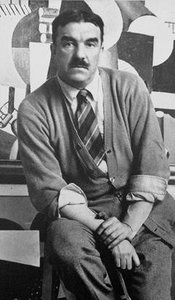
Fernand Léger
1881 - 1955 , Francia
Informazioni rapide
- Artisti Influenti:
- Cézanne
- Impressionismo
- Artisti Influenzati: ['Pop Art']
- Data Di Nascita: 4 febbraio 1881
- Luogo Di Nascita: Argentan, Francia
- Movimento Artistico: Cubismo, Tubismo
- Nazionalità: Francese
- Nome Completo: Fernand Léger
- Opere Notevoli:
- La Grande Parata
- L'Elemento Macchina
- Donna Seduta
- The City
Articoli correlati

Cubism Explained: A Professional Guide to Geometric Abstraction for Modern Interior Design
Master the impact of Cubism in modern design. Our expert guide explores geometric abstraction, Picasso's legacy, and professional solutions for sourcing high-quality Cubist reproductions for hotels, corporate spaces, and luxury interiors.

Modern Geometry & Machine Age Beauty: A Collector's Guide to the Cubist Vision of Fernand Léger
Explore the profound geometric mastery of Fernand Léger. Discover how his 'Tubism' and Machine Age aesthetics redefined modern art, offering timeless inspiration for discerning collectors seeking to integrate Cubist dynamism into sophisticated contemporary interiors.

Neo-Abstract Art Trend Forecast: High-Impact Geometric Compositions for Contemporary Commercial Interiors
Elevate commercial interiors with Neo-Abstract art. Discover how high-impact geometric compositions and custom oil reproductions provide scalable, sophisticated design solutions for hotels, restaurants, and corporate spaces. Expert procurement for large-scale hospitality projects.


