Anteprima in scala reale
 Condividi
 Condividi
 Dettagli

 Scarica immagine
 Articoli simili
 Radiografia
 Slideshow
Mural


 Leggi tutto
Giclée / Stampe d'arte
Stampa giclée o su tela di qualità museale, con produzione rapida e diverse opzioni di finitura. ( Acquista dipinto fatto a mano Acquista immagine)




P118B $10

P118H $10

P118W $10

P438Z $10

P508JH $12

P508YH $12

P805H $10

P805Z $10

P919BZ $10

P919G $10

P919XJ $10

P959ZH $10

P968JZ $12

W106C $8

W218G $10

W218JH $8

W218Y $10

W307PJ $10

W316G $10

W316PJ $8

W316Y $10

W398PJ $8

W4111J $10

W500HY $15

W500JH $15

W692G $12

W849H $8

W940BG $15

W953PJ $8




Scegli tra le nostre dimensioni predefinite, che rispettano le proporzioni originali dell'opera d'arte.

È possibile inserire dimensioni personalizzate per adattare l'opera a una cornice o a uno spazio specifico. Se la dimensione selezionata non corrisponde alle proporzioni dell'immagine originale, procederemo al ritaglio dell'opera o all'estensione dell'immagine con un bordo specchiato o a tinta unita. Un mockup digitale ti verrà inviato per approvazione prima dell'inizio della produzione.
Si prega di notare che l'anteprima a schermo non riflette il ritaglio o l'estensione effettivi. Solo il mockup mostrerà accuratamente la composizione finale.
Sebbene siano disponibili dimensioni personalizzate, si raccomanda di selezionare una dimensione dall'elenco predefinito per preservare le proporzioni originali.
Consegna in tutto il mondo () in 2 settimane invece delle normali 4/5 settimane. (12 Agosto)

Spedizione espressa gratuita in tutto il mondo

Tela in lino di alta qualità

Assicurazione completa sulla spedizione

Garanzia di rimborso dei dazi doganali

Garanzia di fedeltà cromatica dell'originale

Politica di reso entro 60 giorni (solo per difetti di fabbricazione)

Garanzia di rimborso al 100%

Sconto per acquisti multipli
 L'opzione vetro è disponibile solo per dimensioni inferiori a 110 cm

Mural
Giclée / Stampe d'arte
Dimensioni della riproduzione
-


Prezzo totale
$ 64
Descrizione del pezzo
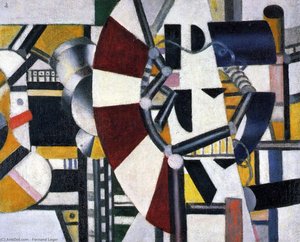
Fernand Léger’s Mural: A Symphony of Form and Movement
Fernand Léger's "Mural," completed in 1951, stands as an arresting embodiment of Cubist principles interwoven with a palpable fascination for the burgeoning machine age. Born Joseph Fernand Henri Léger in Argentan, Normandy, in 1881, Léger’s formative years amidst rural landscapes instilled a grounding appreciation for physicality that would later inform his groundbreaking artistic explorations. Rejecting the prevailing trend toward pure abstraction, Léger embarked on a daring endeavor to synthesize modernity – its relentless pace, its geometric precision – into a visual language simultaneously intellectually stimulating and emotionally resonant. This ambition propelled him from architectural studies towards painting in Paris around 1900, where he found patronage and collaborated with fellow avant-garde artists, establishing himself as a crucial voice within the Parisian artistic milieu.Cubist Foundations: Fragmented Perspectives
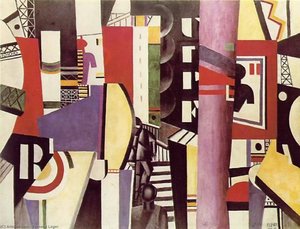
“Mural” exemplifies Léger’s unwavering commitment to Cubism's core tenets. Unlike Impressionists who sought to capture fleeting moments of light and color, Léger dissected subjects into fragmented planes—a technique pioneered by Picasso and Braque—presenting multiple viewpoints simultaneously. The resulting image isn’t a straightforward depiction but rather an orchestration of geometric shapes – cubes, cylinders, spheres – meticulously arranged to convey not just visual information but also the dynamism inherent in industrial processes. These forms overlap and intersect, creating a sense of instability and suggesting that reality itself is constantly shifting under scrutiny. Léger deliberately avoided smooth surfaces, favoring rough textures that mirrored the materiality of machines and reinforced the artwork’s connection to its historical context.The Palette of Industry: Color as Symbolic Gesture
Léger's color palette—primarily dominated by reds, yellows, and blues—is far from arbitrary; it serves as a deliberate symbolic gesture reflecting the industrial landscape of his time. Red signifies energy, passion, and perhaps even danger – mirroring the heat generated by factories and the urgency of technological advancement. Yellow embodies optimism and illumination, representing the promise of progress and highlighting Léger’s belief in the transformative power of innovation. Blues convey calmness and depth, hinting at the vastness of industrial spaces and subtly underscoring the artwork's contemplative quality despite its energetic composition. The careful selection of hues contributes significantly to the emotional impact of “Mural,” inviting viewers to contemplate both the beauty and complexity of the modern world.A Reflection of Postwar Anxiety
Created in 1951 shortly after World War II, "Mural" speaks to a broader cultural preoccupation with anxieties surrounding technological change and societal upheaval. Léger’s depiction of figures engaged in repetitive tasks—a motif recurring throughout his oeuvre—captures the pervasive sense of alienation experienced by many individuals during the postwar period. However, amidst this apprehension lies an undeniable affirmation of human creativity and resilience. The artwork's bold geometric forms and vibrant colors convey a defiant spirit, suggesting that despite facing daunting challenges, humanity can still find beauty and meaning in its surroundings. Léger’s vision transcends mere stylistic imitation; it embodies a profound engagement with the intellectual currents shaping the postwar era.Emotional Resonance: Capturing Movement and Rhythm
Ultimately, “Mural” succeeds in conveying an extraordinary emotional resonance—a palpable sense of movement and rhythm that draws viewers into its captivating visual universe. Léger’s masterful manipulation of perspective and texture creates a dynamic interplay between form and space, mirroring the ceaseless activity of industrial life. The artwork compels contemplation, prompting us to consider not only what we see but also how it feels. It's a testament to Léger’s ability to transform abstract concepts into emotionally charged images—a feat that continues to inspire artists and collectors alike. “Mural” remains an unforgettable masterpiece, securing its place as one of Fernand Léger’s most enduring achievements.Opere correlate


Biografia dell'artista
vitae e formazione
Fernand Léger, pittore, scultore e filmmaker francese, nacque il 4 febbraio 1881 ad Argentan, Orne, nella bassa Normandia. Suo padre allevava bovini e Léger iniziò la sua formazione come architetto nel 1897-1899. Successivamente si trasferì a Parigi nel 1900, sostenendosi con il lavoro di disegnatore architettonico.sviluppo artistico
Le prime opere di Léger furono influenzate dall'impressionismo, come visto in Le jardin de ma mère (Il giardino di mia madre) (1905). Dopo aver frequentato la scuola d'arte decorativa e l'Académie Julian, iniziò a lavorare seriamente come pittore a 25 anni. Il suo stile si evolse in una forma personale di cubismo, che i critici definirono "tubismo" per la sua enfasi su forme cilindriche.Cubismo e il gruppo dei Puteaux
Nel 1910, Léger espose al Salon d'automne insieme a Jean Metzinger e Henri Le Fauconnier. Entrò nel gruppo dei Puteaux, noto anche come la sezione d'or (la sezione aurea), insieme ad altri artisti come Francis Picabia e Marcel Duchamp.Guerra e la sua influenza sull'opera di Léger
Le esperienze di Léger nella Prima Guerra Mondiale ebbero un impatto significativo sulla sua opera. Durante il suo tempo al fronte, produsse schizzi di pezzi d'artiglieria, aerei e soldati. Il suo dipinto Soldier with a Pipe (1916) riflette questo periodo.Lavoro successivo e eredità
Il lavoro post-bellico di Léger, caratterizzato da forme meccaniche lisce, lo legò alla tradizione della pittura figurativa francese. I suoi paesaggi animati del 1921 mostrarono figure e animali in forme armoniose e razionalizzate.- visualizza le opere di Fernand Léger su AllPaintingsStore
- altro sul Fernand Léger su Wikipedia
- scopri il Musée National Fernand Légère (Francia) con AllPaintingsStore
- La donna seduta (100 x 81 cm, tubismo)
- Elemento macchina (cubismo)
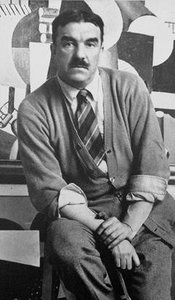
Fernand Léger
1881 - 1955 , Francia
Informazioni rapide
- Artisti Influenti:
- Cézanne
- Impressionismo
- Artisti Influenzati: ['Pop Art']
- Data Di Nascita: 4 febbraio 1881
- Luogo Di Nascita: Argentan, Francia
- Movimento Artistico: Cubismo, Tubismo
- Nazionalità: Francese
- Nome Completo: Fernand Léger
- Opere Notevoli:
- La Grande Parata
- L'Elemento Macchina
- Donna Seduta
- The City
Articoli correlati

The Energetic Canvas: Exploring Dynamic Composition in Art History & Contemporary Practice
Explore the history of dynamic composition in art, from Renaissance chiaroscuro to modern asymmetry. Learn how masterful artists used balance & symmetry – and what collectors should look for.

The Eloquence of Arrangement: Compositional Strategies in Western Art from the Renaissance to Modernism
Explore the evolution of compositional strategies in Western art! Discover how masters like Raphael & Zurbaran used perspective, proportion, and dynamic arrangement to create timeless masterpieces. Enhance your art appreciation today!

The Embodiment of Motion: Dynamic Composition & Energetic Expression in Art History
Explore the evolution of dynamic composition in art history – from chiaroscuro masters to abstract expressionism. Discover how artists like Kandinsky & Pollock embodied energy and movement on canvas. Expert insights for discerning collectors.

Crimson Threads of Narrative: Exploring Symbolism & Representation in Artworks Featuring the Red Dress
Explore the rich symbolism of the red dress in art history! From ancient power displays to iconic portraits like Cézanne’s 'Madame Cezanne', discover the cultural and artistic significance behind this captivating color. Expert analysis & insights.
John Singer Sargent: I 25 Capolavori Immortali per Arredare con Stile
Esplora i 25 capolavori di John Singer Sargent, pittore americano simbolo dell'Impressionismo e del Gilded Age. Ritratti iconici, acquerelli luminosi e storie affascinanti. Trova la tua opera d'arte ideale su AllPaintingsStore.com!