


 Anteprima in scala reale
 Invia
Invia Condividi
 Dettagli opera
 Guida
Guida

 Scarica
 Simili
 Radiografia
 Slideshow
 Q&A
Q&A Statistiche
Rooftops
 Acrylic
- WallArt
- Geometric Abstraction
 1912
1912 42.0 x 32.0 cm
 Espandi i dettagli
Giclée / Stampe d'arte
Stampa giclée o su tela di qualità museale, con produzione rapida e diverse opzioni di finitura. ( Acquista il dipinto realizzato a mano Passa all'immagine digitale)




P118B €10

P118H €10

P118W €10

P438Z €10

P508JH €12

P508YH €12

P805H €10

P805Z €10

P919BZ €10

P919G €10

P919XJ €10

P959ZH €10

P968JZ €12

W106C €8

W218G €10

W218JH €8

W218Y €10

W307PJ €10

W316G €10

W316PJ €8

W316Y €10

W398PJ €8

W4111J €10

W500HY €15

W500JH €15

W692G €12

W849H €8

W940BG €15

W953PJ €8




Scegli tra le nostre dimensioni predefinite, che rispettano le proporzioni originali dell'opera d'arte.

Inserisci la larghezza e l'altezza desiderate, per adattarle alla tua cornice o alla tua parete. Una stampa può essere solo ritagliata, mai resa più grande dell'immagine originale; pertanto, un formato con una forma differente comporterà la perdita di una parte dell'opera. Ti invieremo un mockup digitale da approvare prima di procedere con la stampa. L'immagine mostrata in questa pagina non rappresenta il ritaglio reale — solo il mockup lo mostra.
Consegna in tutto il mondo () in 2 settimane invece delle normali 4/5 settimane. (30 Ottobre)

Spedizione espressa gratuita in tutto il mondo

Tela in lino di alta qualità

Assicurazione completa sulla spedizione

Garanzia di rimborso dei dazi doganali

Garanzia di fedeltà cromatica assoluta

Politica di reso entro 100 giorni (solo per difetti di fabbricazione)

Garanzia di rimborso al 100%

Offerta per acquisti multipli
 L'opzione vetro è disponibile solo per dimensioni inferiori a 110 cm

Rooftops
Giclée / Stampe d'arte
Dimensioni riproduzione
-


Prezzo finale calcolato
€ 56
A Symphony of Steel and Stone: Exploring Fernand Léger’s Rooftops
Fernand Léger's "Rooftops," painted in 1912, isn’t merely a depiction of urban architecture; it’s an ambitious declaration of artistic intent—a bold experiment in translating the burgeoning anxieties and exhilarations of the early twentieth century onto canvas. Created during a period marked by rapid industrialization and technological advancement, Léger's watercolor captures a cityscape brimming with energy, reflecting the pervasive influence of machine aesthetics on artistic sensibilities. The painting’s subject matter – rooftops viewed from above – is deceptively simple, yet it serves as a springboard for profound explorations into form, color, and the artist’s relationship to his environment.- Subject Matter: Léger eschews traditional landscapes in favor of an urban panorama, prioritizing geometric abstraction over representational accuracy. The rooftops themselves are rendered with meticulous attention to detail—their varied textures and angles conveying a palpable sense of solidity and permanence against the backdrop of movement.
- Style & Technique: Léger’s distinctive style is characterized by “Constructivism,” an artistic movement that championed geometric abstraction as a means of expressing social ideals. He employs bold, angular brushstrokes—primarily in shades of gray and ochre—to build up layered planes of color, creating a visual rhythm reminiscent of industrial machinery. The watercolor medium lends itself beautifully to capturing the subtle nuances of light and shadow, enhancing the painting’s textural richness.
Domande e risposte
Quale tonalità dominante caratterizza "Rooftops" di Fernand Léger?
"Rooftops" tende verso una tonalità Ochre to Sepia.
Quanto è marcato il contrasto in "Rooftops" di Fernand Léger?
Il contrasto chiaroscurale di "Rooftops" è registrato come Serene. Il contrasto descrive quanto marcata sia la differenza tra le aree chiare e quelle scure.
Quale tecnica è stata utilizzata per "Rooftops" e in che anno è stata realizzata?
"Rooftops" è stata realizzata nel 1912 con la tecnica Acrylic.
Opere simili


Biografia dell'artista
vitae e formazione
Fernand Léger, pittore, scultore e filmmaker francese, nacque il 4 febbraio 1881 ad Argentan, Orne, nella bassa Normandia. Suo padre allevava bovini e Léger iniziò la sua formazione come architetto nel 1897-1899. Successivamente si trasferì a Parigi nel 1900, sostenendosi con il lavoro di disegnatore architettonico.sviluppo artistico
Le prime opere di Léger furono influenzate dall'impressionismo, come visto in Le jardin de ma mère (Il giardino di mia madre) (1905). Dopo aver frequentato la scuola d'arte decorativa e l'Académie Julian, iniziò a lavorare seriamente come pittore a 25 anni. Il suo stile si evolse in una forma personale di cubismo, che i critici definirono "tubismo" per la sua enfasi su forme cilindriche.Cubismo e il gruppo dei Puteaux
Nel 1910, Léger espose al Salon d'automne insieme a Jean Metzinger e Henri Le Fauconnier. Entrò nel gruppo dei Puteaux, noto anche come la sezione d'or (la sezione aurea), insieme ad altri artisti come Francis Picabia e Marcel Duchamp.Guerra e la sua influenza sull'opera di Léger
Le esperienze di Léger nella Prima Guerra Mondiale ebbero un impatto significativo sulla sua opera. Durante il suo tempo al fronte, produsse schizzi di pezzi d'artiglieria, aerei e soldati. Il suo dipinto Soldier with a Pipe (1916) riflette questo periodo.Lavoro successivo e eredità
Il lavoro post-bellico di Léger, caratterizzato da forme meccaniche lisce, lo legò alla tradizione della pittura figurativa francese. I suoi paesaggi animati del 1921 mostrarono figure e animali in forme armoniose e razionalizzate.- visualizza le opere di Fernand Léger su AllPaintingsStore
- altro sul Fernand Léger su Wikipedia
- scopri il Musée National Fernand Légère (Francia) con AllPaintingsStore
- La donna seduta (100 x 81 cm, tubismo)
- Elemento macchina (cubismo)
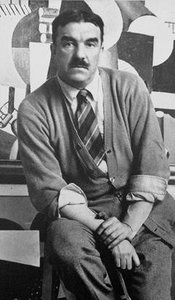
Fernand Léger
1881 - 1955 , Francia
Dettagli rapidi
- Artisti Influenti:
- Cézanne
- Impressionismo
- Artisti Influenzati: ['Pop Art']
- Data Di Nascita: 4 febbraio 1881
- Luogo Di Nascita: Argentan, Francia
- Movimento Artistico: Cubismo, Tubismo
- Nazionalità: Francese
- Nome Completo: Fernand Léger
- Opere Notevoli:
- La Grande Parata
- L'Elemento Macchina
- Donna Seduta
- The City
Articoli correlati

Astrazione Geometrica: 10 Capolavori che Hanno Definito un Movimento Artistico
Esplora i 10 capolavori dell'Astrazione Geometrica: Mondrian, Malevich e Kandinsky rivoluzionano l'arte moderna. Scopri la storia, i colori e le tecniche di questi movimenti iconici. Stampe d'arte di alta qualità su AllPaintingsStore.com!

I 10 Capolavori dell'Acquerello che Hanno Rivoluzionato l'Arte | AllPaintingsStore
Esplora i 10 capolavori dell'acquerello che hanno cambiato la storia dell'arte! Da Turner a Monet, scopri le storie e le tecniche di questi artisti iconici. Trova riproduzioni di alta qualità e idee per decorare casa con AllPaintingsStore.com.
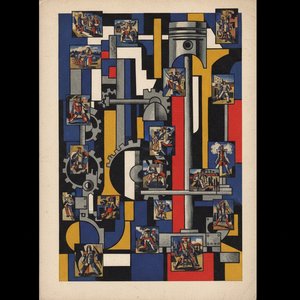
Fernand Léger: I 25 Capolavori che Hanno Definito l'Arte Moderna | AllPaintingsStore
Esplora i 25 capolavori di Fernand Léger, pioniere del cubismo e del tubismo. Scopri la storia, le tecniche e l'impatto dell'arte moderna francese. Stampe d'arte e riproduzioni su AllPaintingsStore.com.

L'Anima dell'Acquerello: Storia, Tecnica e l'Essenza della Luce
Scopri la maestria dell'acquerello tra storia e tecnica, dai maestri del Rinascimento a Paul Klee. Esplora l'essenza della luce con noi.

Ephemeral Visions: Exploring the Artistic Legacy & Contemporary Practice of Watercolor Painting
Explore the captivating world of watercolor painting! Discover its rich history, essential techniques, influential artists & collecting tips. A comprehensive guide for art enthusiasts from AllPaintingsStore.


