


 Anteprima in scala reale
 Condividi
 Condividi
 Dettagli

 Scarica immagine
 Articoli simili
 Radiografia
 Slideshow
Stalingrad


 Leggi tutto
Giclée / Stampe d'arte
Stampa giclée o su tela di qualità museale, con produzione rapida e diverse opzioni di finitura. ( Ordina la riproduzione dipinta a mano Acquista download)




P118B $10

P118H $10

P118W $10

P438Z $10

P508JH $12

P508YH $12

P805H $10

P805Z $10

P919BZ $10

P919G $10

P919XJ $10

P959ZH $10

P968JZ $12

W106C $8

W218G $10

W218JH $8

W218Y $10

W307PJ $10

W316G $10

W316PJ $8

W316Y $10

W398PJ $8

W4111J $10

W500HY $15

W500JH $15

W692G $12

W849H $8

W940BG $15

W953PJ $8




Scegli tra le nostre dimensioni predefinite, che rispettano le proporzioni originali dell'opera d'arte.

È possibile inserire dimensioni personalizzate per adattare l'opera a una cornice o a uno spazio specifico. Se la dimensione selezionata non corrisponde alle proporzioni dell'immagine originale, procederemo al ritaglio dell'opera o all'estensione dell'immagine con un bordo specchiato o a tinta unita. Un mockup digitale ti verrà inviato per approvazione prima dell'inizio della produzione.
Si prega di notare che l'anteprima a schermo non riflette il ritaglio o l'estensione effettivi. Solo il mockup mostrerà accuratamente la composizione finale.
Sebbene siano disponibili dimensioni personalizzate, si raccomanda di selezionare una dimensione dall'elenco predefinito per preservare le proporzioni originali.
Consegna in tutto il mondo () in 2 settimane invece delle normali 4/5 settimane. (22 Agosto)

Spedizione espressa gratuita in tutto il mondo

Tela in lino di alta qualità

Assicurazione completa sulla spedizione

Garanzia di rimborso dei dazi doganali

Garanzia di fedeltà cromatica dell'originale

Politica di reso entro 60 giorni (solo per difetti di fabbricazione)

Garanzia di rimborso al 100%

Sconto per acquisti multipli
 L'opzione vetro è disponibile solo per dimensioni inferiori a 110 cm

Stalingrad
Giclée / Stampe d'arte
Dimensioni della riproduzione
-


Prezzo totale
$ 64
Descrizione del pezzo
A Vision of Mechanized Conflict: The Soul of Stalingrad
In the vast landscape of twentieth-century modernism, few works capture the intersection of human tragedy and industrial power as viscerally as Fernand Léger’s Stalingrad. Created in 1954, this masterpiece transcends a mere historical chronicle of one of World War II's most devastating sieges; it serves as a profound meditation on the collision between man and machine. To gaze upon this canvas is to enter a world where the boundaries between organic life and mechanical force blur, creating an experience that is not merely seen through the eyes, but felt within the chest. Léger invites the viewer into a space where the echoes of battle are rendered through a language of pure, unadulterated form.
The artwork stands as a striking embodiment of Naïve Art, a movement that deliberately rejected the polished academic conventions of the past in favor of direct observation and raw emotional honesty. Rather than seeking to replicate the photographic reality of the Soviet battlefield, Léger utilizes a simplified visual vocabulary. He employs bold, decisive lines and flattened planes that strip away the illusion of depth, forcing the viewer to confront the essential geometry of conflict. This technique, heavily influenced by his fascination with industrial aesthetics, transforms the chaos of war into a structured, rhythmic composition of circles, squares, and triangles.
The Rhythm of the Machine Age
Léger’s technical mastery lies in his ability to imbue static shapes with an incredible sense of dynamism. By avoiding traditional shading and the subtle blending of colors, he relies instead on a vibrant palette of primary hues to drive the narrative forward. This lack of chiaroscuro creates a high-contrast environment where every element—from the jagged fragments of destroyed architecture to the silhouettes of advancing vehicles—pops with an urgent, electric energy. The artist’s signature linear style mirrors the relentless, grinding pace of mechanized warfare, where the movement of tanks and the trajectory of artillery become part of a larger, unstoppable mechanical dance.
This aesthetic choice serves a deeper symbolic purpose. In Stalingrad, the machine is not merely a tool of destruction but a central protagonist. Léger explores the complex relationship between humanity and technology, questioning whether the advancements of the industrial age have become inseparable from our capacity for violence. The geometric precision of the vehicles and weaponry contrasts sharply with the desperate human struggle, creating a tension that is both intellectually stimulating and emotionally harrowing. For the collector or designer, this piece offers a sophisticated dialogue between the structured beauty of abstraction and the profound weight of historical memory.
A Legacy of Resilience and Form
To understand the impact of this work, one must consider the historical gravity of its subject. The Siege of Stalingrad was a period of unimaginable hardship, characterized by starvation, bombardment, and an iron will to endure. Léger captures this atmosphere of desperation and determination with remarkable acuity. Amidst the debris of a shattered city, he portrays a landscape where the remnants of civilization are being reshaped by the forces of modern combat. The painting does not offer a literal or sanitized representation; instead, it offers a psychological portrait of a world in flux.
For those seeking to adorn a space with art that commands attention and provokes thought, Stalingrad is an incomparable choice. It brings a sense of historical depth and avant-garde strength to any interior, acting as a focal point that bridges the gap between mid-century modernism and contemporary emotional expression. Owning a high-quality reproduction of this work means possessing a fragment of art history—a piece that celebrates the resilience of the human spirit even when caught within the gears of an indifferent, mechanical age.
Opere correlate


Biografia dell'artista
vitae e formazione
Fernand Léger, pittore, scultore e filmmaker francese, nacque il 4 febbraio 1881 ad Argentan, Orne, nella bassa Normandia. Suo padre allevava bovini e Léger iniziò la sua formazione come architetto nel 1897-1899. Successivamente si trasferì a Parigi nel 1900, sostenendosi con il lavoro di disegnatore architettonico.sviluppo artistico
Le prime opere di Léger furono influenzate dall'impressionismo, come visto in Le jardin de ma mère (Il giardino di mia madre) (1905). Dopo aver frequentato la scuola d'arte decorativa e l'Académie Julian, iniziò a lavorare seriamente come pittore a 25 anni. Il suo stile si evolse in una forma personale di cubismo, che i critici definirono "tubismo" per la sua enfasi su forme cilindriche.Cubismo e il gruppo dei Puteaux
Nel 1910, Léger espose al Salon d'automne insieme a Jean Metzinger e Henri Le Fauconnier. Entrò nel gruppo dei Puteaux, noto anche come la sezione d'or (la sezione aurea), insieme ad altri artisti come Francis Picabia e Marcel Duchamp.Guerra e la sua influenza sull'opera di Léger
Le esperienze di Léger nella Prima Guerra Mondiale ebbero un impatto significativo sulla sua opera. Durante il suo tempo al fronte, produsse schizzi di pezzi d'artiglieria, aerei e soldati. Il suo dipinto Soldier with a Pipe (1916) riflette questo periodo.Lavoro successivo e eredità
Il lavoro post-bellico di Léger, caratterizzato da forme meccaniche lisce, lo legò alla tradizione della pittura figurativa francese. I suoi paesaggi animati del 1921 mostrarono figure e animali in forme armoniose e razionalizzate.- visualizza le opere di Fernand Léger su AllPaintingsStore
- altro sul Fernand Léger su Wikipedia
- scopri il Musée National Fernand Légère (Francia) con AllPaintingsStore
- La donna seduta (100 x 81 cm, tubismo)
- Elemento macchina (cubismo)
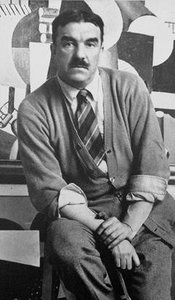
Fernand Léger
1881 - 1955 , Francia
Informazioni rapide
- Artisti Influenti:
- Cézanne
- Impressionismo
- Artisti Influenzati: ['Pop Art']
- Data Di Nascita: 4 febbraio 1881
- Luogo Di Nascita: Argentan, Francia
- Movimento Artistico: Cubismo, Tubismo
- Nazionalità: Francese
- Nome Completo: Fernand Léger
- Opere Notevoli:
- La Grande Parata
- L'Elemento Macchina
- Donna Seduta
- The City
Articoli correlati

Modern Geometry & Machine Age Beauty: A Collector's Guide to the Cubist Vision of Fernand Léger
Explore the profound geometric mastery of Fernand Léger. Discover how his 'Tubism' and Machine Age aesthetics redefined modern art, offering timeless inspiration for discerning collectors seeking to integrate Cubist dynamism into sophisticated contemporary interiors.

The Essence of Naïve Art: A Professional Guide to Unfiltered Creativity and Aesthetic Sincerity
Explore the profound beauty of Naïve Art. Discover its unique characteristics, historical significance, and how this unfiltered, sincere aesthetic can elevate professional interior design through high-quality, hand-painted reproductions.


