


 Anteprima in scala reale
 Condividi
 Condividi
 Dettagli
 Guida stampabile

 Scarica
 Articoli simili
 Radiografia
 Slideshow
 Statistiche
Study for Cinematic Mural, Study I


 Leggi tutto
Giclée / Stampe d'arte
Stampa giclée o su tela di qualità museale, con produzione rapida e diverse opzioni di finitura. ( Ordina la riproduzione dipinta a mano Passa all'immagine digitale)




P118B $10

P118H $10

P118W $10

P438Z $10

P508JH $12

P508YH $12

P805H $10

P805Z $10

P919BZ $10

P919G $10

P919XJ $10

P959ZH $10

P968JZ $12

W106C $8

W218G $10

W218JH $8

W218Y $10

W307PJ $10

W316G $10

W316PJ $8

W316Y $10

W398PJ $8

W4111J $10

W500HY $15

W500JH $15

W692G $12

W849H $8

W940BG $15

W953PJ $8




Scegli tra le nostre dimensioni predefinite, che rispettano le proporzioni originali dell'opera d'arte.

È possibile inserire dimensioni personalizzate per adattare l'opera a una cornice o a uno spazio specifico. Se la dimensione selezionata non corrisponde alle proporzioni dell'immagine originale, procederemo al ritaglio dell'opera o all'estensione dell'immagine con un bordo specchiato o a tinta unita. Un mockup digitale ti verrà inviato per approvazione prima dell'inizio della produzione.
Si prega di notare che l'anteprima a schermo non riflette il ritaglio o l'estensione effettivi. Solo il mockup mostrerà accuratamente la composizione finale.
Sebbene siano disponibili dimensioni personalizzate, si raccomanda di selezionare una dimensione dall'elenco predefinito per preservare le proporzioni originali.
Consegna in tutto il mondo () in 2 settimane invece delle normali 4/5 settimane. (26 Settembre)

Spedizione espressa gratuita in tutto il mondo

Tela in lino di alta qualità

Assicurazione completa sulla spedizione

Garanzia di rimborso dei dazi doganali

Garanzia di perfetta fedeltà cromatica

Politica di reso entro 100 giorni (solo per difetti di fabbricazione)

Garanzia di rimborso al 100%

Sconto per acquisti multipli
 L'opzione vetro è disponibile solo per dimensioni inferiori a 110 cm

Study for Cinematic Mural, Study I
Giclée / Stampe d'arte
Dimensioni della riproduzione
-


Prezzo totale
$ 64
A Symphony of Form and Light: Exploring Fernand Léger’s Study for Cinematic Mural
In the heart of the late 1930s, as the world stood on the precipice of profound global transformation, Fernand Léger captured the pulse of a changing era in his Study for Cinematic Mural, Study I. Painted between 1938 and 1939, this evocative work is far more than a mere preparatory sketch; it is an orchestrated tableau that breathes with the dynamism of the machine age. Through a masterful use of gouache and pencil on board, Léger invites us into a meticulously constructed urban landscape where the boundaries between human aspiration and industrial precision begin to blur. The piece serves as a window into a moment in history when the roar of engines and the geometric rhythm of growing cities were redefining the very essence of modern existence.
The composition is anchored by a monumental, almost mythic presence: a statue of a woman wielding a torch. This central figure acts as a beacon of enlightenment amidst the structured chaos of the cityscape, her silhouette standing as a symbol of hope and guidance through the complexities of a technological future. Surrounding this icon, the landscape unfolds in a rhythmic dance of geometric shapes—rectangles, squares, and triangles that echo the repetitive, powerful patterns found in factories and urban planning. Léger’s unique Constructivist approach allows these forms to exist as both architectural elements and abstract symbols, creating a visual language that feels simultaneously grounded in reality and elevated by imagination.
The Artistry of the Machine Age: Technique and Texture
To behold this study is to witness Léger’s profound command over medium and movement. By employing gouache, a pigment celebrated for its rich opacity and smooth blending capabilities, the artist achieves a striking textural depth. This fluidity is brilliantly contrasted by the sharp, precise pencil lines that define the structural integrity of the buildings and vehicles. This duality in technique mirrors the subject matter itself: the tension between the organic flow of human life and the rigid, unyielding nature of industrial production. The way light interacts with the flattened planes creates a sense of depth without relying on traditional illusionism, offering a modern perspective that feels strikingly contemporary even decades after its creation.
The bustling energy of the scene is further animated by the inclusion of various mechanical elements—cars, trucks, and trains—that weave through the urban fabric. These details are not merely decorative; they are the lifeblood of the composition, representing the relentless momentum of progress. For the discerning collector or interior designer, this artwork offers a sophisticated balance of structural clarity and vibrant energy. It is a piece that commands attention through its bold geometry while providing a contemplative space for reflecting on the intersection of humanity and technology.
A Timeless Vision for Modern Interiors
For those seeking to infuse a space with intellectual depth and historical significance, Léger’s study offers unparalleled inspiration. Its palette and composition possess a versatile elegance that complements both minimalist modern settings and more eclectic, curated environments. The artwork does not merely decorate a wall; it initiates a dialogue about the beauty found in order, the strength found in industry, and the enduring light of human progress. Owning a high-quality reproduction of this masterpiece allows one to bring the transformative spirit of the Parisian avant-garde into the home, serving as a permanent tribute to an era that dared to reimagine the world through the lens of form, function, and light.
Opere correlate


Biografia dell'artista
vitae e formazione
Fernand Léger, pittore, scultore e filmmaker francese, nacque il 4 febbraio 1881 ad Argentan, Orne, nella bassa Normandia. Suo padre allevava bovini e Léger iniziò la sua formazione come architetto nel 1897-1899. Successivamente si trasferì a Parigi nel 1900, sostenendosi con il lavoro di disegnatore architettonico.sviluppo artistico
Le prime opere di Léger furono influenzate dall'impressionismo, come visto in Le jardin de ma mère (Il giardino di mia madre) (1905). Dopo aver frequentato la scuola d'arte decorativa e l'Académie Julian, iniziò a lavorare seriamente come pittore a 25 anni. Il suo stile si evolse in una forma personale di cubismo, che i critici definirono "tubismo" per la sua enfasi su forme cilindriche.Cubismo e il gruppo dei Puteaux
Nel 1910, Léger espose al Salon d'automne insieme a Jean Metzinger e Henri Le Fauconnier. Entrò nel gruppo dei Puteaux, noto anche come la sezione d'or (la sezione aurea), insieme ad altri artisti come Francis Picabia e Marcel Duchamp.Guerra e la sua influenza sull'opera di Léger
Le esperienze di Léger nella Prima Guerra Mondiale ebbero un impatto significativo sulla sua opera. Durante il suo tempo al fronte, produsse schizzi di pezzi d'artiglieria, aerei e soldati. Il suo dipinto Soldier with a Pipe (1916) riflette questo periodo.Lavoro successivo e eredità
Il lavoro post-bellico di Léger, caratterizzato da forme meccaniche lisce, lo legò alla tradizione della pittura figurativa francese. I suoi paesaggi animati del 1921 mostrarono figure e animali in forme armoniose e razionalizzate.- visualizza le opere di Fernand Léger su AllPaintingsStore
- altro sul Fernand Léger su Wikipedia
- scopri il Musée National Fernand Légère (Francia) con AllPaintingsStore
- La donna seduta (100 x 81 cm, tubismo)
- Elemento macchina (cubismo)
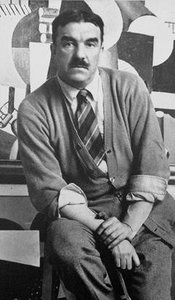
Fernand Léger
1881 - 1955 , Francia
Informazioni rapide
- Artisti Influenti:
- Cézanne
- Impressionismo
- Artisti Influenzati: ['Pop Art']
- Data Di Nascita: 4 febbraio 1881
- Luogo Di Nascita: Argentan, Francia
- Movimento Artistico: Cubismo, Tubismo
- Nazionalità: Francese
- Nome Completo: Fernand Léger
- Opere Notevoli:
- La Grande Parata
- L'Elemento Macchina
- Donna Seduta
- The City
Articoli correlati

Contemporary Abstract Art: A Professional Buyer's Guide to Large-Scale Modern Decor for Hospitality and Corporate Interiors
A professional procurement guide for hotel designers and architects. Discover how to integrate large-scale contemporary abstract art into hospitality projects through high-volume, custom-sized oil reproductions, multi-panel layouts, and reliable global logistics.

Modern Geometry & Machine Age Beauty: A Collector's Guide to the Cubist Vision of Fernand Léger
Explore the profound geometric mastery of Fernand Léger. Discover how his 'Tubism' and Machine Age aesthetics redefined modern art, offering timeless inspiration for discerning collectors seeking to integrate Cubist dynamism into sophisticated contemporary interiors.


