- Home

- Stampa su tela
- Fernand Léger
- Study for the Circus

 Preview
 Invia
Invia Condividi
 Dettagli opera

 Scarica
 Simili
 Radiografia
 Slideshow
Study for the Circus
 Acrylic
- WallArt
- Primitive Geometric Abstraction
 1949
1949 50.0 x 32.0 cm
 Scopri di più
Giclée / Stampa d'arte
Stampa giclée o su tela di qualità museale, con produzione rapida e diverse opzioni di finitura. ( Switch to hand made Painting Switch to Image)




P118B $10

P118H $10

P118W $10

P438Z $10

P508JH $12

P508YH $12

P805H $10

P805Z $10

P919BZ $10

P919G $10

P919XJ $10

P959ZH $10

P968JZ $12

W106C $8

W218G $10

W218JH $8

W218Y $10

W307PJ $10

W316G $10

W316PJ $8

W316Y $10

W398PJ $8

W4111J $10

W500HY $15

W500JH $15

W692G $12

W849H $8

W940BG $15

W953PJ $8




Scegli tra le nostre dimensioni predefinite, che rispettano le proporzioni originali dell'opera d'arte.

È possibile inserire dimensioni personalizzate per adattare l'opera a una cornice o a uno spazio specifico. Se la dimensione selezionata non corrisponde alle proporzioni dell'immagine originale, procederemo al ritaglio dell'opera o all'estensione dell'immagine con un bordo specchiato o a tinta unita. Un mockup digitale ti verrà inviato per approvazione prima dell'inizio della produzione.
Si prega di notare che l'anteprima a schermo non riflette il ritaglio o l'estensione effettivi. Solo il mockup mostrerà accuratamente la composizione finale.
Sebbene siano disponibili dimensioni personalizzate, si raccomanda di selezionare una dimensione dall'elenco predefinito per preservare le proporzioni originali.
Consegna in tutto il mondo () in 2 settimane invece delle normali 4/5 settimane. (28 Luglio)

Spedizione espressa gratuita in tutto il mondo

Tela in lino di alta qualità

Assicurazione completa sulla spedizione

Garanzia di rimborso dei dazi doganali

Garanzia di fedeltà cromatica

Politica di reso entro 60 giorni (solo per difetti)

Garanzia di rimborso al 100%

Sconto per acquisti multipli
 L'opzione vetro è disponibile solo per dimensioni inferiori a 110 cm

Study for the Circus
Giclée / Stampa d'arte
Dimensioni riproduzione
-


Prezzo totale finale
$ 64
Descrizione dell'opera
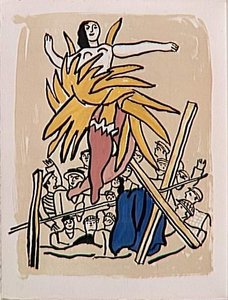
A Study in Rhythm and Rustic Echoes: Exploring Fernand Léger’s “Study for the Circus”
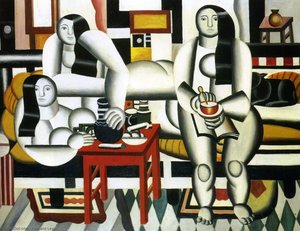
Fernand Léger's "Study for the Circus," painted in 1949, isn’t merely a depiction of figures; it’s an embodiment of Léger’s singular artistic philosophy – a fusion of geometric abstraction and observation of everyday life. This unassuming canvas, measuring 50 x 32 cm, holds within its monochrome palette a profound resonance with the burgeoning spirit of post-war Europe and Léger's unwavering fascination with the influence of industrial machinery on human experience.The Naive Art Aesthetic: Embracing Primitive Simplicity
The painting’s stylistic approach aligns powerfully with the tenets of naive art or primitivism, movements that championed unfiltered emotion and direct representation divorced from academic conventions. Unlike Impressionists striving to capture fleeting moments of light and color, Léger deliberately eschewed subtlety in favor of bold shapes and simplified forms—a conscious decision to reject the complexities of Western artistic tradition. This stylistic choice isn’t accidental; it reflects Léger's deep connection to Cézanne and Picasso, artists who similarly sought to distill visual experience into its essential elements. The resulting image possesses a captivating immediacy, inviting viewers to contemplate the human figure not as idealized beauty but as active participant in a dynamic environment.Geometric Forms and Industrial Influence: Decoding Léger’s Visual Language
Léger's technique is characterized by a deliberate flattening of perspective—a hallmark of geometric abstraction—where figures appear to exist on a single plane, emphasizing their structural integrity. The repetition of angular shapes – circles, squares, rectangles – dominates the composition, mirroring the rhythmic patterns found in industrial landscapes and machinery. These forms aren’t merely decorative; they symbolize Léger's belief that human beings are fundamentally shaped by the forces of technology and urbanization. Consider the positioning of the figures: some stand upright, conveying stability and resilience, while others lie down, suggesting vulnerability and repose—a subtle interplay of opposing energies mirroring the tensions inherent in modern life.Historical Context: Post-War Reflection and Artistic Rebellion
Painted shortly after World War II, “Study for the Circus” speaks to a broader cultural preoccupation with rebuilding society amidst the devastation of conflict. Léger’s rejection of traditional artistic styles represents an act of defiance against the perceived constraints of the past, asserting instead a vision of progress rooted in embracing new forms of expression. The circus itself served as a potent symbol during this period – representing spectacle, illusion, and escape from grim realities—themes that resonate deeply within Léger's artwork. It’s a piece that captures not just a visual scene but also the psychological landscape of an era grappling with trauma and striving for renewal.Emotional Resonance: A Quiet Assertion of Humanity
Despite its austere aesthetic, “Study for the Study for the Circus” exudes a palpable sense of energy and vitality. The monochrome palette amplifies the impact of the geometric forms, creating a visual experience that is both calming and stimulating simultaneously. More than just an image, it’s an invitation to contemplate the human condition—to recognize our inherent capacity for resilience and adaptability in the face of adversity. Léger's masterful simplification of form allows viewers to focus on the essence of human presence, conveying a quiet assertion of humanity amidst the pervasive influence of industrial civilization. This reproduction offers a beautiful opportunity to bring this seminal artwork into your home or studio—a testament to Léger’s enduring legacy as one of modern art’s most innovative voices.



Biografia dell'artista
vitae e formazione
Fernand Léger, pittore, scultore e filmmaker francese, nacque il 4 febbraio 1881 ad Argentan, Orne, nella bassa Normandia. Suo padre allevava bovini e Léger iniziò la sua formazione come architetto nel 1897-1899. Successivamente si trasferì a Parigi nel 1900, sostenendosi con il lavoro di disegnatore architettonico.sviluppo artistico
Le prime opere di Léger furono influenzate dall'impressionismo, come visto in Le jardin de ma mère (Il giardino di mia madre) (1905). Dopo aver frequentato la scuola d'arte decorativa e l'Académie Julian, iniziò a lavorare seriamente come pittore a 25 anni. Il suo stile si evolse in una forma personale di cubismo, che i critici definirono "tubismo" per la sua enfasi su forme cilindriche.Cubismo e il gruppo dei Puteaux
Nel 1910, Léger espose al Salon d'automne insieme a Jean Metzinger e Henri Le Fauconnier. Entrò nel gruppo dei Puteaux, noto anche come la sezione d'or (la sezione aurea), insieme ad altri artisti come Francis Picabia e Marcel Duchamp.Guerra e la sua influenza sull'opera di Léger
Le esperienze di Léger nella Prima Guerra Mondiale ebbero un impatto significativo sulla sua opera. Durante il suo tempo al fronte, produsse schizzi di pezzi d'artiglieria, aerei e soldati. Il suo dipinto Soldier with a Pipe (1916) riflette questo periodo.Lavoro successivo e eredità
Il lavoro post-bellico di Léger, caratterizzato da forme meccaniche lisce, lo legò alla tradizione della pittura figurativa francese. I suoi paesaggi animati del 1921 mostrarono figure e animali in forme armoniose e razionalizzate.- visualizza le opere di Fernand Léger su AllPaintingsStore
- altro sul Fernand Léger su Wikipedia
- scopri il Musée National Fernand Légère (Francia) con AllPaintingsStore
- La donna seduta (100 x 81 cm, tubismo)
- Elemento macchina (cubismo)
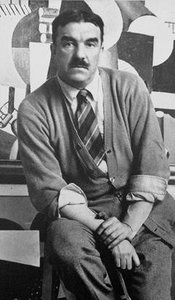
Fernand Léger
1881 - 1955 , Francia
Dati rapidi
- Artisti Influenti:
- Cézanne
- Impressionismo
- Artisti Influenzati: ['Pop Art']
- Data Di Nascita: 4 febbraio 1881
- Luogo Di Nascita: Argentan, Francia
- Movimento Artistico: Cubismo, Tubismo
- Nazionalità: Francese
- Nome Completo: Fernand Léger
- Opere Notevoli:
- La Grande Parata
- L'Elemento Macchina
- Donna Seduta
- The City
Articoli correlati

Édouard Manet: Rivoluzione Artistica e la Sfida al XIX Secolo
Esplora la rivoluzionaria arte di Édouard Manet e il suo impatto sul realismo e l'impressionismo. Analisi delle opere più iconiche, influenze artistiche e l'eredità duratura del maestro francese.

Camille Pissarro: Il Pioneere dell'Impressionismo e il Padre dell'Arte Moderna – Un’Eredità Esplorata
Esplora la vita e l'opera di Camille Pissarro, il 'padre dell'impressionismo'. Approfondimenti sulla sua tecnica, le influenze artistiche e l'eredità che ha lasciato all'arte moderna. Scopri perché è considerato un maestro rivoluzionario.

Beyond Form & Color: Geometric Abstraction's Evolution in 20th/21st Century Art
Explore the evolution of geometric abstraction from Cubism to contemporary art. Discover key artists like Malevich & Mondrian, investment insights, and expert collecting advice at AllPaintingsStore.

Astrazione Geometrica: 10 Capolavori che Hanno Definito un Movimento Artistico
Esplora i 10 capolavori dell'Astrazione Geometrica: Mondrian, Malevich e Kandinsky rivoluzionano l'arte moderna. Scopri la storia, i colori e le tecniche di questi movimenti iconici. Stampe d'arte di alta qualità su AllPaintingsStore.com!

Idyllic Visions: Exploring Pastoral Scenes in Art History – From Arcadia to Modern Interpretations
Explore the captivating history of pastoral art, from classical Arcadia to 19th-century masterpieces. Discover key artists like Millet & Cole and find serene landscape paintings for your home at AllPaintingsStore.