


 Anteprima in scala reale
 Condividi
 Condividi
 Dettagli
 Guida
Guida

 Scarica
 Articoli simili
 Radiografia
 Slideshow
 Statistiche
The polychrome Fleur


 Leggi tutto
Giclée / Stampe d'arte
Stampa giclée o su tela di qualità museale, con produzione rapida e diverse opzioni di finitura. ( Ordina la riproduzione dipinta a mano Passa all'immagine digitale)




P118B $10

P118H $10

P118W $10

P438Z $10

P508JH $12

P508YH $12

P805H $10

P805Z $10

P919BZ $10

P919G $10

P919XJ $10

P959ZH $10

P968JZ $12

W106C $8

W218G $10

W218JH $8

W218Y $10

W307PJ $10

W316G $10

W316PJ $8

W316Y $10

W398PJ $8

W4111J $10

W500HY $15

W500JH $15

W692G $12

W849H $8

W940BG $15

W953PJ $8




Scegli tra le nostre dimensioni predefinite, che rispettano le proporzioni originali dell'opera d'arte.

È possibile inserire dimensioni personalizzate per adattare l'opera a una cornice o a uno spazio specifico. Se la dimensione selezionata non corrisponde alle proporzioni dell'immagine originale, procederemo al ritaglio dell'opera o all'estensione dell'immagine con un bordo specchiato o a tinta unita. Un mockup digitale ti verrà inviato per approvazione prima dell'inizio della produzione.
Si prega di notare che l'anteprima a schermo non riflette il ritaglio o l'estensione effettivi. Solo il mockup mostrerà accuratamente la composizione finale.
Sebbene siano disponibili dimensioni personalizzate, si raccomanda di selezionare una dimensione dall'elenco predefinito per preservare le proporzioni originali.
Consegna in tutto il mondo () in 2 settimane invece delle normali 4/5 settimane. (24 Settembre)

Spedizione espressa gratuita in tutto il mondo

Tela in lino di alta qualità

Assicurazione completa sulla spedizione

Garanzia di rimborso dei dazi doganali

Garanzia di perfetta fedeltà cromatica

Politica di reso entro 100 giorni (solo per difetti di fabbricazione)

Garanzia di rimborso al 100%

Sconto per acquisti multipli
 L'opzione vetro è disponibile solo per dimensioni inferiori a 110 cm

The polychrome Fleur
Giclée / Stampe d'arte
Dimensioni della riproduzione
-


Prezzo totale
$ 64
A Symphony of Color and Form: The Vibrancy of Léger’s Vision
In the realm of modern abstraction, few works capture the rhythmic pulse of the twentieth century as evocatively as Fernand Léger's "The Polychrome Fleur." Painted in 1936, this masterpiece serves as a breathtaking cornerstone of the Orphism movement, a period where art sought to transcend mere representation through the pure, emotive power of color. To gaze upon this canvas is to enter a world where the boundaries between organic life and industrial dynamism dissolve into a singular, harmonious dance. The composition does not merely sit static upon the surface; rather, it unfolds with an energetic grace, inviting the viewer into a sensory experience that feels both deeply primal and strikingly modern.
The artwork is a masterful orchestration of bold, intersecting curvilinear shapes. Dominating the visual field are primary strikes of yellow, blue, and red—colors that vibrate against one another to create a sense of perpetual motion. Within this kaleidoscopic arrangement, Léger weaves unexpected motifs: a bright yellow bird, a sleek blue fish, and a striking red flower emerge from the geometric complexity. This interplay suggests an organic unfolding, as if the very essence of nature were being reassembled through a mechanical, yet poetic, lens. The inclusion of a mysterious, eye-like motif on the left side adds a layer of profound psychological depth, prompting us to contemplate not just what we see, but the very nature of perception and consciousness itself.
Technique and the Spirit of the Machine Age
Léger’s approach to "The Polychrome Fleur" is as innovative as the era it represents. Eschewing traditional brushwork for a more structural method, he employed a sophisticated collage-like technique, assembling fragments of painted canvas to construct an illusion of depth and tactile movement. This method was a brilliant reflection of the burgeoning industrial landscape of the 1930s; just as factories assembled complex machines from individual parts, Léger assembled his visual universe from distinct, rhythmic components. This "tubism" and structural approach allowed him to celebrate the beauty of the machine age—its precision, its strength, and its relentless energy—without losing the soulful connection to the natural world.
For the discerning collector or interior designer, this piece offers an unparalleled opportunity to introduce a sense of structured vitality into a space. The painting’s ability to balance heavy, geometric forms with light, airy colors makes it a versatile centerpiece. It possesses the rare capability to anchor a room with its bold presence while simultaneously uplifting the atmosphere with its bright, optimistic palette. Whether placed in a contemporary gallery setting or as a focal point in a sophisticated residential lounge, "The Polychrome Fleur" acts as a window into a period of immense cultural transformation.
A Legacy of Modernity and Emotion
To understand this work is to understand the journey of Fernand Léger himself. Born amidst the pastoral landscapes of Normandy, his early life was rooted in the rhythms of agriculture, yet his heart was captured by the metallic pulse of Paris. This tension between the rural past and the industrial future is precisely what gives "The Polychrome Fleur" its enduring emotional resonance. It is a work that reconciles the two: it uses the language of abstraction to honor the beauty of life's most fundamental forms.
Owning a high-quality reproduction of this masterpiece is more than an aesthetic choice; it is an embrace of art history’s most transformative era. The painting remains a testament to Léger’s belief that art should be as dynamic and multifaceted as modern life itself. It continues to inspire awe, challenging us to find the beauty in the intersection of the organic and the engineered, and reminding us that even in a world of complex machinery, there is always room for the blooming splendor of a polychrome flower.
Opere correlate


Biografia dell'artista
vitae e formazione
Fernand Léger, pittore, scultore e filmmaker francese, nacque il 4 febbraio 1881 ad Argentan, Orne, nella bassa Normandia. Suo padre allevava bovini e Léger iniziò la sua formazione come architetto nel 1897-1899. Successivamente si trasferì a Parigi nel 1900, sostenendosi con il lavoro di disegnatore architettonico.sviluppo artistico
Le prime opere di Léger furono influenzate dall'impressionismo, come visto in Le jardin de ma mère (Il giardino di mia madre) (1905). Dopo aver frequentato la scuola d'arte decorativa e l'Académie Julian, iniziò a lavorare seriamente come pittore a 25 anni. Il suo stile si evolse in una forma personale di cubismo, che i critici definirono "tubismo" per la sua enfasi su forme cilindriche.Cubismo e il gruppo dei Puteaux
Nel 1910, Léger espose al Salon d'automne insieme a Jean Metzinger e Henri Le Fauconnier. Entrò nel gruppo dei Puteaux, noto anche come la sezione d'or (la sezione aurea), insieme ad altri artisti come Francis Picabia e Marcel Duchamp.Guerra e la sua influenza sull'opera di Léger
Le esperienze di Léger nella Prima Guerra Mondiale ebbero un impatto significativo sulla sua opera. Durante il suo tempo al fronte, produsse schizzi di pezzi d'artiglieria, aerei e soldati. Il suo dipinto Soldier with a Pipe (1916) riflette questo periodo.Lavoro successivo e eredità
Il lavoro post-bellico di Léger, caratterizzato da forme meccaniche lisce, lo legò alla tradizione della pittura figurativa francese. I suoi paesaggi animati del 1921 mostrarono figure e animali in forme armoniose e razionalizzate.- visualizza le opere di Fernand Léger su AllPaintingsStore
- altro sul Fernand Léger su Wikipedia
- scopri il Musée National Fernand Légère (Francia) con AllPaintingsStore
- La donna seduta (100 x 81 cm, tubismo)
- Elemento macchina (cubismo)
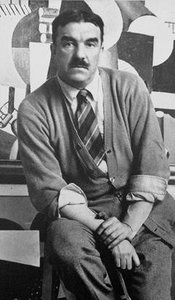
Fernand Léger
1881 - 1955 , Francia
Informazioni rapide
- Artisti Influenti:
- Cézanne
- Impressionismo
- Artisti Influenzati: ['Pop Art']
- Data Di Nascita: 4 febbraio 1881
- Luogo Di Nascita: Argentan, Francia
- Movimento Artistico: Cubismo, Tubismo
- Nazionalità: Francese
- Nome Completo: Fernand Léger
- Opere Notevoli:
- La Grande Parata
- L'Elemento Macchina
- Donna Seduta
- The City
Articoli correlati

AllPaintingsStore.com F.A.Q.: Elevate Your Decor with Premium Textured Giclée Prints
Discover the distinction of AllPaintingsStore.com premium textured Giclée prints. Expertly crafted with archival 12-color pigments and museum-grade substrates, our prints offer unparalleled vividness for the discerning collector seeking luxury, durability, and timeless elegance.


