


 Anteprima in scala reale
 Condividi
 Condividi
 Dettagli
 Guida stampabile

 Scarica
 Articoli simili
 Radiografia
 Slideshow
 Statistiche
The pool


 Leggi tutto
Giclée / Stampe d'arte
Stampa giclée o su tela di qualità museale, con produzione rapida e diverse opzioni di finitura. ( Ordina la riproduzione dipinta a mano Passa all'immagine digitale)




P118B €10

P118H €10

P118W €10

P438Z €10

P508JH €12

P508YH €12

P805H €10

P805Z €10

P919BZ €10

P919G €10

P919XJ €10

P959ZH €10

P968JZ €12

W106C €8

W218G €10

W218JH €8

W218Y €10

W307PJ €10

W316G €10

W316PJ €8

W316Y €10

W398PJ €8

W4111J €10

W500HY €15

W500JH €15

W692G €12

W849H €8

W940BG €15

W953PJ €8




Scegli tra le nostre dimensioni predefinite, che rispettano le proporzioni originali dell'opera d'arte.

Inserisci la larghezza e l'altezza desiderate, per adattarle alla tua cornice o alla tua parete. Una stampa può essere solo ritagliata, mai resa più grande dell'immagine originale; pertanto, un formato con una forma differente comporterà la perdita di una parte dell'opera. Ti invieremo un mockup digitale da approvare prima di procedere con la stampa. L'immagine mostrata in questa pagina non rappresenta il ritaglio reale — solo il mockup lo mostra.
Consegna in tutto il mondo () in 2 settimane invece delle normali 4/5 settimane. (23 Ottobre)

Spedizione espressa gratuita in tutto il mondo

Tela in lino di alta qualità

Assicurazione completa sulla spedizione

Garanzia di rimborso dei dazi doganali

Garanzia di perfetta fedeltà cromatica

Politica di reso entro 100 giorni (solo per difetti di fabbricazione)

Garanzia di rimborso al 100%

Sconto per acquisti multipli
 L'opzione vetro è disponibile solo per dimensioni inferiori a 110 cm

The pool
Giclée / Stampe d'arte
Dimensioni della riproduzione
-


Prezzo totale
€ 56
A Symphony of Summer and Steel
In the vibrant tapestry of early 20th-century modernism, few works capture the rhythmic pulse of life quite like Fernand Léger’s "The Pool." This masterpiece serves as a radiant window into an idyllic summer afternoon, where the boundaries between human leisure and industrial energy begin to blur. At first glance, the viewer is swept into a sun-drenched scene of beachside relaxation; figures are scattered across the sand, some lost in playful ball games, others drifting through the water or engaged in quiet conversation. A solitary boat and a simple chair anchor the composition, grounding the dreamlike atmosphere in the tangible comforts of a seaside retreat. Yet, beneath this surface of carefree enjoyment lies a profound exploration of form that makes the painting much more than a mere landscape.
Léger’s unique aesthetic language—often described as a fusion of geometric abstraction and recognizable realism—is on full display here. He does not merely depict people; he reconstructs them through a lens of modern dynamism. The figures are rendered with a bold, structural clarity that echoes the precision of the machine age, yet they retain enough organic essence to remain deeply relatable. This tension between the soft spontaneity of a holiday and the rigid geometry of circles, squares, and rectangles creates a visual rhythm that is both hypnotic and invigorating. For the collector or interior designer, this balance makes the piece an extraordinary focal point, capable of injecting a sense of structured vitality into any sophisticated space.
Technique and the Texture of Modernity
The physical presence of "The Pool" is defined by Léger’s masterful command of color and texture. He employs a primary-driven palette—striking yellows, deep reds, and brilliant blues—to evoke the heat of the sun and the coolness of the water. This is not a delicate or whispered application of paint; rather, Léger utilizes thick impasto strokes to build a surface that possesses its own sculptural weight. The heavy texture mirrors the very subject he often celebrated: the physicality of industrial production and the raw materiality of the modern world. Each stroke contributes to an overall sense of movement, as if the energy of the beachgoers is vibrating through the canvas itself.
Historically, this work sits at a fascinating crossroads, breathing the same air as Futurism and Constructivism. During an era when European society was being radically transformed by technology and speed, Léger sought to find beauty in the mechanical. In "The Pool," he achieves a remarkable feat: he uses the language of progress—the hard edges and bold outlines—to celebrate the timeless human need for connection and joy. The painting symbolizes an optimistic vision of the future, where the order of geometric stability provides a perfect stage for the beautiful chaos of human existence.
An Emotional Resonance for the Modern Home
To live with a reproduction of "The Pool" is to invite a sense of perpetual motion and optimism into one's environment. The emotional impact of the work is undeniably uplifting; it evokes the spontaneous joy of a summer day and the invigorating spirit of discovery. It is a piece that speaks to the soul of the modern dweller, offering a sophisticated way to celebrate color and form without sacrificing warmth or narrative depth.
Whether placed in a sunlit gallery, a contemporary living room, or a curated professional studio, this artwork serves as an enduring testament to Léger's belief in the beauty of the modern condition. It is an investment in a vision where humanity and progress dance together in perfect, colorful harmony.
Domande e risposte
A quale emozione è associata "The pool"?
"The pool" è associata a una sensazione Joyful. Il tono emotivo descrive l'impressione che l'opera trasmette.
"The pool" di Fernand Léger è di pubblico dominio?
"The pool" di Fernand Léger è di pubblico dominio - il suo copyright è scaduto. Questo stato determina le modalità con cui l'immagine dell'opera può essere riprodotta.
Che intensità cromatica ha "The pool" di Fernand Léger?
L'intensità cromatica di "The pool" è Balanced. L'intensità descrive quanto appaiano marcati i colori.
Opere correlate


Biografia dell'artista
vitae e formazione
Fernand Léger, pittore, scultore e filmmaker francese, nacque il 4 febbraio 1881 ad Argentan, Orne, nella bassa Normandia. Suo padre allevava bovini e Léger iniziò la sua formazione come architetto nel 1897-1899. Successivamente si trasferì a Parigi nel 1900, sostenendosi con il lavoro di disegnatore architettonico.sviluppo artistico
Le prime opere di Léger furono influenzate dall'impressionismo, come visto in Le jardin de ma mère (Il giardino di mia madre) (1905). Dopo aver frequentato la scuola d'arte decorativa e l'Académie Julian, iniziò a lavorare seriamente come pittore a 25 anni. Il suo stile si evolse in una forma personale di cubismo, che i critici definirono "tubismo" per la sua enfasi su forme cilindriche.Cubismo e il gruppo dei Puteaux
Nel 1910, Léger espose al Salon d'automne insieme a Jean Metzinger e Henri Le Fauconnier. Entrò nel gruppo dei Puteaux, noto anche come la sezione d'or (la sezione aurea), insieme ad altri artisti come Francis Picabia e Marcel Duchamp.Guerra e la sua influenza sull'opera di Léger
Le esperienze di Léger nella Prima Guerra Mondiale ebbero un impatto significativo sulla sua opera. Durante il suo tempo al fronte, produsse schizzi di pezzi d'artiglieria, aerei e soldati. Il suo dipinto Soldier with a Pipe (1916) riflette questo periodo.Lavoro successivo e eredità
Il lavoro post-bellico di Léger, caratterizzato da forme meccaniche lisce, lo legò alla tradizione della pittura figurativa francese. I suoi paesaggi animati del 1921 mostrarono figure e animali in forme armoniose e razionalizzate.- visualizza le opere di Fernand Léger su AllPaintingsStore
- altro sul Fernand Léger su Wikipedia
- scopri il Musée National Fernand Légère (Francia) con AllPaintingsStore
- La donna seduta (100 x 81 cm, tubismo)
- Elemento macchina (cubismo)
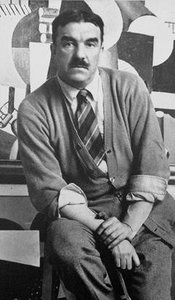
Fernand Léger
1881 - 1955 , Francia
Informazioni rapide
- Artisti Influenti:
- Cézanne
- Impressionismo
- Artisti Influenzati: ['Pop Art']
- Data Di Nascita: 4 febbraio 1881
- Luogo Di Nascita: Argentan, Francia
- Movimento Artistico: Cubismo, Tubismo
- Nazionalità: Francese
- Nome Completo: Fernand Léger
- Opere Notevoli:
- La Grande Parata
- L'Elemento Macchina
- Donna Seduta
- The City
Articoli correlati

Neo-Abstract Art Trend Forecast: High-Impact Geometric Compositions for Contemporary Commercial Interiors
Elevate commercial interiors with Neo-Abstract art. Discover how high-impact geometric compositions and custom oil reproductions provide scalable, sophisticated design solutions for hotels, restaurants, and corporate spaces. Expert procurement for large-scale hospitality projects.


