


 Anteprima in scala reale
 Invia
Invia Condividi
 Dettagli opera

 Scarica immagine
 Simili
 Radiografia
 Slideshow
The terrace


 Espandi i dettagli
Riproduzione a olio fatta a mano
Olio su tela dipinto a mano nelle tue dimensioni e con la tua cornice, realizzato su ordinazione dai nostri artisti. ( Acquista stampa Acquista immagine)




P118B $10

P118H $10

P118W $10

P438Z $10

P508JH $12

P508YH $12

P805H $10

P805Z $10

P919BZ $10

P919G $10

P919XJ $10

P959ZH $10

P968JZ $12

W106C $8

W218G $10

W218JH $8

W218Y $10

W307PJ $10

W316G $10

W316PJ $8

W316Y $10

W398PJ $8

W4111J $10

W500HY $15

W500JH $15

W692G $12

W849H $8

W940BG $15

W953PJ $8




Scegli tra le nostre dimensioni predefinite, che rispettano le proporzioni originali dell'opera d'arte.

È possibile inserire dimensioni personalizzate per adattare l'opera a una cornice o a uno spazio specifico. Se la dimensione selezionata non corrisponde alle proporzioni dell'immagine originale, provvederemo a ritagliare l'opera o a estendere il dipinto con elementi aggiuntivi dipinti a mano. Un mockup digitale ti sarà inviato per approvazione prima dell'inizio della produzione.
Si prega di notare che l'anteprima a schermo non riflette il ritaglio o l'estensione effettivi. Solo il mockup mostrerà accuratamente la composizione finale.
Sebbene siano disponibili dimensioni personalizzate, consigliamo di selezionare una dimensione dall'elenco predefinito per preservare le proporzioni originali.
Dopo l'ordine, il team di AllPaintingsStore.com contatterà il cliente via e-mail per le istruzioni e fornirà un'anteprima del mockup
Consegna in tutto il mondo () in 3/4 settimane anziché nelle normali 5 settimane. (24 Agosto). Nessun compromesso sulla qualità.

Spedizione espressa gratuita in tutto il mondo

Tela in lino di alta qualità

Assicurazione completa sulla spedizione

Garanzia di rimborso dei dazi doganali

Garanzia di fedeltà cromatica

Politica di reso entro 60 giorni (solo per difetti di fabbricazione)

Garanzia di rimborso al 100%

Offerta per acquisti multipli
 L'opzione vetro è disponibile solo per dimensioni inferiori a 110 cm

The terrace
Tecnica di riproduzione
Dimensioni riproduzione
-


Prezzo totale calcolato
$ 258
Descrizione dell'opera
A Symphony of Geometry: Rediscovering Fernand Léger’s The Terrace
To step into the world of Fernand Léger is to abandon the soft, dappled light of the past and embrace a reality that pulses with the rhythmic, metallic hum of a city in motion. His masterpiece, The Terrace, painted around 1949, serves as a breathtaking window into this era of profound transformation. At first glance, the composition appears deceptively simple, yet it is brimming with a geometric abstraction that captures the very soul of the machine age. The viewer is met with a focused gaze—a woman’s presence amidst a complex interplay of circles and angular shapes—reflecting the vibrant energy and relentless dynamism characteristic of mid-century urban life. It is an artwork that does not merely sit upon the canvas; it vibrates with the heartbeat of a twentieth century caught in the throes of rapid industrialization.
Léger’s technical mastery lies in his ability to translate the mechanical rhythms of progress into a tactile, visual language. Eschewing the traditional pursuit of illusion, he championed a method rooted in Constructivism, prioritizing the raw power of form over mere representation. In The Terrace, this is achieved through a bold use of color and texture. Primary yellows and deep blues are applied with thick, impasto strokes, creating a surface that possesses a palpable physicality. This heavy application of paint rejects the delicate conventions of classical art, favoring instead an expressive gesture that mirrors the strength and movement of industrial machinery. For the collector or interior designer, this textured approach offers a commanding presence, making it a centerpiece capable of injecting structural depth and modern vitality into any sophisticated space.
Symbolism and the Pulse of Modernity
Beyond its striking aesthetic, the painting is rich with philosophical meaning. The prominent circles that dance throughout the composition are far more than decorative motifs; they serve as symbols of unity and cyclical movement. These rounded forms echo the repetitive patterns found in industrial processes, suggesting a sense of timelessness even amidst the depiction of contemporary life. A subtle inclusion of a clock further anchors the work to the concept of temporal flow, reminding us of the precision and structured pace of the modern world. Léger masterfully weaves these elements together to create a visual manifesto—a celebration of how humanity seeks to find harmony within the monumental scale of technological advancement.
For those seeking to curate an environment of inspiration, The Terrace offers an unparalleled emotional impact. It evokes a sense of structured optimism and the beauty found in order and strength. Whether displayed in a minimalist gallery setting or as a bold statement in a contemporary living space, this reproduction brings with it the legacy of a man who saw the beauty in the bolt, the gear, and the girder. It is an invitation to look past the organic chaos of nature and find wonder in the engineered elegance of our modern existence.
Opere simili


Biografia dell'artista
vitae e formazione
Fernand Léger, pittore, scultore e filmmaker francese, nacque il 4 febbraio 1881 ad Argentan, Orne, nella bassa Normandia. Suo padre allevava bovini e Léger iniziò la sua formazione come architetto nel 1897-1899. Successivamente si trasferì a Parigi nel 1900, sostenendosi con il lavoro di disegnatore architettonico.sviluppo artistico
Le prime opere di Léger furono influenzate dall'impressionismo, come visto in Le jardin de ma mère (Il giardino di mia madre) (1905). Dopo aver frequentato la scuola d'arte decorativa e l'Académie Julian, iniziò a lavorare seriamente come pittore a 25 anni. Il suo stile si evolse in una forma personale di cubismo, che i critici definirono "tubismo" per la sua enfasi su forme cilindriche.Cubismo e il gruppo dei Puteaux
Nel 1910, Léger espose al Salon d'automne insieme a Jean Metzinger e Henri Le Fauconnier. Entrò nel gruppo dei Puteaux, noto anche come la sezione d'or (la sezione aurea), insieme ad altri artisti come Francis Picabia e Marcel Duchamp.Guerra e la sua influenza sull'opera di Léger
Le esperienze di Léger nella Prima Guerra Mondiale ebbero un impatto significativo sulla sua opera. Durante il suo tempo al fronte, produsse schizzi di pezzi d'artiglieria, aerei e soldati. Il suo dipinto Soldier with a Pipe (1916) riflette questo periodo.Lavoro successivo e eredità
Il lavoro post-bellico di Léger, caratterizzato da forme meccaniche lisce, lo legò alla tradizione della pittura figurativa francese. I suoi paesaggi animati del 1921 mostrarono figure e animali in forme armoniose e razionalizzate.- visualizza le opere di Fernand Léger su AllPaintingsStore
- altro sul Fernand Léger su Wikipedia
- scopri il Musée National Fernand Légère (Francia) con AllPaintingsStore
- La donna seduta (100 x 81 cm, tubismo)
- Elemento macchina (cubismo)
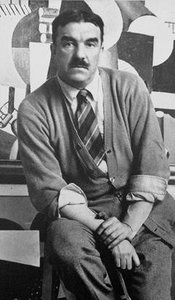
Fernand Léger
1881 - 1955 , Francia
Dati rapidi
- Artisti Influenti:
- Cézanne
- Impressionismo
- Artisti Influenzati: ['Pop Art']
- Data Di Nascita: 4 febbraio 1881
- Luogo Di Nascita: Argentan, Francia
- Movimento Artistico: Cubismo, Tubismo
- Nazionalità: Francese
- Nome Completo: Fernand Léger
- Opere Notevoli:
- La Grande Parata
- L'Elemento Macchina
- Donna Seduta
- The City
Articoli correlati

Neo-Abstract Art Trend Forecast: High-Impact Geometric Compositions for Contemporary Commercial Interiors
Elevate commercial interiors with Neo-Abstract art. Discover how high-impact geometric compositions and custom oil reproductions provide scalable, sophisticated design solutions for hotels, restaurants, and corporate spaces. Expert procurement for large-scale hospitality projects.

Modern Geometry & Machine Age Beauty: A Collector's Guide to the Cubist Vision of Fernand Léger
Explore the profound geometric mastery of Fernand Léger. Discover how his 'Tubism' and Machine Age aesthetics redefined modern art, offering timeless inspiration for discerning collectors seeking to integrate Cubist dynamism into sophisticated contemporary interiors.


