


 Anteprima in scala reale
 Invia
Invia Condividi
 Dettagli opera
 Guida
Guida

 Scarica
 Simili
 Radiografia
 Slideshow
 Domande e risposte
 Statistiche
Tre personaggi


 Espandi i dettagli
Giclée / Stampe d'arte
Stampa giclée o su tela di qualità museale, con produzione rapida e diverse opzioni di finitura. ( Acquista il dipinto realizzato a mano Passa all'immagine digitale)




P118B €10

P118H €10

P118W €10

P438Z €10

P508JH €12

P508YH €12

P805H €10

P805Z €10

P919BZ €10

P919G €10

P919XJ €10

P959ZH €10

P968JZ €12

W106C €8

W218G €10

W218JH €8

W218Y €10

W307PJ €10

W316G €10

W316PJ €8

W316Y €10

W398PJ €8

W4111J €10

W500HY €15

W500JH €15

W692G €12

W849H €8

W940BG €15

W953PJ €8




Scegli tra le nostre dimensioni predefinite, che rispettano le proporzioni originali dell'opera d'arte.

Inserisci la larghezza e l'altezza desiderate, per adattarle alla tua cornice o alla tua parete. Una stampa può essere solo ritagliata, mai resa più grande dell'immagine originale; pertanto, un formato con una forma differente comporterà la perdita di una parte dell'opera. Ti invieremo un mockup digitale da approvare prima di procedere con la stampa. L'immagine mostrata in questa pagina non rappresenta il ritaglio reale — solo il mockup lo mostra.
Consegna in tutto il mondo () in 2 settimane invece delle normali 4/5 settimane. (13 Novembre)

Spedizione espressa gratuita in tutto il mondo

Tela in lino di alta qualità

Assicurazione completa sulla spedizione

Garanzia di rimborso dei dazi doganali

Garanzia di fedeltà cromatica assoluta

Politica di reso entro 100 giorni (solo per difetti di fabbricazione)

Garanzia di rimborso al 100%

Offerta per acquisti multipli
 L'opzione vetro è disponibile solo per dimensioni inferiori a 110 cm

Tre personaggi
Giclée / Stampe d'arte
Dimensioni riproduzione
-


Prezzo finale calcolato
€ 58
Una Sinfonia di Forma e Sentimento: Esplorando “Tre personaggi” di Fernand Léger
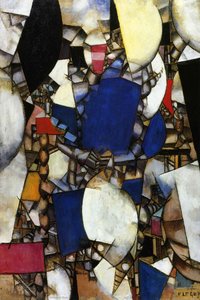
Il dipinto del 1924 di Fernand Léger, “Tre personaggi”, è un'opera fondamentale che esemplifica il suo contributo distintivo al Cubismo, uno stile che l'artista ha evoluto in modo unico in quella che divenne nota come “Tubismo”. Più che un semplice esercizio di astrazione geometrica, questo pezzo offre uno sguardo affascinante sulla visione dell'artista della vita moderna e della connessione umana in piena era di industrializzazione.Decostruire la Composizione: Stile e Tecnica
Léger impiega magistralmente forme cilindriche semplificate per ritrarre tre figure posizionate l'una vicino all'altra. Non si tratta di una rappresentazione realistica, bensì di una deliberata frammentazione e riassemblaggio della realtà attraverso una lente cubista. Il dipinto evita la prospettiva tradizionale, presentando molteplici punti di vista simultaneamente all'interno di un piano pittorico appiattito. La tecnica è caratterizzata da pennellate fluide e colori accuratamente sfumati, creando una superficie lucida nonostante l'angolarità delle forme. Ciò genera un senso di solidità e monumentalità, radicando le figure astratte in una presenza quasi scultorea.Una Tavolozza di Modernità: Colore e Simbolismo
Sebbene radicato nell'approccio analitico del Cubismo, “Tre personaggi” si distingue per la sua vibrante tavolozza cromatica. Léger va oltre i toni smorzati spesso associati al primo Cubismo, abbracciando sfumature audaci che iniettano energia e calore nella composizione. L'inclusione di oggetti simbolici – una mazza da baseball e un libro – aggiunge strati di significato. Questi non sono semplici elementi decorativi; rappresentano aspetti della vita quotidiana, del tempo libero e della ricerca intellettuale, accennando all'interesse di Léger nel ritrarre l'individuo moderno all'interno del proprio ambiente. Le figure stesse non sono ritratti, ma archetipi che rappresentano aspetti universali dell'esperienza umana.Contesto Storico: Il Cubismo e Oltre
Creato nelle conseguenze della Prima Guerra Mondiale, “Tre personaggi” riflette un più ampio cambiamento culturale verso l'accoglienza della modernità e dell'industrializzazione. Léger, insieme a Picasso e Braque, fu all'avanguardia della rivoluzione cubista, sfidando le convenzioni artistiche tradizionali. Tuttavia, egli si distinse dai suoi pari incorporando elementi dell'estetica meccanica e della cultura popolare nella sua opera. Il suo stile evolvette verso il “Cubismo Cristallino”, enfatizzando grandi piani geometrici sovrapposti e un forte focus sull'attività della superficie. Questo dipinto si erge come testimonianza di tale evoluzione, colmando il divario tra sperimentazione astratta e forma rappresentativa.Risonanza Emotiva e Influenza Duratura
“Tre personaggi” evoca un senso di quieta contemplazione e interconnessione. Nonostante le loro forme astratte, le figure possiedono una presenza palpabile, suggerendo un'esperienza condivisa o un dialogo silenzioso. Il fascino duraturo del dipinto risiede nella sua capacità di risuonare con gli spettatori a livello emotivo, stimolando la riflessione su temi come l'identità, la comunità e la condizione umana. L'opera di Léger ha influenzato profondamente i movimenti artistici successivi, tra cui il Futurismo, l'Arte Astratta e il Surrealismo, consolidando la sua eredità di artista visionario che ha ridefinito le possibilità della pittura nel XX secolo.Considerazioni per il Collezionismo e l'Interior Design
- Compatibilità con lo Stile: Quest'opera si integra perfettamente in interni moderni, minimalisti o Art Déco. Le sue forme geometriche e i colori audaci creano un punto focrendale sorprendente.
- Integrazione della Tavolozza Cromatica: Lo schema cromatico del dipinto può essere richiamato in mobili d'accento, tessuti o colori delle pareti per creare un'estetica di design coesa.
- Suggerimenti per il Posizionamento: Ideale per soggiorni, sale da pranzo o studi privati. Si consiglia di abbinarlo a sculture contemporanee o opere d'arte astratta.
- Potenziale di Investimento: Essendo un'opera seminale di un artista altamente influente, una riproduzione di alta qualità di “Tre personaggi” rappresenta non solo un'aggiunta estetica, ma anche un potenziale investimento nella storia dell'arte.
Domande e risposte
In che anno è stata realizzata "Tre personaggi"?
L'opera "Tre personaggi" di Fernand Léger risale al 1924.
Qual è la tecnica e la data di "Tre personaggi" di Fernand Léger?
La tecnica di "Tre personaggi" di Fernand Léger è Acrilico su tela e l'opera risale al 1924.
Quale tavolozza di colori viene utilizzata in "Tre personaggi" di Fernand Léger?
La tavolozza di "Tre personaggi" di Fernand Léger è descritta come Toni neutri: una sintesi cromatica dell'opera.
Opere simili




Biografia dell'artista
La Vita di Fernand Léger
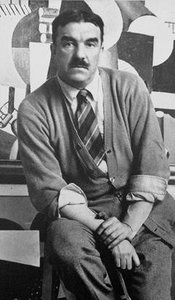
La storia di Fernand Léger ha inizio nel villaggio di Argentan, situato nella regione dell'Orne, nella Bassa Normandia. Al mondo arrivò il 4 febbraio 1881, come figlio unico. I suoi primi anni furono plasmati dalla quiete della campagna francese e dalla presenza della madre, Marie-Adèle Daunou. Suo padre, un uomo che viveva di commercio di bestiame, morì quando Fernand era ancora un bambino, lasciando che il piccolo venisse cresciuto dalla madre in un ambiente segnato dalla sua pietà e da una certa natura umile e riservata.
Questa educazione nei paesaggi rurali della Normandia fornì un contrasto fondamentale rispetto alla vita che avrebbe infine condotto nei frenetici centri della cultura francese. Mentre le sue radici erano legate alla terra e alla fisicità della vita agricola, il suo spirito era attratto dalle complessità dell'era moderna. Col tempo, la sua portata si sarebbe estesa ben oltre i confini di Argentan, trasformandolo in un uomo dalle molteplici discipline. Non si limitò alla tela, ma cercò invece di esprimere la sua visione attraverso la scultura e le immagini in movimento del cinema.
La sua esistenza fu un movimento costante tra le texture organiche della sua giovinezza e i ritmi strutturati e meccanici delle città. Questa dualità definì la sua stessa essenza, mentre navigava tra i mutamenti di un secolo in trasformazione. Il suo percorso non fu mai semplice, segnato dalla tensione tra il mondo tradizionale della sua infanzia e il rapido impulso industriale del futuro che, attraverso la sua arte, avrebbe contribuito a definire.
Infanzia, Famiglia e Formazione
Le radici della sua visione furono piantate nei paesaggi rurali di Argentan, nella regione dell'Orne, nella Bassa Normandia, in Francia. Nato in un mondo dedito all'allevamento di bestiame, i suoi primi anni furono plasmati dalla fisicità della terra e dai ritmi costanti della vita agricola. Questo radicamento nel mondo tangibile e lavorativo sarebbe rimasto una presenza silenziosa sotto la superficie delle sue esplorazioni successive, più complesse. Figlio unico, fu cresciuto da una madre tanto devota quanto umile, e il suo cammino fu inizialmente orientato verso la disciplina strutturata dell'architettura. Tra il 1897 e il 1899, si dedicò a questo mestiere tecnico, apprendendo la logica dello spazio e la necessità di un disegno preciso.
Entro il 1900, l'attrazione verso la città divenne troppo forte per essere ignorata, e si trasferì a Parigi. Si sostenne lavorando come disegnatore architettonico, un ruolo che richiedeva un occhio acuto per la linea e la proporzione. Sebbene la sua formazione formale in architettura gli avesse fornito una base di comprensione strutturale, il suo cuore iniziò a vagare verso la tela. Cercò l'accesso alla prestigiosa École des Beaux-Arts, ma l'istituzione non gli concesse lo status ufficiale di studente regolarmente iscritto. Lontano dall'essere scoraggiato, frequentò la scuola come studente esterno, assorbendo le lezioni dei maestri mentre si muoveva ai margini dell'establishment accademico. Questo periodo di studi, sebbene talvolta descritto come un tempo di ricerca, fu essenziale per affinare quella maestria tecnica che avrebbe infine utilizzato per smantellare e ricostruire il mondo a sua immagine.
L'influenza di Cézanne e il Cubismo
Un profondo mutamento avvenne nel 1907, quando l'artista si imbattò nella retrospettiva di Cézanne al Salon d'Automne. Questo incontro agì da catalizzatore, allontanandolo dalle morbide impressioni della sua giovinezza per trascinarlo verso un modo di vedere più strutturale. Iniziò a guardare oltre la superficie delle cose, cercando invece la geometria sottostante che definisce il mondo. Entro il 1909, la sua presenza nei circoli creativi di Parigi si consolidò attraverso l'incontro con figure come Alexander Archipenko, Jacques Lipchitz, Marc Chagall e Robert Delaunay. Questi incontri non furono semplici momenti di socialità, ma vere e proprie collisioni di nuove idee che contribuirono a plasmare la direzione della sua visione in evoluzione.
Con il passare degli anni, si ritrovò a muoversi nell'orbita del Gruppo di Puteaux, un cerchio di artisti noto anche come la Sezione d'Oro. Insieme a Jean Metzinger e Henri Le Fauconnier, esplorò le possibilità matematiche e strutturali di questo nuovo linguaggio. Non si accontentò di seguire passivamente i sentieri tracciati da altri, ma cercò invece la propria strada attraverso i piani frammentati e le forme sovrapposte che definivano l'epoca. Questo periodo di intensa sperimentazione lo condusse alla sua prima grande esposizione al Salon des Indépendants nel 1911, dove presentò Nudi nel bosco.
- Nudi nel bosco (1911)
La Guerra e il Periodo Meccanico
Il caos della Grande Guerra trascinò l'artista lontano dagli studi parigini, immergendolo nelle dure realtà del fronte. Dal 1914 al 1917, prestò servizio nell'esercito francese, trascorrendo due estenuanti anni nelle Argonne. Il conflitto non fu un semplice sfondo della sua vita, ma una forza trasformativa capace di alterare la sua stessa percezione della forma. Nel 1916, un attacco con gas mostarda gli sfiorò la vita, costringendolo a una convalescenza mentre il mondo intorno a lui veniva rimodellato dalla pura potenza della distruzione industriale. Persino durante un breve congedo nello stesso anno, si sentì spinto a dipingere, dando vita a Soldier with a Pipe. Quest'opera catturò il senso di una nuova realtà, in cui la figura umana iniziava ad assumere le qualità delle macchine che dominavano il campo di battaglia.
Entro il 1917, un mutamento netto si era ormai impossessato del suo spirito creativo, segnando l'inizio di quello che sarebbe stato definito il suo periodo meccanico. Egli scorse una bellezza strana e ritmica negli strumenti e nella tecnologia della guerra moderna e dell'industria. Le forme levigate e tubolari e la precisione dei componenti meccanici divennero il suo nuovo linguaggio visivo. Non vedeva questi oggetti come freddi o impersonali; al contrario, ne abbracciò la forza e la capacità di organizzare il caos dell'esistenza moderna. La guerra aveva spogliato le opere giovanili della loro morbidezza, sostituendola con una chiarezza strutturale e dai contorni netti, che rispecchiava l'acciaio e i pistoni di un'epoca in rapida trasformazione.
Tecnica e Stile
Il suo pennello si muoveva con una precisione ritmica, quasi industriale, nel tentativo di catturare il battito pulsante di un'epoca in profonda trasformazione. Si allontanò dalle ombre morbide e sfumate del passato, scegliendo invece di costruire le sue composizioni attraverso un linguaggio fatto di robusta forza geometrica. Questa evoluzione portò alla nascita di una forma personale di Cubismo, che la critica avrebbe identificato come "Tubismo". In questo stile, il mondo veniva reinventato attraverso forme tubolari, coniche e cubiche, creando una sensazione di volume che appariva al contempo solida e dinamica. Fernand Léger non si limitava a dipingere oggetti; egli cercava di scorgere la loro essenza, la loro logica strutturale fondamentale.
I colori che scelse erano assertivi quanto le forme che andavano a colmare. Prediligeva una tavolozza dominata dai colori primari, spesso punteggiata da un netto contrasto di bianco e nero, che aiutava a definire i contorni netti dei suoi soggetti. Invece di affidarsi al tradizionale illusionismo, applicava il colore in campiture audaci e piatte. Utilizzava spesso un impasto corposo, una tecnica che enfatizzava la presenza fisica del medium sulla tela. Questo approccio materico assicurava che le sue opere avessero una consistenza tangibile e terrena, rispecchiando proprio quelle macchine e quelle strutture urbane che tanto ammirava. Le sue figure assumevano spesso forme levigate e dall'aspetto meccanico, sfumando il confine tra la forma umana organica e la precisione ingegneristica dell'era moderna.
- Nudi nel bosco (1910)
- La donna in blu (1912)
- Soldato con la pipa (1916)
- Il meccanico (1920)
Gli ultimi anni e la morte
Le mutevoli correnti dei conflitti globali finirono per allontanare l'artista dai suoi circoli parigini, trascinandolo oltre l'Atlantico. Tra il 1940 e il 1945, Fernand Léger visse negli Stati Uniti, un periodo che gli offrì una prospettiva differente sul mondo moderno che aveva così a lungo cercato di tradurre sulla tela. Questo soggiorno all'estero rappresentò una pausa nella sua lunga evoluzione, un momento di transizione prima del suo definitivo ritorno sulla terra natia francese.
Al suo ritorno in patria, la sua vita privata conobbe un cambiamento significativo. Nel febbraio del 1952, sposò Nadia Khodasevich. Questa unione segnò un capitolo finale della sua esistenza, vissuto nel pieno di una produzione artistica sempre più vasta e diversificata, che spaziava dai grandi murales alle delicate composizioni in vetro piombato. Anche con l'avanzare dell'età, il suo prestigio rimase saldo sulla scena internazionale. Nel 1955, ricevette il Grand Prix alla Biennale di San Paolo, un altissimo onore che gli fu conferito proprio nell'anno della sua scomparsa. Fernand Léger morì il 17 agosto 1955, a Gif-sur-Yvette, in Francia.
Eredità e Influenza
Fernand Léger ha lasciato un'impronta che si è estesa ben oltre i circoli d'avanguardia del suo tempo. Colmando il divario tra l'arte astratta e la rappresentazione figurativa, ha offerto agli artisti un modo per confrontarsi con il mondo moderno senza abbandonare completamente il soggetto umano. Il suo approccio ha permesso un dialogo profondo tra la logica strutturale della geometria e la presenza riconoscibile di persone e oggetti. Questa capacità di trovare un punto d'incontro tra il puramente concettuale e il tangibile ha contribuito a plasmare la direzione di gran parte dell'arte successiva.
La sua audace semplificazione della forma e la fascinazione per l'estetica della produzione di massa sono state precursori del movimento Pop Art. Egli scorse una bellezza intrinseca nella natura ripetitiva e funzionale dell'era delle macchine, una prospettiva che avrebbe successivamente risuonato in una nuova generazione di creatori. Artisti come Roy Lichtenstein e Andy Warhol hanno tracciato un filo conduttore diretto tra i suoi esperimenti con contorni marcati e immagini meccaniche e le proprie esplorazioni della cultura popolare. Léger ha contribuito a preparare il linguaggio visivo per un'epoca che avrebbe infine celebrato proprio quegli elementi industriali e commerciali che lui aveva un tempo cercato di trasporre sulla tela.
Dove ammirare le sue opere oggi
Per incontrare la presenza fisica della sua visione, è necessario viaggiare verso il sud della Francia, precisamente a Biot, nelle Alpi Marittime. Qui sorge il Musée National Fernand Léger, un luogo interamente dedicato allo studio e alla conservazione della sua produzione creativa. Il museo occupa il Mas Saint-André, una villa che un tempo apparteneva proprio all'artista. Tra queste mura e nei giardini circostanti, le sue sculture in ceramica policroma trovano l'ambientazione ideale, permettendo allo spettatore di osservare come le sue forme interagiscano con la luce e lo spazio del paesaggio mediterraneo.
Oltre questo santuario specializzato, le sue tele e le sue sculture sono custodite all'interno di diverse istituzioni di grande rilievo. Il Musée d'Art et d'Histoire in Francia conserva una collezione delle sue opere, garantendo la sua presenza nel più ampio racconto dell'arte francese. Questi possedimenti permettono uno studio continuo di come l'artista abbia tradotto l'energia dell'era delle macchine in forme visive statiche, eppure pulsanti. I viaggiatori che cercano la sua estetica specifica possono rintracciare le sue tracce in diverse collezioni principali, tra cui:
- Il Kimbell Art Museum a Fort Worth
- Il Museum of Modern Art a New York City
- Il Musée National Fernand Léger a Biot
La sua influenza persiste anche nelle opere di altri artisti, ma il modo principale per testimoniare il suo tocco diretto è attraverso questi consolidati depositi. Che si stia osservando l'audacia delle forme cilindriche in un contesto museale o si stiano ammirando le sue sculture nella quiete di un giardino, lo spettatore si trova di fronte alla medesima chiarezza strutturale che ha definito l'opera della sua vita. La sua eredità rimane ancorata in queste località specifiche, dove i ritmi pesanti e meccanici dei suoi dipinti sono preservati per coloro che cercano la verità della sua geometria.
Fernand Léger
1881 - 1955 , Francia
Dettagli rapidi
- Artistic Movement Or Style:
- Cubismo
- Tubismo
- Sezione d'Oro
- Purismo
- Dadaismo
- Costruttivismo
- Artists Or Movements Influenced By This Artist:
- Pop Art
- Roy Lichtenstein
- Andy Warhol
- Artists Who Influenced This Artist: ['Paul Cézanne']
- Date Of Birth: 1881
- Date Of Death: 1955
- Full Name: Joseph Fernand Henri Léger
- Nationality: Francese
- Notable Artworks:
- Nudi nella foresta
- La città
- Il meccanico
- Tre donne
- La donna in blu
- Place Of Birth: Argentan, Francia
Articoli correlati

Armonia Astratta: Guida Professionale all'Abbinamento di Texture Impasto e Design d'Interni di Lusso
Guida esclusiva per hotel designer: scopri come integrare texture impasto e arte astratta nel design d'interni di lusso. Strategie professionali per elevare l'identità dell'hospitality attraverso la curatela d'arte, la matericità e il valore strategico del brand.

I 25 capolavori di Fernand Léger: l'energia dell'era meccanica
Scopri i 25 capolavori di Fernand Léger e il ritmo del Tubismo. Esplora la collezione su AllPaintingsStore.com.

Modern Geometry & Machine Age Beauty: A Collector's Guide to the Cubist Vision of Fernand Léger
Explore the profound geometric mastery of Fernand Léger. Discover how his 'Tubism' and Machine Age aesthetics redefined modern art, offering timeless inspiration for discerning collectors seeking to integrate Cubist dynamism into sophisticated contemporary interiors.


