Anteprima in scala reale
 Condividi
 Condividi
 Dettagli

 Scarica immagine
 Articoli simili
 Radiografia
 Slideshow
untitled (1612)


 Leggi tutto
Riproduzione a olio fatta a mano
Olio su tela dipinto a mano nelle tue dimensioni e con la tua cornice, realizzato su ordinazione dai nostri artisti. ( Ordina stampa Acquista download)




P118B $10

P118H $10

P118W $10

P438Z $10

P508JH $12

P508YH $12

P805H $10

P805Z $10

P919BZ $10

P919G $10

P919XJ $10

P959ZH $10

P968JZ $12

W106C $8

W218G $10

W218JH $8

W218Y $10

W307PJ $10

W316G $10

W316PJ $8

W316Y $10

W398PJ $8

W4111J $10

W500HY $15

W500JH $15

W692G $12

W849H $8

W940BG $15

W953PJ $8




Scegli tra le nostre dimensioni predefinite, che rispettano le proporzioni originali dell'opera d'arte.

È possibile inserire dimensioni personalizzate per adattare l'opera a una cornice o a uno spazio specifico. Se la dimensione selezionata non corrisponde alle proporzioni dell'immagine originale, provvederemo a ritagliare l'opera o a estendere il dipinto con elementi aggiuntivi dipinti a mano. Un mockup digitale ti sarà inviato per approvazione prima dell'inizio della produzione.
Si prega di notare che l'anteprima a schermo non riflette il ritaglio o l'estensione effettivi. Solo il mockup mostrerà accuratamente la composizione finale.
Sebbene siano disponibili dimensioni personalizzate, consigliamo di selezionare una dimensione dall'elenco predefinito per preservare le proporzioni originali.
Dopo l'ordine, il team di AllPaintingsStore.com contatterà il cliente via e-mail per le istruzioni e fornirà un'anteprima del mockup
Consegna in tutto il mondo () in 3/4 settimane anziché nelle normali 5 settimane. (20 Agosto). Nessun compromesso sulla qualità.

Spedizione espressa gratuita in tutto il mondo

Tela in lino di alta qualità

Assicurazione completa sulla spedizione

Garanzia di rimborso dei dazi doganali

Garanzia di fedeltà cromatica dell'originale

Politica di reso entro 60 giorni (solo per difetti di fabbricazione)

Garanzia di rimborso al 100%

Sconto per acquisti multipli
 L'opzione vetro è disponibile solo per dimensioni inferiori a 110 cm

untitled (1612)
Tecnica di riproduzione
Dimensioni della riproduzione
-


Prezzo totale
$ 258
Descrizione dell'opera
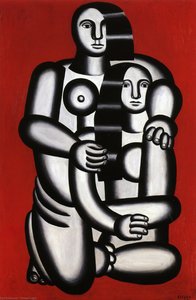
A Symphony of Modernity: The Vibrancy of Fernand Léger
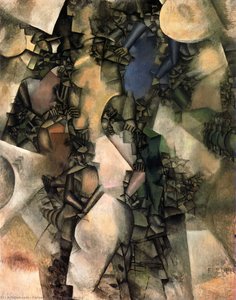
In the heart of the early twentieth century, as the gears of industry began to turn with an unstoppable rhythm, Fernand Léger captured the very pulse of a changing world. His work, exemplified by the captivating untitled (1612), serves as a crystallized snapshot of the anxieties and aspirations simmering beneath the surface of European society. Born in the agricultural landscapes of Normandy, Léger brought an inherent understanding of physicality and structure to his canvas. Moving away from the architectural precision he was initially trained for, he embraced the chaotic energy of Paris, transforming the mechanical and the mundane into a profound visual language. This piece is not merely a depiction of figures; it is an exploration of how humanity occupies space within the relentless pace of the machine age.
The composition itself is a masterclass in dynamic arrangement, featuring approximately twelve individuals caught in a web of seemingly disparate activities. Some figures recline in repose while others stand with a striking verticality, creating a rhythmic tension that defies conventional spatial boundaries. There is a sense of organized chaos here, where the placement of each person—some pressing toward the foreground and others receding into the depth—creates a complex, multi-layered narrative. For the discerning collector or interior designer, this painting offers a sophisticated focal point, bringing a sense of movement and structural complexity to any curated space.
The Language of Tubism and Bold Color
To understand the soul of this work, one must look toward Léger’s revolutionary development of Tubism. This radical departure from traditional Cubism utilized simplified, tubular forms that echoed the sleek, metallic architecture of burgeoning industrial cities. By rejecting illusionistic representation in favor of geometric precision, Léger achieved a sense of structural permanence. In this painting, the use of color is nothing short of visceral; bold reds and brilliant yellows dominate the palette, acting as emotional anchors that command the viewer's attention. These primary tones do more than decorate the canvas—they amplify the emotional impact of the scene, injecting a sense of vitality and warmth into the geometric rigidity.
The technique relies on a deliberate rejection of soft edges, opting instead for a treatment of subject matter that feels both modern and populist. This approach, which many historians regard as a vital forerunner to Pop Art, allows the painting to remain accessible yet intellectually stimulating. The interplay between the heavy, rounded forms and the vibrant color fields creates a visual weight that is both grounding and energetic. It is this unique balance—the marriage of industrial strength with human diversity—that makes Légram’s work so enduringly relevant for contemporary decor.
An Invitation to Modern Living
For those seeking to infuse their environments with inspiration, a high-quality reproduction of this masterpiece offers more than just aesthetic beauty; it offers a connection to the avant-garde spirit. The painting’s ability to harmonize diverse elements—different ages, genders, and postures—mirrors the complexity of modern life itself. It serves as a conversation piece that invites contemplation on how we find our place within the larger structures of society. Whether placed in a minimalist gallery setting or a richly textured living space, the bold geometry and emotive palette of untitled (1612) provide an unparalleled sense of character and historical depth.
Opere correlate


Biografia dell'artista
vitae e formazione
Fernand Léger, pittore, scultore e filmmaker francese, nacque il 4 febbraio 1881 ad Argentan, Orne, nella bassa Normandia. Suo padre allevava bovini e Léger iniziò la sua formazione come architetto nel 1897-1899. Successivamente si trasferì a Parigi nel 1900, sostenendosi con il lavoro di disegnatore architettonico.sviluppo artistico
Le prime opere di Léger furono influenzate dall'impressionismo, come visto in Le jardin de ma mère (Il giardino di mia madre) (1905). Dopo aver frequentato la scuola d'arte decorativa e l'Académie Julian, iniziò a lavorare seriamente come pittore a 25 anni. Il suo stile si evolse in una forma personale di cubismo, che i critici definirono "tubismo" per la sua enfasi su forme cilindriche.Cubismo e il gruppo dei Puteaux
Nel 1910, Léger espose al Salon d'automne insieme a Jean Metzinger e Henri Le Fauconnier. Entrò nel gruppo dei Puteaux, noto anche come la sezione d'or (la sezione aurea), insieme ad altri artisti come Francis Picabia e Marcel Duchamp.Guerra e la sua influenza sull'opera di Léger
Le esperienze di Léger nella Prima Guerra Mondiale ebbero un impatto significativo sulla sua opera. Durante il suo tempo al fronte, produsse schizzi di pezzi d'artiglieria, aerei e soldati. Il suo dipinto Soldier with a Pipe (1916) riflette questo periodo.Lavoro successivo e eredità
Il lavoro post-bellico di Léger, caratterizzato da forme meccaniche lisce, lo legò alla tradizione della pittura figurativa francese. I suoi paesaggi animati del 1921 mostrarono figure e animali in forme armoniose e razionalizzate.- visualizza le opere di Fernand Léger su AllPaintingsStore
- altro sul Fernand Léger su Wikipedia
- scopri il Musée National Fernand Légère (Francia) con AllPaintingsStore
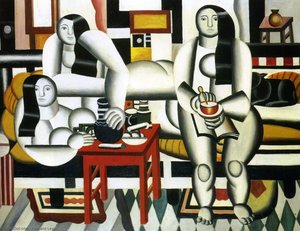
- La donna seduta (100 x 81 cm, tubismo)
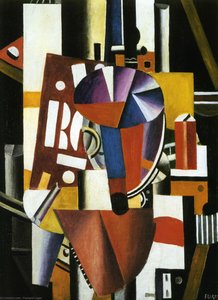
- Elemento macchina (cubismo)
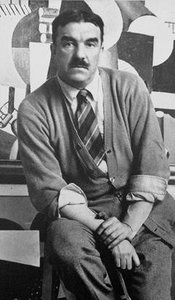
Fernand Léger
1881 - 1955 , Francia
Informazioni rapide
- Artisti Influenti:
- Cézanne
- Impressionismo
- Artisti Influenzati: ['Pop Art']
- Data Di Nascita: 4 febbraio 1881
- Luogo Di Nascita: Argentan, Francia
- Movimento Artistico: Cubismo, Tubismo
- Nazionalità: Francese
- Nome Completo: Fernand Léger
- Opere Notevoli:
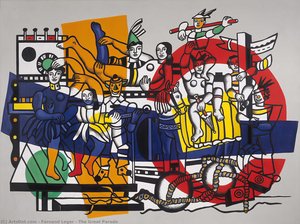
- La Grande Parata
- L'Elemento Macchina
- Donna Seduta
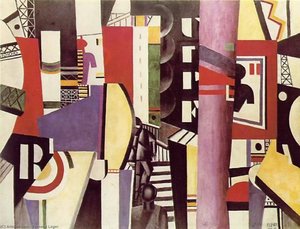
- The City
Articoli correlati

Modern Geometry & Machine Age Beauty: A Collector's Guide to the Cubist Vision of Fernand Léger
Explore the profound geometric mastery of Fernand Léger. Discover how his 'Tubism' and Machine Age aesthetics redefined modern art, offering timeless inspiration for discerning collectors seeking to integrate Cubist dynamism into sophisticated contemporary interiors.

Cubism Explained: A Professional Guide to Geometric Abstraction for Modern Interior Design
Master the impact of Cubism in modern design. Our expert guide explores geometric abstraction, Picasso's legacy, and professional solutions for sourcing high-quality Cubist reproductions for hotels, corporate spaces, and luxury interiors.

Neo-Abstract Art Trend Forecast: High-Impact Geometric Compositions for Contemporary Commercial Interiors
Elevate commercial interiors with Neo-Abstract art. Discover how high-impact geometric compositions and custom oil reproductions provide scalable, sophisticated design solutions for hotels, restaurants, and corporate spaces. Expert procurement for large-scale hospitality projects.