


 Anteprima in scala reale
 Condividi
 Condividi
 Dettagli
 Guida
Guida

 Scarica
 Articoli simili
 Radiografia
 Slideshow
 Statistiche
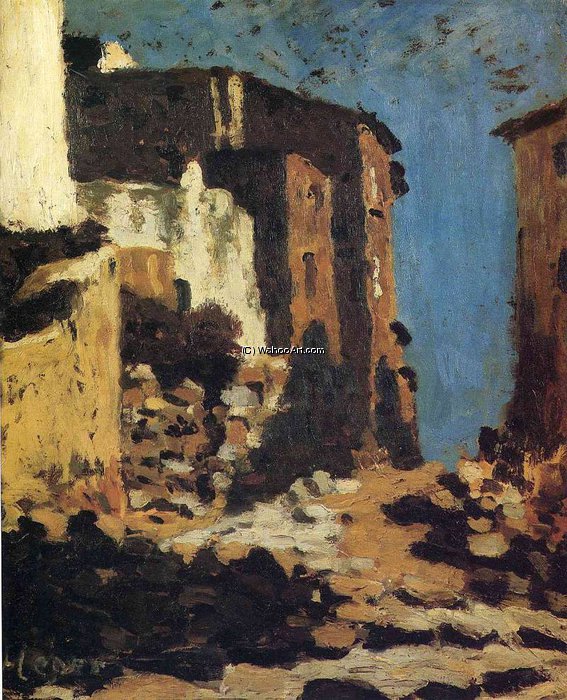
untitled (4685)

 Leggi tutto
Giclée / Stampe d'arte
Stampa giclée o su tela di qualità museale, con produzione rapida e diverse opzioni di finitura. ( Ordina la riproduzione dipinta a mano Passa all'immagine digitale)




P118B $10

P118H $10

P118W $10

P438Z $10

P508JH $12

P508YH $12

P805H $10

P805Z $10

P919BZ $10

P919G $10

P919XJ $10

P959ZH $10

P968JZ $12

W106C $8

W218G $10

W218JH $8

W218Y $10

W307PJ $10

W316G $10

W316PJ $8

W316Y $10

W398PJ $8

W4111J $10

W500HY $15

W500JH $15

W692G $12

W849H $8

W940BG $15

W953PJ $8




Scegli tra le nostre dimensioni predefinite, che rispettano le proporzioni originali dell'opera d'arte.

È possibile inserire dimensioni personalizzate per adattare l'opera a una cornice o a uno spazio specifico. Se la dimensione selezionata non corrisponde alle proporzioni dell'immagine originale, procederemo al ritaglio dell'opera o all'estensione dell'immagine con un bordo specchiato o a tinta unita. Un mockup digitale ti verrà inviato per approvazione prima dell'inizio della produzione.
Si prega di notare che l'anteprima a schermo non riflette il ritaglio o l'estensione effettivi. Solo il mockup mostrerà accuratamente la composizione finale.
Sebbene siano disponibili dimensioni personalizzate, si raccomanda di selezionare una dimensione dall'elenco predefinito per preservare le proporzioni originali.
Consegna in tutto il mondo () in 2 settimane invece delle normali 4/5 settimane. (25 Settembre)

Spedizione espressa gratuita in tutto il mondo

Tela in lino di alta qualità

Assicurazione completa sulla spedizione

Garanzia di rimborso dei dazi doganali

Garanzia di perfetta fedeltà cromatica

Politica di reso entro 100 giorni (solo per difetti di fabbricazione)

Garanzia di rimborso al 100%

Sconto per acquisti multipli
 L'opzione vetro è disponibile solo per dimensioni inferiori a 110 cm

untitled (4685)
Giclée / Stampe d'arte
Dimensioni della riproduzione
-


Prezzo totale
$ 64
Fernand Léger: Embracing the Rhythm of Modernity
Fernand Léger’s oeuvre represents more than just visual art; it embodies a profound engagement with the transformative forces reshaping Europe at the dawn of the 20th century. Born Joseph Fernand Henri Léger in Argentan, Normandy, in 1881, he possessed an upbringing rooted in rural labor—a stark contrast to the burgeoning industrial landscape that would soon dominate his artistic imagination. This duality fueled a relentless desire to capture not merely what was seen but also what *felt* like – the pulsating energy of machines and the geometric precision of urban spaces.- Early Tubism: Léger’s initial foray into painting, around 1907-1912, crystallized in “Tubism,” a radical departure from traditional representation. Influenced by Picasso and Braque, he employed fractured planes and tubular forms to depict objects—primarily locomotives and factories—reducing them to their essential structural elements. This technique wasn’t merely stylistic; it was a deliberate attempt to distill the essence of industrial production into visual symbols.
- The Shift Towards Figurative Expression: Recognizing the limitations of pure abstraction in conveying emotion, Léger gradually moved towards a more expressive style characterized by simplified figures and bold colors. He abandoned the rigid geometric structures of Tubism for looser contours and vibrant hues—particularly reds and yellows—creating canvases that pulsed with vitality.
A Dialogue With The Machine Age
Léger’s artistic vision coincided perfectly with the rapid industrial expansion occurring across Europe. Witnessing firsthand the impact of technological advancements on daily life, he felt compelled to respond artistically—to translate the anxieties and aspirations associated with this new era into visual form. His paintings aren't simply depictions of factories; they are meditations on movement, rhythm, and the relentless march of progress. Léger sought to convey not just what machines *looked* like but also how they *felt*, capturing the vibration and dynamism inherent in their operation.- Symbolism Within Simplification: Despite his stylistic reductions, Léger’s canvases retain a rich symbolic dimension. The prominent use of red—often associated with passion and energy—and yellow—representing optimism and illumination—underscores his belief that art could inspire hope amidst the uncertainties of modernity.
- Influence on Pop Art: Léger's pioneering approach to representing modern subject matter foreshadowed the emergence of pop art in the 1960s. Artists like Warhol and Lichtenstein drew inspiration from Léger’s bold simplification and his willingness to engage with popular culture—demonstrating that artistic expression could thrive outside the confines of academic conventions.
Emotional Resonance: Capturing The Spirit Of An Age
Ultimately, Léger's enduring appeal lies in his ability to evoke a visceral emotional response. His paintings aren’t merely aesthetically pleasing; they communicate a profound sense of urgency and excitement—a conviction that art could illuminate the complexities of the modern world while simultaneously celebrating its transformative potential. Viewing Léger’s canvases is akin to stepping into a whirlwind of color and form, experiencing firsthand the rhythm of industrial progress and embracing the promise of a brighter future. They stand as a testament to the power of artistic vision—to the capacity of art to transcend mere representation and forge a direct connection with the human spirit.Opere correlate


Biografia dell'artista
vitae e formazione
Fernand Léger, pittore, scultore e filmmaker francese, nacque il 4 febbraio 1881 ad Argentan, Orne, nella bassa Normandia. Suo padre allevava bovini e Léger iniziò la sua formazione come architetto nel 1897-1899. Successivamente si trasferì a Parigi nel 1900, sostenendosi con il lavoro di disegnatore architettonico.sviluppo artistico
Le prime opere di Léger furono influenzate dall'impressionismo, come visto in Le jardin de ma mère (Il giardino di mia madre) (1905). Dopo aver frequentato la scuola d'arte decorativa e l'Académie Julian, iniziò a lavorare seriamente come pittore a 25 anni. Il suo stile si evolse in una forma personale di cubismo, che i critici definirono "tubismo" per la sua enfasi su forme cilindriche.Cubismo e il gruppo dei Puteaux
Nel 1910, Léger espose al Salon d'automne insieme a Jean Metzinger e Henri Le Fauconnier. Entrò nel gruppo dei Puteaux, noto anche come la sezione d'or (la sezione aurea), insieme ad altri artisti come Francis Picabia e Marcel Duchamp.Guerra e la sua influenza sull'opera di Léger
Le esperienze di Léger nella Prima Guerra Mondiale ebbero un impatto significativo sulla sua opera. Durante il suo tempo al fronte, produsse schizzi di pezzi d'artiglieria, aerei e soldati. Il suo dipinto Soldier with a Pipe (1916) riflette questo periodo.Lavoro successivo e eredità
Il lavoro post-bellico di Léger, caratterizzato da forme meccaniche lisce, lo legò alla tradizione della pittura figurativa francese. I suoi paesaggi animati del 1921 mostrarono figure e animali in forme armoniose e razionalizzate.- visualizza le opere di Fernand Léger su AllPaintingsStore
- altro sul Fernand Léger su Wikipedia
- scopri il Musée National Fernand Légère (Francia) con AllPaintingsStore
- La donna seduta (100 x 81 cm, tubismo)
- Elemento macchina (cubismo)

Fernand Léger
1881 - 1955 , Francia
Informazioni rapide
- Artisti Influenti:
- Cézanne
- Impressionismo
- Artisti Influenzati: ['Pop Art']
- Data Di Nascita: 4 febbraio 1881
- Luogo Di Nascita: Argentan, Francia
- Movimento Artistico: Cubismo, Tubismo
- Nazionalità: Francese
- Nome Completo: Fernand Léger
- Opere Notevoli:
- La Grande Parata
- L'Elemento Macchina
- Donna Seduta
- The City


