


 Anteprima in scala reale
 Condividi
 Condividi
 Dettagli
 Guida stampabile

 Scarica
 Articoli simili
 Radiografia
 Slideshow
 Statistiche
A Monkey
 Acrylic On Canvas
- WallArt
- Romanticism
 1799
1799 70.0 x 56.0 cm
 Galleria d'Arte Walker
 Leggi tutto
Riproduzione a olio fatta a mano
Olio su tela dipinto a mano nelle tue dimensioni e con la tua cornice, realizzato su ordinazione dai nostri artisti. ( Passa alle stampe Passa all'immagine digitale)




P118B €10

P118H €10

P118W €10

P438Z €10

P508JH €12

P508YH €12

P805H €10

P805Z €10

P919BZ €10

P919G €10

P919XJ €10

P959ZH €10

P968JZ €12

W106C €8

W218G €10

W218JH €8

W218Y €10

W307PJ €10

W316G €10

W316PJ €8

W316Y €10

W398PJ €8

W4111J €10

W500HY €15

W500JH €15

W692G €12

W849H €8

W940BG €15

W953PJ €8




Scegli tra le nostre dimensioni predefinite, che rispettano le proporzioni originali dell'opera d'arte.

Inserisci la larghezza e l'altezza di cui hai bisogno, per adattarle alla tua cornice o alla tua parete. Trattandosi di un'opera dipinta a mano, in caso di dimensioni con una forma differente, l'artista può dipingere un po' più oltre i bordi dell'immagine o ritagliare leggermente — la scelta spetta a te. Ti invieremo un mockup digitale da approvare prima che la pittura abbia inizio. L'immagine mostrata in questa pagina non rappresenta il risultato reale — solo il mockup lo fa.
Dopo l'ordine, il team di AllPaintingsStore.com contatterà il cliente via e-mail per ricevere le istruzioni e fornirà un'anteprima del mockup
Consegna in tutto il mondo () in 3/4 settimane anziché nelle normali 5 settimane. (23 Ottobre). Nessun compromesso sulla qualità.

Spedizione espressa gratuita in tutto il mondo

Tela in lino di alta qualità

Assicurazione completa sulla spedizione

Garanzia di rimborso dei dazi doganali

Garanzia di perfetta fedeltà cromatica

Politica di reso entro 100 giorni (solo per difetti di fabbricazione)

Garanzia di rimborso al 100%

Sconto per acquisti multipli
 L'opzione vetro è disponibile solo per dimensioni inferiori a 110 cm

A Monkey
Tecnica di riproduzione
Dimensioni della riproduzione
-


Prezzo totale
€ 227
The Enigmatic Subject: A Monkey’s Contemplative Gaze
George Stubbs' "A Monkey," painted in 1799, isn’t merely a depiction of an animal; it’s a carefully constructed tableau brimming with layered meaning. The subject itself – a monkey seated upon what appears to be a weathered rock or piece of wood – possesses an almost unnerving stillness. Its head is turned slightly away from the viewer, lending it a contemplative air, as if lost in its own thoughts. The pose, combined with the subtle tension in its muscles and the alert expression around its eyes, suggests a creature both intelligent and wary. This isn’t a playful romp through a jungle; there's an underlying sense of observation, perhaps even judgment, radiating from this primate. The artist masterfully captures a fleeting moment of awareness, inviting us to contemplate the animal’s inner world.
- Composition: The monkey is centrally positioned within a dark, shadowed environment, creating a dramatic contrast between light and shadow. This technique draws attention to the subject while simultaneously hinting at an unseen, potentially ominous, backdrop.
- Color Palette: Stubbs employs a muted palette dominated by earthy tones – browns, ochres, and grays – that evoke the feeling of a dense forest or jungle. These subdued colors contribute to the painting’s overall sense of mystery and depth.
Anatomical Mastery and the Roots of Romanticism
Stubbs was renowned for his unparalleled anatomical accuracy, particularly in his depictions of animals. “A Monkey” exemplifies this skill, showcasing a meticulous attention to detail in rendering the monkey’s fur, musculature, and skeletal structure. This dedication stemmed from his early training as an assistant to a surgeon, Charles Atkinson at York County Hospital, where he dissected horses to understand their anatomy. This scientific rigor is evident in the painting's realistic portrayal of the animal’s form—a hallmark of the burgeoning Romantic movement. The emphasis on observation and detailed representation, rather than idealized beauty, was revolutionary for its time.
The painting reflects a shift away from Neoclassical ideals that prioritized order and restraint towards a celebration of nature's power and complexity – a core tenet of Romanticism.Symbolic Layers: Fruit, Observation, and the Garden of Eden
Beyond its anatomical brilliance, “A Monkey” is rich in symbolic potential. The monkey’s grasp of two apples—one held delicately in its hand, the other resting nearby—immediately evokes the biblical story of Adam and Eve. This imagery suggests themes of temptation, knowledge, and perhaps even a critique of humanity's relationship with nature. The shadowed background further reinforces this sense of mystery and foreboding. The artist’s choice to depict the monkey in a contemplative pose, rather than engaging in playful activity, adds another layer of complexity—suggesting an awareness of its own situation and the potential consequences of its actions.
Furthermore, some scholars suggest that the painting may be a commentary on the role of artists and their relationship to nature, mirroring the themes explored in Jean Siméon Chardin’s “The Monkey Painter,” which depicts a monkey holding a paintbrush.A Legacy of Precision and Romantic Vision
“A Monkey” stands as a testament to George Stubbs' extraordinary talent and his pivotal role in shaping the course of British art. Its meticulous detail, evocative atmosphere, and symbolic depth continue to captivate viewers today. Reproductions of this iconic painting offer an opportunity to experience firsthand the artistry and intellectual curiosity that defined one of England’s greatest painters. It is a piece that invites repeated viewing, revealing new nuances with each encounter—a true masterpiece of anatomical precision and Romantic vision.
Domande e risposte
In che anno è stata realizzata l'opera "A Monkey" di George Stubbs?
La creazione di "A Monkey" di George Stubbs risale al 1799.
Quale uso si consiglia per "A Monkey" di George Stubbs?
L'uso suggerito per "A Monkey" di George Stubbs è Reflective. Può essere impiegato anche per altri scopi.
Chi ha creato "A Monkey" e in quale stile è realizzato?
Dietro "A Monkey" si trovano George Stubbs e il movimento Romanticism.
Opere correlate


Biografia dell'artista
La Prima Vita e Formazione
George Stubbs, pittore inglese rinomato, nacque il 25 agosto 1724 a Liverpool, nel Regno Unito. I dettagli della sua vita iniziale sono scarsi fino all'età di 35 anni; la maggior parte delle informazioni provengono dai ricordi di Ozias Humphry, basati su conversazioni con Stubbs nel 1794. Il suo percorso artistico iniziò all’età di 15 anni, lavorando inizialmente sotto la guida del padre, conciatore di pelli. Successivamente si avvicinò a Hamlet Winstanley, pittore e incisore del Lancashire, per un breve apprendistato che gli permise di studiare le collezioni a Knowsley Hall.Sviluppo Artistico e Opere Notabili
La passione di Stubbs per l'anatomia lo portò a trasferirsi a York nel 1744, dove studiò sotto la guida del chirurgo Charles Atkinson presso il York County Hospital. Tra le sue prime opere sopravvissute vi è un insieme di illustrazioni per il manuale di ostetricia di John Burton, pubblicato nel 1751. Nel 1756, Stubbs affittò una fattoria nel Lincolnshire e trascorse 18 mesi a dissezionare cavalli, assistito dalla sua compagna comune, Mary Spencer. Questo lavoro portò alla pubblicazione de "L'anatomia del cavallo" nel 1766, con disegni originali ora conservati presso la Royal Academy. Il suo lavoro fu presto riconosciuto da importanti mecenati aristocratici, tra cui il 3° duca di Richmond, che commissionò tre grandi dipinti nel 1759. Questo segnò l'inizio della sua carriera di successo, con opere realizzate per diversi duchi e lord, culminando nell’acquisto di una casa a Marylebone, Londra.Evoluzione Stilistica e Influenze
Lo stile di Stubbs si caratterizzava per un'eccezionale accuratezza anatomica combinata con un senso del dramma e della composizione. Fu influenzato dagli studi scientifici dell’epoca, in particolare dall'anatomia equina, ma anche dalla pittura classica romana e rinascimentale italiana che ebbe modo di studiare durante il suo viaggio in Italia. La sua capacità di catturare la muscolatura e il movimento dei cavalli era senza pari, rendendolo uno dei più importanti pittori animali del XVIII secolo. Sebbene inizialmente influenzato dal naturalismo, le sue opere successive mostrarono elementi pre-romantici, come si evince dalla serie di dipinti raffiguranti un leone che attacca un cavallo.Opere Principali e Riconoscimenti
Tra le opere più famose di Stubbs spicca "Whistlejacket", un dipinto del 2° marchese di Rockingham che ritrae un cavallo da corsa in movimento, ora conservato alla National Gallery di Londra. Questo dipinto, insieme ad altri due commissionati dallo stesso Rockingham, si distingue per gli sfondi neutri, una scelta innovativa per l'epoca. Altre opere significative includono la serie di dipinti raffiguranti un leone che attacca un cavallo, considerati precursori del movimento romantico, e i ritratti equestri commissionati dall’aristocrazia inglese. Stubbs ricevette numerosi riconoscimenti durante la sua vita, diventando membro della Royal Academy nel 1775 e godendo del patrocinio del Principe di Galles.Eredità e Significato Storico
L'eredità di George Stubbs come artista equestre rimane insuperata. La sua capacità di combinare l’accuratezza scientifica con la bellezza artistica ha influenzato generazioni di pittori animali. Le sue opere sono oggi esposte nei musei più importanti del mondo e continuano ad affascinare gli appassionati d'arte per la loro maestria tecnica, il senso del dramma e la rappresentazione vivida della natura. Stubbs non fu solo un pittore, ma anche uno scienziato e un innovatore che contribuì a elevare lo status dei dipinti di animali nell’arte britannica del XVIII secolo.
George Stubbs
1724 - 1806 , Regno Unito
Informazioni rapide
- Artisti Influenti: ['Hamlet Winstanley']
- Artisti Influenzati: ['Charles Towne']
- Data Di Nascita: 25 agosto 1724
- Luogo Di Nascita: Liverpool, Regno Unito
- Movimento Artistico O Stile: Romanticismo
- Nazionalità: Britannico
- Nome Completo: George Stubbs
- Opere Notevoli:
- Whistlejacket
- Leone che attacca un cavallo
- Il Grosvenor Hunt
Articoli correlati

Georges Seurat: I 25 Capolavori che Rivoluzionarono la Pittura | AllPaintingsStore
Esplora i 25 capolavori di Georges Seurat, il maestro del Pointillismo. Scopri la storia, le tecniche e l'emozione dietro dipinti iconici come 'Un dimanche à la Grande Jatte'. Trova riproduzioni d'arte di alta qualità per decorare casa tua su AllPaintingsStore.com.

Beastly Brushstrokes: A Historical Journey Through Animal Painting & Aesthetic Movements
Explore the rich history of animal painting across cultures & movements. Discover iconic artists, symbolism, collecting trends & expert art consultation at AllPaintingsStore.com.

Animalia: Esplorando la Presenza Duratura degli Animali nell'Arte e nel Design d'Interni
Esplora il ruolo affascinante degli animali nell'arte e nel design d'interni. Scopri simbolismi nascosti, capolavori iconici e come portare la bellezza della fauna nella tua casa con .
Georges Braque: I 25 Capolavori che Hanno Rivoluzionato l'Arte Moderna | AllPaintingsStore
Esplora i 25 capolavori di Georges Braque, pioniere del Cubismo. Scopri la storia, le tecniche e l'impatto di opere iconiche come 'The Patience'. Trova riproduzioni d'arte di alta qualità per decorare casa tua su AllPaintingsStore.com.
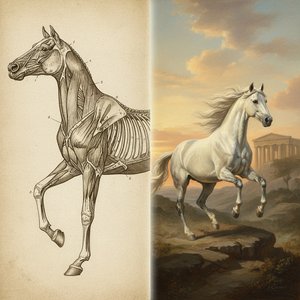
George Stubbs: Precisione Anatomica e Visione Romantica nell'Arte Britannica del XVIII Secolo
Esplora la vita e l'opera di George Stubbs, il maestro inglese dell'anatomia equina e dei ritratti animali del XVIII secolo. Approfondimenti sulla sua tecnica, influenza artistica e consigli per collezionisti.


