


 Anteprima in scala reale
 Invia
Invia Condividi
 Dettagli opera
 Guida
Guida

 Scarica
 Simili
 Radiografia
 Slideshow
 Statistiche
Cavalier


 Espandi i dettagli
Get a print-ready file that goes far beyond the web preview. Every digital image we sell comes from a high-resolution master in our stock database — usually 5,000 to 15,000 pixels wide — so you can print large, crop tightly, or reproduce fine detail with confidence.
No file leaves our studio untouched. A digital expert checks the colors against the original painting and corrects them if needed, then improves clarity and detail with professional retouching tools — always staying faithful to the artist's brushwork and style. The result is an image that looks like the painting, not like a filtered scan.
You approve before you're done: our expert sends the image by e-mail within 72 hours for your review. Not satisfied? Ask for improvements or corrections, or request a refund if the quality falls short.
This is the quality relied on by publishers, design studios, galleries and print shops.
Immagine Digitale
Scarica un file ad alta risoluzione per uso personale, per la stampa e per progetti creativi. ( Passa alle stampe Acquista il dipinto realizzato a mano)
Incluso in ogni ordine di immagini digitali
Consegna digitale professionale e garantita
Quando scegli AllPaintingsStore.com, non riceverai solo un'immagine: riceverai un'opera d'arte digitale professionalmente ottimizzata, realizzata con la massima precisione e accompagnata da una garanzia di soddisfazione. Ecco tutto ciò che include il tuo ordine, automaticamente:

Consegna rapida via email
Riceverai il file dell'immagine digitale ad alta risoluzione via email entro 72 ore dall'ordine, pronto per un uso immediato.

File digitale ottimizzato dall'IA
La tua opera d'arte viene ottimizzata professionalmente attraverso l'uso di strumenti avanzati di intelligenza artificiale e una revisione manuale, garantendo il massimo livello di dettaglio, nitidezza e accuratezza cromatica.

Riconsegna gratuita a vita
Hai eliminato o perso accidentalmente il tuo file? Non preoccuparti: te lo invieremo di nuovo in qualsiasi momento, gratuitamente.

Nessun costo di importazione, mai
Goditi la tua opera d'arte istantaneamente senza costi doganali, dazi o spese di spedizione: i download digitali sono sempre esenti da tasse.

Garanzia di fedeltà cromatica
Garantiamo che la tua immagine digitale rifletta i colori originali con la massima fedeltà, grazie all'uso di strumenti professionali e a una gestione accurata del colore.

Garanzia soddisfatti o rimborsati 100 giorni
Se non sei soddisfatto della tua immagine digitale, la revisioneremo o ti rimborseremo il 100% entro 100 giorni, senza domande.

Garanzia di rimborso al 100%
Non sei soddisfatto? Ricevi un rimborso completo entro 100 giorni dal ricevimento del tuo file digitale, senza dover fornire spiegazioni.

Sconti per ordini multipli
Acquista 3 immagini, risparmia il 10% - Acquista 5, risparmia il 15% - Acquista 10+, risparmia il 20%. Ideale per progetti creativi, gallerie e agenzie.
A Fragmented Vision: The Cubist Revolution in Braque’s Cavalier
To gaze upon Georges Braque’s "Cavalier" is to witness the very moment the mirror of traditional art was shattered and reassembled into something far more profound. Created in 1910, this masterpiece stands as a cornerstone of the Cubist movement, an era that irrevocably altered the course of Western art history. Rather than offering a mere window into a recognizable scene, Braque presents us with a deliberate dismantling of perspective. The subject—a horse and rider—is not presented as a static entity captured in a single moment of light, but as a complex arrangement of interlocking planes and geometric truths. It is an invitation to look past the surface of the world to find the structural rhythm beneath.
In this seminal work, Braque moves beyond the fleeting impressions of his predecessors to explore the concept of simultaneity. The horse's powerful form is fractured into angular segments, mirroring the rider’s posture and creating a disconcerting yet mesmerizing illusion of depth. This technique allows the viewer to experience multiple viewpoints at once, challenging the brain to reconstruct the subject from its constituent parts. For the discerning collector or interior designer, this piece offers more than just visual interest; it provides a sophisticated intellectual anchor, embodying the tension between chaos and order that defines the modern era.
The Mastery of Analytical Cubism
The technical execution of "Cavalier" reveals Braque’s profound engagement with the tactile nature of painting. Employing what is known as Analytical Cubism, Braque prioritized meticulous detail and subtle tonal gradation over expressive or flamboyant brushstrokes. His background, rooted in a family of house painters and decorators, is evident in his disciplined hand. He painstakingly rendered the musculature of the horse through precise lines and a muted palette of earthy tones, ensuring that form and structure remained the primary protagonists of the composition.
There is a remarkable materiality to this work, achieved through a layering process that suggests a rich, textured surface. By utilizing subtle shading and carefully controlled light, Braque creates a sense of weight and presence despite the abstraction of the subject. This precision transforms the canvas from a flat plane into a sculptural space where light and shadow dance in a complex embrace. For those seeking to adorn a space with art that commands attention through subtlety rather than noise, "Cavalier" serves as an exquisite example of how technical rigor can elevate abstract thought into a tangible, emotive experience.
A Legacy of Intellectual Depth and Aesthetic Grace
Beyond its stylistic innovation, "Cavalier" carries a profound philosophical weight. It reflects the early 20th-century preoccupation with the subjectivity of perception—the idea that true understanding requires acknowledging the fragmented and multifaceted nature of reality. The rider and horse are not merely figures in a landscape; they are symbols of a new way of seeing, where the boundaries between object and space begin to dissolve. This sense of movement and deconstruction creates an emotional impact that is both unsettling and deeply captivating.
Integrating a high-quality reproduction of this work into a curated collection or a contemporary interior offers a unique opportunity to celebrate the avant-garde. The painting’s subdued color palette and sophisticated geometry allow it to harmonize with a variety of modern aesthetics, from minimalist galleries to richly textured, classical rooms. Owning a piece that captures Braque's revolutionary spirit is an homage to the enduring power of human creativity and the eternal quest to redefine the limits of vision.
Domande e risposte
A quale periodo della carriera di Georges Braque appartiene "Cavalier"?
All'interno della carriera di Georges Braque, "Cavalier" appartiene al Analytical Cubism. Questa fase permette di confrontarla con le altre opere dell'artista.
Chi ha creato "Cavalier"?
"Cavalier" è attribuito a Georges Braque.
In che modo "Cavalier" bilancia luci e ombre?
I valori rilevati per "Cavalier" di Georges Braque sono: luminosità brilliant, luminanza Luminous.
Opere simili


Biografia dell'artista
**primi anni di vita e formazione**
Georges Braque, un illustre pittore francese, collageur, disegnatore, stampatore e scultore, nacque il 13 maggio 1882 ad Argenteuil, Val-d'Oise. È cresciuto a Le Havre e inizialmente si è formato per diventare pittore di facciate e decoratore come suo padre e nonno. Tuttavia, le inclinazioni artistiche di Braque lo hanno portato a studiare pittura all’École des Beaux-Arts a Le Havre dal 1897 al 1899.**evoluzione artistica e fauvismo**
Nel 1902, dopo aver completato il suo apprendistato con un decoratore a Parigi, Braque ha frequentato l'Académie Humbert fino al 1904. Questo periodo ha segnato la sua introduzione al fauvismo, uno stile caratterizzato da colori vivaci e risposte emotive. Influenzato dalle opere di Henri Matisse e André Derain, Braque ha adottato un approccio fauvista, come si può vedere nel suo dipinto La Pazienza (fauvismo, olio su tela).**contributo al cubismo**
La collaborazione di Braque con Pablo Picasso dal 1908 al 1912 ha portato allo sviluppo del cubismo. Le loro opere cubiste analitiche, come Georges Braque: La Pazienza e Pablo Picasso: Clarinet(cubismo analitico, olio su tela), sono oggi considerate pietre miliari della storia dell'arte.**eredità e opere notevoli**
* Le Case all’Éstaque: una testimonianza dell'uso innovativo di geometria e prospettiva simultanea da parte di Braque. * La Pazienza(fauvismo, olio su tela): dimostra lo stile fauvista di Braque. * Clarinet(cubismo analitico, olio su tela): un'opera cubista collaborativa con Picasso.**musei e collezioni**
* Musée d’Orsay: presenta una vasta collezione di arte impressionista e post-impressionista, inclusi lavori di Braque. * Musée de l’Orangerie: espone una vasta gamma di opere d'arte, inclusi quelle di Braque e altri artisti notevoli.- Scopri di più sulla vita e sull'opera di Georges Braque su AllPaintingsStore.com
- Esplora la collezione del Musée d’Orsay, che include opere di Braque e altri artisti, su Musée d'Orsay - Wikipedia
- Impara di più sul fauvismo e sulla sua influenza sullo sviluppo del cubismo con Fauvismo - movimento artistico su AllPaintingsStore.com
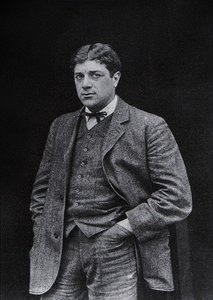
Georges Braque
1882 - 1963 , Francia
Informazioni essenziali
- Artisti Influenti:
- Henri Matisse
- André Derain
- Paul Cézanne
- Artisti Influenzati: ['Pablo Picasso']
- Data Di Nascita: 13 maggio 1882
- Luogo Di Nascita: Argenteuil, Francia
- Movimento Artistico: Cubismo, Fauvismo
- Nazionalità: Francese
- Nome Completo: Georges Braque
- Opere Notevoli:
- Case a L'Estaque
- La Pazienza (fauvista)
- Chitarra, Frutta e Brocca
- Natura morta con Bass

