


 Anteprima in scala reale
 Condividi
 Condividi
 Dettagli
 Guida stampabile

 Scarica
 Articoli simili
 Radiografia
 Slideshow
 Statistiche
The Studio (III)
 Oil On Canvas
- WallArt
- Cubist Still Life
 1949
1949- Modern
 144.0 x 174.0 cm
 Leggi tutto
L'opera d'arte visualizzata in questa pagina è protetta dalle leggi sul diritto d'autore, il che significa che non possiamo legalmente creare o vendere una riproduzione identica. Tale protezione è garantita da accordi internazionali quali la Convenzione di Berna e dalle leggi nazionali, incluse quelle stabilite da Legge sul copyright degli Stati Uniti - Titolo 17. Tutti i diritti riservati. Le immagini presenti su questo sito sono protette da copyright e non possono essere riprodotte o utilizzate senza l'autorizzazione scritta di WahooArt.com o dei rispettivi proprietari del copyright.
Come alternativa rispettosa e legale, offriamo opere d'arte personalizzate e dipinte a mano, ispirate all'originale. I nostri artisti esperti e professionisti studiano con cura lo stile, l'atmosfera e l'essenza artistica dell'opera originale per creare un pezzo nuovo e unico che evochi la stessa emozione, pur rimanendo una creazione originale a pieno titolo.
Questo metodo è pienamente conforme alle normative sul diritto d'autore poiché non prevede la copia o la duplicazione dell'opera protetta. Si tratta invece di una rielaborazione creativa: un nuovo dipinto che trae ispirazione dall'originale, senza tuttavia esserne identico.
Riproduzione a olio fatta a mano
Olio su tela dipinto a mano nelle tue dimensioni e con la tua cornice, realizzato su ordinazione dai nostri artisti. ( Passa alle stampe Passa all'immagine digitale)




P118B €10

P118H €10

P118W €10

P438Z €10

P508JH €12

P508YH €12

P805H €10

P805Z €10

P919BZ €10

P919G €10

P919XJ €10

P959ZH €10

P968JZ €12

W106C €8

W218G €10

W218JH €8

W218Y €10

W307PJ €10

W316G €10

W316PJ €8

W316Y €10

W398PJ €8

W4111J €10

W500HY €15

W500JH €15

W692G €12

W849H €8

W940BG €15

W953PJ €8




Scegli tra le nostre dimensioni predefinite, che rispettano le proporzioni originali dell'opera d'arte.

È possibile inserire dimensioni personalizzate per adattare l'opera a una cornice o a uno spazio specifico. Se la dimensione selezionata non corrisponde alle proporzioni dell'immagine originale, provvederemo a ritagliare l'opera o a estendere il dipinto con elementi aggiuntivi dipinti a mano. Un mockup digitale ti sarà inviato per approvazione prima dell'inizio della produzione.
Si prega di notare che l'anteprima a schermo non riflette il ritaglio o l'estensione effettivi. Solo il mockup mostrerà accuratamente la composizione finale.
Sebbene siano disponibili dimensioni personalizzate, consigliamo di selezionare una dimensione dall'elenco predefinito per preservare le proporzioni originali.
Dopo l'ordine, il team di AllPaintingsStore.com contatterà il cliente via e-mail per ricevere le istruzioni e fornirà un'anteprima del mockup
Consegna in tutto il mondo () in 3/4 settimane anziché nelle normali 5 settimane. (11 Ottobre). Nessun compromesso sulla qualità.

Spedizione espressa gratuita in tutto il mondo

Tela in lino di alta qualità

Assicurazione completa sulla spedizione

Garanzia di rimborso dei dazi doganali

Garanzia di perfetta fedeltà cromatica

Politica di reso entro 100 giorni (solo per difetti di fabbricazione)

Garanzia di rimborso al 100%

Sconto per acquisti multipli
 L'opzione vetro è disponibile solo per dimensioni inferiori a 110 cm

The Studio (III)
Tecnica di riproduzione
Dimensioni della riproduzione
-


Prezzo totale
€ 222
Georges Braque’s “The Studio (III)” – A Fragmented Reflection of Artistic Innovation
“The Studio (III),” painted in 1949 by Georges Braque, stands as a cornerstone of Cubist aesthetics and a poignant emblem of the artist's evolving exploration of form and perception during his mature period. More than just a depiction of a workspace—a room filled with tools and objects—the painting delves into the complexities of artistic creation itself, presenting a deliberately fractured vision that mirrors the process of intellectual and visual experimentation central to Braque’s groundbreaking style. This detailed analysis aims to illuminate not only the artwork's technical prowess but also its profound symbolic resonance within the broader context of 20th-century art history.A Cubist Exploration of Space and Materiality
Braque’s masterful application of Cubism is immediately apparent. Unlike Impressionistic renderings that prioritize fleeting impressions of light and color, “The Studio (III)” employs geometric planes—primarily rectangular and angular—to reconstruct the subject matter in multiple perspectives simultaneously. The chair, table, window, knives, and clock are not presented as unified entities but rather dissected into fragmented shapes that overlap and intersect, creating a sense of spatial ambiguity characteristic of Cubism’s revolutionary approach. This technique wasn't merely stylistic; it represented Braque’s conviction that visual representation could capture the essence of an object by conveying its underlying structure—a departure from traditional illusionistic painting. The muted palette – predominantly browns, ochres and creams – reinforces this emphasis on materiality and contributes to a contemplative atmosphere.The Significance of Still Life as Conceptual Canvas
Still life had been explored before Braque’s time, but he transformed it into something radically new. Rather than aiming for realistic representation, Braque utilized the stillness of the studio setting to contemplate the very act of artistic endeavor. The scattered knives symbolize the artist's tools—instruments of creation and destruction—while simultaneously hinting at the disruptive force inherent in innovative thought. The clock serves as a reminder of time passing, mirroring the relentless pursuit of artistic perfection and highlighting the cyclical nature of creative process. These objects aren’t merely present; they are actively engaged in defining the composition and conveying an emotional state of focused observation.Historical Context: Picasso's Influence and Artistic Dialogue
“The Studio (III)” emerged during a period of intense artistic collaboration between Braque and Pablo Picasso, marking a pivotal moment in the development of Cubism. Their partnership spurred each artist to push boundaries and challenge conventions, resulting in works that profoundly influenced subsequent generations of painters. While Picasso initially championed Analytic Cubism—characterized by flattened planes and monochromatic color—Braque embraced Synthetic Cubism, incorporating collage elements and brighter hues into his canvases. This stylistic divergence underscored the dynamism of artistic discourse within Paris’s avant-garde circles during the late 1940s, demonstrating how artists could engage in productive dialogue while maintaining distinct visual vocabularies.Emotional Resonance: Quiet Contemplation and Artistic Integrity
Despite its geometric complexity, “The Studio (III)” exudes a palpable sense of calm introspection. The subdued lighting and muted colors contribute to an atmosphere of quiet contemplation—reflecting the artist’s engagement with his craft and conveying a profound appreciation for visual form. More than just a depiction of a physical space, the painting embodies Braque's unwavering commitment to artistic integrity—a refusal to compromise on stylistic innovation in favor of conventional realism. It invites viewers to consider not only what is seen but also how it is perceived, prompting reflection on the transformative power of art and its ability to capture the essence of human experience.- Artist: Georges Braque
- Year: 1949
- Style: Cubism
- Medium: Oil on Canvas
- Dimensions: 51 1/4 × 29 1/8 in. (130.2 × 74 cm)
Domande e risposte
In che anno è stata realizzata "The Studio (III)"?
"The Studio (III)" di Georges Braque è stata creata nel 1949.
Quanti anni aveva Georges Braque quando ha creato "The Studio (III)" nel 1949?
Georges Braque aveva 67 anni quando ha creato "The Studio (III)" nel 1949. L'età è calcolata sulla base dell'anno di nascita dell'artista, 1882.
I colori di "The Studio (III)" di Georges Braque sono vivaci o tenui?
Il colore di "The Studio (III)" presenta una saturazione di Subtle Color e un'intensità di Monochromatic.
Quale artista e quale stile si celano dietro "The Studio (III)"?
"The Studio (III)" è stata creata da Georges Braque in stile Cubist Still Life. L'artista e il movimento identificano la tradizione dell'opera.
Chi è l'artista dietro "The Studio (III)"?
"The Studio (III)" è attribuito a Georges Braque.
A quale epoca risale "The Studio (III)"?
"The Studio (III)" di Georges Braque risale al periodo Modern. Tale epoca fornisce il contesto storico dell'opera.
Chi vende copie dipinte a mano di "The Studio (III)" di Georges Braque?
Puoi ordinare una riproduzione dipinta a mano di "The Studio (III)" di Georges Braque direttamente su questa pagina: una riproduzione a olio dipinta a mano su tela di lino, realizzata su ordinazione.
Opere correlate


Biografia dell'artista
**primi anni di vita e formazione**
Georges Braque, un illustre pittore francese, collageur, disegnatore, stampatore e scultore, nacque il 13 maggio 1882 ad Argenteuil, Val-d'Oise. È cresciuto a Le Havre e inizialmente si è formato per diventare pittore di facciate e decoratore come suo padre e nonno. Tuttavia, le inclinazioni artistiche di Braque lo hanno portato a studiare pittura all’École des Beaux-Arts a Le Havre dal 1897 al 1899.**evoluzione artistica e fauvismo**
Nel 1902, dopo aver completato il suo apprendistato con un decoratore a Parigi, Braque ha frequentato l'Académie Humbert fino al 1904. Questo periodo ha segnato la sua introduzione al fauvismo, uno stile caratterizzato da colori vivaci e risposte emotive. Influenzato dalle opere di Henri Matisse e André Derain, Braque ha adottato un approccio fauvista, come si può vedere nel suo dipinto La Pazienza (fauvismo, olio su tela).**contributo al cubismo**
La collaborazione di Braque con Pablo Picasso dal 1908 al 1912 ha portato allo sviluppo del cubismo. Le loro opere cubiste analitiche, come Georges Braque: La Pazienza e Pablo Picasso: Clarinet(cubismo analitico, olio su tela), sono oggi considerate pietre miliari della storia dell'arte.**eredità e opere notevoli**
* Le Case all’Éstaque: una testimonianza dell'uso innovativo di geometria e prospettiva simultanea da parte di Braque. * La Pazienza(fauvismo, olio su tela): dimostra lo stile fauvista di Braque. * Clarinet(cubismo analitico, olio su tela): un'opera cubista collaborativa con Picasso.**musei e collezioni**
* Musée d’Orsay: presenta una vasta collezione di arte impressionista e post-impressionista, inclusi lavori di Braque. * Musée de l’Orangerie: espone una vasta gamma di opere d'arte, inclusi quelle di Braque e altri artisti notevoli.- Scopri di più sulla vita e sull'opera di Georges Braque su AllPaintingsStore.com
- Esplora la collezione del Musée d’Orsay, che include opere di Braque e altri artisti, su Musée d'Orsay - Wikipedia
- Impara di più sul fauvismo e sulla sua influenza sullo sviluppo del cubismo con Fauvismo - movimento artistico su AllPaintingsStore.com
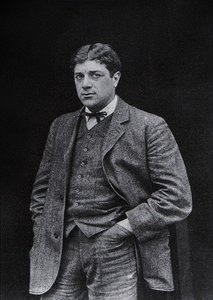
Georges Braque
1882 - 1963 , Francia
Informazioni rapide
- Artisti Influenti:
- Henri Matisse
- André Derain
- Paul Cézanne
- Artisti Influenzati: ['Pablo Picasso']
- Data Di Nascita: 13 maggio 1882
- Luogo Di Nascita: Argenteuil, Francia
- Movimento Artistico: Cubismo, Fauvismo
- Nazionalità: Francese
- Nome Completo: Georges Braque
- Opere Notevoli:
- Case a L'Estaque
- La Pazienza (fauvista)
- Chitarra, Frutta e Brocca
- Natura morta con Bass
Articoli correlati

Cubismo: I 10 Capolavori Che Hanno Rivoluzionato l'Arte Moderna | AllPaintingsStore
Esplora i 10 capolavori del Cubismo con AllPaintingsStore. Scopri Picasso, Braque e Gris e la rivoluzione artistica delle forme geometriche e dei colori audaci. Quadri iconici per decorare casa con stile! Esplora la collezione online.
Georges Braque: I 25 Capolavori che Hanno Rivoluzionato l'Arte Moderna | AllPaintingsStore
Esplora i 25 capolavori di Georges Braque, pioniere del Cubismo. Scopri la storia, le tecniche e l'impatto di opere iconiche come 'The Patience'. Trova riproduzioni d'arte di alta qualità per decorare casa tua su AllPaintingsStore.com.

Cubism Explained: How Picasso and Braque Shattered Reality to Redefine Modern Art
Master the complexities of Cubism with our expert guide. Explore how Picasso and Braque revolutionized modern art through fragmentation, multiple perspectives, and geometric innovation. Perfect for art students and collectors seeking deep historical insight.

Cubism Unveiled: How Picasso and Braque Redefined Reality Through Geometric Abstraction
Explore the revolutionary world of Cubism. Discover how masters Pablo Picasso and Georges Braque dismantled reality through geometric abstraction to redefine modern art history.

Cubism Unveiled: How Picasso and Braque Redefined Modern Art through Geometric Revolution
Explore the revolutionary world of Cubism. Discover how Pablo Picasso and Georges Braque dismantled perspective to redefine modern art through geometric innovation and analytical mastery. An essential guide for art students, collectors, and history enthusiasts.


