


 Anteprima in scala reale
 Invia
Invia Condividi
 Dettagli opera

 Scarica immagine
 Simili
 Radiografia
 Slideshow
Three Birds and Landscape


 Espandi i dettagli
Giclée / Stampe d'arte
Stampa giclée o su tela di qualità museale, con produzione rapida e diverse opzioni di finitura. ( Acquista il dipinto realizzato a mano Acquista immagine)




P118B $10

P118H $10

P118W $10

P438Z $10

P508JH $12

P508YH $12

P805H $10

P805Z $10

P919BZ $10

P919G $10

P919XJ $10

P959ZH $10

P968JZ $12

W106C $8

W218G $10

W218JH $8

W218Y $10

W307PJ $10

W316G $10

W316PJ $8

W316Y $10

W398PJ $8

W4111J $10

W500HY $15

W500JH $15

W692G $12

W849H $8

W940BG $15

W953PJ $8




Scegli tra le nostre dimensioni predefinite, che rispettano le proporzioni originali dell'opera d'arte.

È possibile inserire dimensioni personalizzate per adattare l'opera a una cornice o a uno spazio specifico. Se la dimensione selezionata non corrisponde alle proporzioni dell'immagine originale, procederemo al ritaglio dell'opera o all'estensione dell'immagine con un bordo specchiato o a tinta unita. Un mockup digitale ti verrà inviato per approvazione prima dell'inizio della produzione.
Si prega di notare che l'anteprima a schermo non riflette il ritaglio o l'estensione effettivi. Solo il mockup mostrerà accuratamente la composizione finale.
Sebbene siano disponibili dimensioni personalizzate, si raccomanda di selezionare una dimensione dall'elenco predefinito per preservare le proporzioni originali.
Consegna in tutto il mondo () in 2 settimane invece delle normali 4/5 settimane. (25 Agosto)

Spedizione espressa gratuita in tutto il mondo

Tela in lino di alta qualità

Assicurazione completa sulla spedizione

Garanzia di rimborso dei dazi doganali

Garanzia di fedeltà cromatica

Politica di reso entro 60 giorni (solo per difetti di fabbricazione)

Garanzia di rimborso al 100%

Offerta per acquisti multipli
 L'opzione vetro è disponibile solo per dimensioni inferiori a 110 cm

Three Birds and Landscape
Giclée / Stampe d'arte
Dimensioni riproduzione
-


Prezzo totale calcolato
$ 64
Descrizione del pezzo
Georges Braque’s ‘Three Birds and Landscape’: A Study in Cubist Fragmentation
Georges Braque's “Three Birds and Landscape” offers a compelling glimpse into the nascent stages of Cubism, a movement that would fundamentally alter the course of modern art. Painted around the early 20th century – a period of intense experimentation and intellectual ferment – this work exemplifies Braque’s meticulous approach to dissecting and reassembling visual reality. The painting isn't merely a depiction of birds in flight; it’s an exploration of perception itself, a challenge to traditional notions of representation. Notice the deliberate fragmentation of form, particularly evident in the angular rendering of the birds and the landscape elements. This technique, born from Braque’s collaboration with Pablo Picasso, sought to represent objects from multiple viewpoints simultaneously, creating a dynamic and multi-dimensional image.
- Subject Matter: The central focus is undeniably the trio of birds, their wings outstretched in a moment of apparent freedom. However, this natural subject matter is treated with an almost analytical eye, broken down into geometric shapes and planes.
- Landscape Context: The background landscape provides not just depth but also reinforces the Cubist principles. It’s not a realistic depiction of a scene; rather, it's a constructed space composed of overlapping planes and fragmented forms.
- Added Elements: The inclusion of two boats – one subtly positioned in the upper left corner and another towards the lower right – adds an intriguing layer to the composition. These elements could represent human intervention within nature, or perhaps symbolize the fleeting nature of observation itself.
Technique and Materials: Braque’s Pioneering Approach
Braque's mastery of technique is immediately apparent in “Three Birds and Landscape.” He employed a predominantly monochromatic palette – likely browns, ochres, and grays – characteristic of the period, allowing him to concentrate on formal concerns rather than coloristic effects. The painting was executed with oil paints, applied with meticulous brushwork that reveals both precision and a willingness to embrace textural irregularities. Crucially, Braque’s process involved building up layers of paint, creating a palpable sense of depth and volume despite the fragmented forms. This layering technique, combined with his use of *alla prima* (wet-on-wet) painting, allowed him to capture the fleeting effects of light and shadow within the complex geometric structure.
- Geometric Precision: The artist’s focus on precise angles and planes is a hallmark of Cubism.
- Layered Application: Multiple layers of paint create depth and complexity.
- Monochromatic Palette: The subdued color scheme emphasizes form over color.
Historical Context and the Rise of Cubism
"Three Birds and Landscape" was created during a pivotal moment in art history – the birth of Cubism. Emerging in Paris around 1907, Cubism rejected traditional perspective and representation, instead seeking to depict objects from multiple viewpoints simultaneously. Braque’s work is considered one of the earliest examples of this revolutionary style, alongside Picasso's “Les Demoiselles d’Avignon.” The movement was influenced by Paul Cézanne’s emphasis on geometric forms in nature and a growing dissatisfaction with the limitations of academic realism. Braque’s exploration of these ideas paved the way for subsequent developments in abstract art, profoundly impacting artists across various disciplines.
Symbolic Resonance and Emotional Impact
Beyond its formal innovations, “Three Birds and Landscape” possesses a subtle emotional resonance. The birds, soaring freely against the fragmented landscape, evoke a sense of aspiration and liberation – themes frequently explored by modern artists seeking to redefine human experience. The painting’s deliberate ambiguity invites contemplation about our relationship with nature, perception, and the very act of seeing. It's a work that rewards close observation, revealing layers of meaning within its seemingly simple composition. This reproduction offers an opportunity to bring this seminal piece into your space, allowing you to appreciate Braque’s groundbreaking vision firsthand.
Opere simili


Biografia dell'artista
**primi anni di vita e formazione**
Georges Braque, un illustre pittore francese, collageur, disegnatore, stampatore e scultore, nacque il 13 maggio 1882 ad Argenteuil, Val-d'Oise. È cresciuto a Le Havre e inizialmente si è formato per diventare pittore di facciate e decoratore come suo padre e nonno. Tuttavia, le inclinazioni artistiche di Braque lo hanno portato a studiare pittura all’École des Beaux-Arts a Le Havre dal 1897 al 1899.**evoluzione artistica e fauvismo**
Nel 1902, dopo aver completato il suo apprendistato con un decoratore a Parigi, Braque ha frequentato l'Académie Humbert fino al 1904. Questo periodo ha segnato la sua introduzione al fauvismo, uno stile caratterizzato da colori vivaci e risposte emotive. Influenzato dalle opere di Henri Matisse e André Derain, Braque ha adottato un approccio fauvista, come si può vedere nel suo dipinto La Pazienza (fauvismo, olio su tela).**contributo al cubismo**
La collaborazione di Braque con Pablo Picasso dal 1908 al 1912 ha portato allo sviluppo del cubismo. Le loro opere cubiste analitiche, come Georges Braque: La Pazienza e Pablo Picasso: Clarinet(cubismo analitico, olio su tela), sono oggi considerate pietre miliari della storia dell'arte.**eredità e opere notevoli**
* Le Case all’Éstaque: una testimonianza dell'uso innovativo di geometria e prospettiva simultanea da parte di Braque. * La Pazienza(fauvismo, olio su tela): dimostra lo stile fauvista di Braque. * Clarinet(cubismo analitico, olio su tela): un'opera cubista collaborativa con Picasso.**musei e collezioni**
* Musée d’Orsay: presenta una vasta collezione di arte impressionista e post-impressionista, inclusi lavori di Braque. * Musée de l’Orangerie: espone una vasta gamma di opere d'arte, inclusi quelle di Braque e altri artisti notevoli.- Scopri di più sulla vita e sull'opera di Georges Braque su AllPaintingsStore.com
- Esplora la collezione del Musée d’Orsay, che include opere di Braque e altri artisti, su Musée d'Orsay - Wikipedia
- Impara di più sul fauvismo e sulla sua influenza sullo sviluppo del cubismo con Fauvismo - movimento artistico su AllPaintingsStore.com
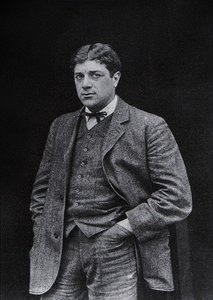
Georges Braque
1882 - 1963 , Francia
Dati rapidi
- Artisti Influenti:
- Henri Matisse
- André Derain
- Paul Cézanne
- Artisti Influenzati: ['Pablo Picasso']
- Data Di Nascita: 13 maggio 1882
- Luogo Di Nascita: Argenteuil, Francia
- Movimento Artistico: Cubismo, Fauvismo
- Nazionalità: Francese
- Nome Completo: Georges Braque
- Opere Notevoli:
- Case a L'Estaque
- La Pazienza (fauvista)
- Chitarra, Frutta e Brocca
- Natura morta con Bass
Articoli correlati

Tranquil Countryside Paintings: A Professional Procurement Guide to Landscape Decor for Hotels and Corporate Offices
Elevate hospitality interiors with tranquil landscape paintings. APS offers professional procurement of hand-painted oil reproductions, multi-panel sets, and custom murals for hotels and offices. Reliable global shipping, bulk ordering, and digital mockups for seamless design execution.


