


 Anteprima in scala reale
 Condividi
 Condividi
 Dettagli

 Scarica immagine
 Articoli simili
 Radiografia
 Slideshow
Yellow Seacoast


 Leggi tutto
Riproduzione a olio fatta a mano
Olio su tela dipinto a mano nelle tue dimensioni e con la tua cornice, realizzato su ordinazione dai nostri artisti. ( Ordina stampa Acquista download)




P118B $10

P118H $10

P118W $10

P438Z $10

P508JH $12

P508YH $12

P805H $10

P805Z $10

P919BZ $10

P919G $10

P919XJ $10

P959ZH $10

P968JZ $12

W106C $8

W218G $10

W218JH $8

W218Y $10

W307PJ $10

W316G $10

W316PJ $8

W316Y $10

W398PJ $8

W4111J $10

W500HY $15

W500JH $15

W692G $12

W849H $8

W940BG $15

W953PJ $8




Scegli tra le nostre dimensioni predefinite, che rispettano le proporzioni originali dell'opera d'arte.

È possibile inserire dimensioni personalizzate per adattare l'opera a una cornice o a uno spazio specifico. Se la dimensione selezionata non corrisponde alle proporzioni dell'immagine originale, provvederemo a ritagliare l'opera o a estendere il dipinto con elementi aggiuntivi dipinti a mano. Un mockup digitale ti sarà inviato per approvazione prima dell'inizio della produzione.
Si prega di notare che l'anteprima a schermo non riflette il ritaglio o l'estensione effettivi. Solo il mockup mostrerà accuratamente la composizione finale.
Sebbene siano disponibili dimensioni personalizzate, consigliamo di selezionare una dimensione dall'elenco predefinito per preservare le proporzioni originali.
Dopo l'ordine, il team di AllPaintingsStore.com contatterà il cliente via e-mail per le istruzioni e fornirà un'anteprima del mockup
Consegna in tutto il mondo () in 3/4 settimane anziché nelle normali 5 settimane. (22 Agosto). Nessun compromesso sulla qualità.

Spedizione espressa gratuita in tutto il mondo

Tela in lino di alta qualità

Assicurazione completa sulla spedizione

Garanzia di rimborso dei dazi doganali

Garanzia di fedeltà cromatica dell'originale

Politica di reso entro 60 giorni (solo per difetti di fabbricazione)

Garanzia di rimborso al 100%

Sconto per acquisti multipli
 L'opzione vetro è disponibile solo per dimensioni inferiori a 110 cm

Yellow Seacoast
Tecnica di riproduzione
Dimensioni della riproduzione
-


Prezzo totale
$ 258
Descrizione dell'opera
A Symphony of Cubism and Coastal Tranquility
In the quiet evolution of modern art, few works capture the delicate balance between structural revolution and serene observation as masterfully as Georges Braque’s Yellow Seacoast. This evocative seascape serves as a window into a pivotal moment in art history, where the boundaries of traditional representation began to dissolve. At first glance, the viewer is greeted by a tranquil ocean surface, dotted with several boats adrift upon the gentle swells. The composition is anchored by a prominent yellow boat that acts as a radiant focal point, standing out against the more muted tones of the surrounding water. As the eye wanders across the canvas, one might notice smaller vessels and the subtle presence of figures near the shoreline, all rendered through a lens that prioritizes the essence of the scene over mere photographic accuracy.
The technique employed in this masterpiece is a profound testament to the birth of Cubism. Moving away from the fleeting, light-drenched impressions of the Impressionist era, Braque utilizes fragmented geometric forms and multiple perspectives to dismantle the traditional view of space. Through this method, the artist explores the underlying structure of the coastal landscape, creating a rhythmic interplay between light and shadow. The palette is a sophisticated arrangement of earthy tones—ochre yellows, deep browns, and calming blues—which work in harmony to create an atmosphere of understated elegance. This deliberate use of color and form allows the painting to transcend simple depiction, offering instead a complex spatial relationship that invites the viewer to reconstruct the scene within their own mind.
Historical Resonance and Symbolic Depth
Painted during the transformative years of 1907-1908, Yellow Seacoast emerged from the fertile ground of Braque’s collaboration with Pablo Picasso. This period was marked by a radical departure from the past, heavily influenced by the structural explorations of Paul Cézanne. By deconstructing the landscape into its fundamental components, Braque participated in a quiet revolution that would redefine the trajectory of 20th-century art. The historical weight of this piece lies in its role as a precursor to the more analytical stages of Cubism, capturing the very moment when the artist began to question how we perceive reality and the stability of the objects within our field of vision.
Beyond its technical brilliance, the painting is rich with symbolic resonance. The vibrant yellow boat is not merely a subject but a symbol of optimism and vitality, providing a spark of life against the vast, contemplative backdrop of the sea. The interplay of colors carries deep emotional weight; the warm ochres evoke a sense of nostalgia and warmth, while the blues instill a mood of profound calmness and introspection. For the collector or interior designer, this artwork offers more than just visual beauty; it provides an emotional anchor. It is a piece that invites quiet reflection, making it an ideal centerpiece for spaces designed for contemplation, peace, and a deep connection with the natural world.
Opere correlate


Biografia dell'artista
**primi anni di vita e formazione**
Georges Braque, un illustre pittore francese, collageur, disegnatore, stampatore e scultore, nacque il 13 maggio 1882 ad Argenteuil, Val-d'Oise. È cresciuto a Le Havre e inizialmente si è formato per diventare pittore di facciate e decoratore come suo padre e nonno. Tuttavia, le inclinazioni artistiche di Braque lo hanno portato a studiare pittura all’École des Beaux-Arts a Le Havre dal 1897 al 1899.**evoluzione artistica e fauvismo**
Nel 1902, dopo aver completato il suo apprendistato con un decoratore a Parigi, Braque ha frequentato l'Académie Humbert fino al 1904. Questo periodo ha segnato la sua introduzione al fauvismo, uno stile caratterizzato da colori vivaci e risposte emotive. Influenzato dalle opere di Henri Matisse e André Derain, Braque ha adottato un approccio fauvista, come si può vedere nel suo dipinto La Pazienza (fauvismo, olio su tela).**contributo al cubismo**
La collaborazione di Braque con Pablo Picasso dal 1908 al 1912 ha portato allo sviluppo del cubismo. Le loro opere cubiste analitiche, come Georges Braque: La Pazienza e Pablo Picasso: Clarinet(cubismo analitico, olio su tela), sono oggi considerate pietre miliari della storia dell'arte.**eredità e opere notevoli**
* Le Case all’Éstaque: una testimonianza dell'uso innovativo di geometria e prospettiva simultanea da parte di Braque. * La Pazienza(fauvismo, olio su tela): dimostra lo stile fauvista di Braque. * Clarinet(cubismo analitico, olio su tela): un'opera cubista collaborativa con Picasso.**musei e collezioni**
* Musée d’Orsay: presenta una vasta collezione di arte impressionista e post-impressionista, inclusi lavori di Braque. * Musée de l’Orangerie: espone una vasta gamma di opere d'arte, inclusi quelle di Braque e altri artisti notevoli.- Scopri di più sulla vita e sull'opera di Georges Braque su AllPaintingsStore.com
- Esplora la collezione del Musée d’Orsay, che include opere di Braque e altri artisti, su Musée d'Orsay - Wikipedia
- Impara di più sul fauvismo e sulla sua influenza sullo sviluppo del cubismo con Fauvismo - movimento artistico su AllPaintingsStore.com

Georges Braque
1882 - 1963 , Francia
Informazioni rapide
- Artisti Influenti:
- Henri Matisse
- André Derain
- Paul Cézanne
- Artisti Influenzati: ['Pablo Picasso']
- Data Di Nascita: 13 maggio 1882
- Luogo Di Nascita: Argenteuil, Francia
- Movimento Artistico: Cubismo, Fauvismo
- Nazionalità: Francese
- Nome Completo: Georges Braque
- Opere Notevoli:
- Case a L'Estaque
- La Pazienza (fauvista)
- Chitarra, Frutta e Brocca
- Natura morta con Bass
Articoli correlati
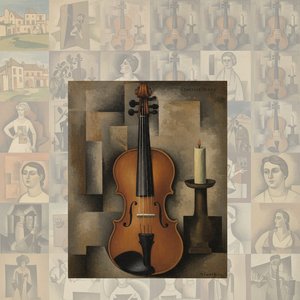
Georges Braque: I 25 Capolavori che Hanno Rivoluzionato l'Arte Moderna | AllPaintingsStore
Esplora i 25 capolavori di Georges Braque, pioniere del Cubismo. Scopri la storia, le tecniche e l'impatto di opere iconiche come 'The Patience'. Trova riproduzioni d'arte di alta qualità per decorare casa tua su AllPaintingsStore.com.
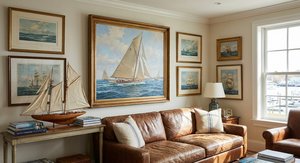
Le Barche nell'Arte: 10 Capolavori per un Viaggio Visivo Unico
Scopri 10 capolavori dell'arte che celebrano le barche! Da Monet a Manet, esplora la storia, i colori e il simbolismo di opere iconiche. Trova riproduzioni artistiche di alta qualità per decorare casa tua su AllPaintingsStore.com.

Giclée Prints: Archival Quality & Aesthetic Nuances for the Discerning Collector
Explore the world of giclée prints with AllPaintingsStore. Learn about archival quality, aesthetic nuances & investment potential. Expert guidance for discerning art collectors seeking museum-quality reproductions and lasting value.

Cubism Unveiled: How Picasso and Braque Redefined Modern Art through Geometric Revolution
Explore the revolutionary world of Cubism. Discover how Pablo Picasso and Georges Braque dismantled perspective to redefine modern art through geometric innovation and analytical mastery. An essential guide for art students, collectors, and history enthusiasts.

The Allure of the Horizon: A Comprehensive Exploration of Seascape Art Through History & Emotion
Explore the captivating world of seascape art! Discover its history, key artists & movements – from Dutch Masters to Impressionism. Expert insights for collectors and enthusiasts at AllPaintingsStore.


