


 Anteprima in scala reale
 Invia
Invia Condividi
 Dettagli opera
 Guida
Guida

 Scarica
 Simili
 Radiografia
 Slideshow
 Domande e risposte
 Statistiche
Sometimes the road is Beautiful


 Espandi i dettagli
L'opera d'arte visualizzata in questa pagina è protetta dalle leggi sul diritto d'autore, il che significa che non possiamo legalmente creare o vendere una riproduzione identica. Tale protezione è garantita da accordi internazionali quali la Convenzione di Berna e dalle leggi nazionali, incluse quelle stabilite da Legge sul copyright degli Stati Uniti - Titolo 17. Tutti i diritti riservati. Le immagini presenti su questo sito sono protette da copyright e non possono essere riprodotte o utilizzate senza l'autorizzazione scritta di WahooArt.com o dei rispettivi proprietari del copyright.
Questo metodo è pienamente conforme alle normative sul diritto d'autore poiché non prevede la copia o la duplicazione dell'opera protetta. Si tratta invece di una rielaborazione creativa: un nuovo dipinto che trae ispirazione dall'originale, senza tuttavia esserne identico.
Giclée / Stampe d'arte
Stampa giclée o su tela di qualità museale, con produzione rapida e diverse opzioni di finitura. ( Acquista il dipinto realizzato a mano Passa all'immagine digitale)




P118B €10

P118H €10

P118W €10

P438Z €10

P508JH €12

P508YH €12

P805H €10

P805Z €10

P919BZ €10

P919G €10

P919XJ €10

P959ZH €10

P968JZ €12

W106C €8

W218G €10

W218JH €8

W218Y €10

W307PJ €10

W316G €10

W316PJ €8

W316Y €10

W398PJ €8

W4111J €10

W500HY €15

W500JH €15

W692G €12

W849H €8

W940BG €15

W953PJ €8




Scegli tra le nostre dimensioni predefinite, che rispettano le proporzioni originali dell'opera d'arte.

Inserisci la larghezza e l'altezza desiderate, per adattarle alla tua cornice o alla tua parete. Una stampa può essere solo ritagliata, mai resa più grande dell'immagine originale; pertanto, un formato con una forma differente comporterà la perdita di una parte dell'opera. Ti invieremo un mockup digitale da approvare prima di procedere con la stampa. L'immagine mostrata in questa pagina non rappresenta il ritaglio reale — solo il mockup lo mostra.
Consegna in tutto il mondo () in 2 settimane invece delle normali 4/5 settimane. (4 Novembre)

Spedizione espressa gratuita in tutto il mondo

Tela in lino di alta qualità

Assicurazione completa sulla spedizione

Garanzia di rimborso dei dazi doganali

Garanzia di fedeltà cromatica assoluta

Politica di reso entro 100 giorni (solo per difetti di fabbricazione)

Garanzia di rimborso al 100%

Offerta per acquisti multipli
 L'opzione vetro è disponibile solo per dimensioni inferiori a 110 cm

Sometimes the road is Beautiful
Giclée / Stampe d'arte
Dimensioni riproduzione
-


Prezzo finale calcolato
€ 58
A Haunting Meditation on Resilience
In the quiet, somber depths of Georges Rouault’s “Sometimes the road is Beautiful,” viewers are invited into a visceral exploration of the human condition. Rendered in a hauntingly evocative grayscale, this artwork transcends mere visual representation to become a profound meditation on suffering and the enduring strength of the spirit. The scene presents a stark, emotionally charged landscape where a group of figures huddle together against an indistinct backdrop under a heavy, cloudy sky. There is a palpable sense of melancholy within the composition, yet beneath the surface of despair lies a testament to the dignity found in shared experience and the resilience required to navigate life's most turbulent paths.
The emotional weight of the piece is carried by its masterful use of contrast and form. Rouault employs thick, assertive lines that pulsate with an almost rhythmic energy, delineating the figures and the landscape with uncompromising conviction. These are not delicate strokes; they are rough, expressive, and heavy, creating a sense of urgency that mirrors the anxieties of the era in which it was conceived. The composition utilizes a horizontal format where the background dominates, yet the clustering of bodies in the foreground creates a feeling of both unity and confinement. This tension between the vast, empty sky and the huddled, overlapping forms suggests a community bound together by their vulnerability.
The Artistry of Light and Shadow
Drawing deeply from his early training as a glass painter, Rouault utilizes a technique reminiscent of medieval stained glass artistry. Even within this monochromatic palette of blacks, whites, and varying shades of gray, there is a masterful manipulation of tonal contrast. The artist uses dark, heavy contours to frame lighter fields, creating a luminous effect that breathes life into the static forms. This method allows the figures to emerge from the shadows, emphasizing their presence and making their struggle feel immediate and tactile.
The technique itself—likely involving oil on canvas or similar layered media—reveals a loose, gestural approach. Visible brushstrokes add a layer of physical texture to the work, suggesting depth and movement even within a flattened perspective. The shapes are simplified, leaning into the principles of Expressionism, where the goal is not to replicate reality with photographic precision but to distort form for emotional truth. For the collector or interior designer, this piece offers a sophisticated focal point; its monochromatic elegance allows it to integrate seamlessly into modern, minimalist, or classical spaces, providing a soulful anchor that invites deep contemplation and conversation.
Symbolism and Historical Resonance
To look upon “Sometimes the road is Beautiful” is to witness a response to the spiritual uncertainties of its time. Created around 1917, amidst the devastating backdrop of World War I and the fervor of Parisian Expressionism, the work captures the disillusionment and profound empathy characteristic of Rouault’s vision. The central vertical element—perhaps a tree or a pole—stands as a silent sentinel within the landscape, potentially symbolizing faith, hope, or an insurmountable obstacle in the journey of life.
Every element of the piece serves a symbolic purpose: the heavy clouds represent the weight of existence, while the huddled postures of the figures speak to the necessity of human connection in times of hardship. The artwork does not shy away from the darkness; rather, it finds beauty within it, much like the title suggests. It is an invitation to find grace in the struggle and to recognize that even on the most difficult roads, there is a profound, quiet beauty to be found in the persistence of the human soul.
Domande e risposte
Come può essere utilizzato "Sometimes the road is Beautiful" di Georges Rouault nell'arredamento d'interni?
L'uso (Mood) e lo spazio (Living Room) sono le due raccomandazioni indicate per "Sometimes the road is Beautiful" di Georges Rouault.
Dove posso acquistare una riproduzione dipinta a mano di "Sometimes the road is Beautiful" di Georges Rouault?
Le riproduzioni dipinte a mano di "Sometimes the road is Beautiful" di Georges Rouault sono disponibili su questo sito web: una riproduzione a olio dipinta a mano su tela di lino, ordinabili tramite la pagina Riproduzione dipinta a mano.
Come posso scoprire opere d'arte simili a "Sometimes the road is Beautiful" di Georges Rouault?
Le opere simili a "Sometimes the road is Beautiful" di Georges Rouault sono raccolte nella pagina Opere simili dell'opera.
Opere simili


Biografia dell'artista
La Primi Anni e la Formazione
Georges Henri Rouault, pittore, disegnatore e incisore francese, nacque a Parigi il 27 maggio 1871, in una famiglia modesta. Sua madre incoraggiò il suo amore per le arti e, all'età di 14 anni, iniziò un apprendistato come vetraio e restauratore, che durò fino al 1890. Questa esperienza precoce influenzò probabilmente il suo stile pittorico maturo, caratterizzato da contorni neri pesanti e colori brillanti, reminiscenti del vetro piombato.La Carriera Artistica
Durante il suo apprendistato, Rouault frequentò corsi serali alla scuola di belle arti e successivamente entrò all'École des Beaux-Arts nel 1891, dove studiò sotto Gustave Moreau. I suoi primi lavori mostrano un simbolismo nell'uso del colore, riflettendo l'influenza di Moreau. Dopo la morte di Moreau nel 1898, Rouault fu nominato curatore del museo Moreau a Parigi.Fauvismo ed Espressionismo
Rouault incontrò artisti importanti come Henri Matisse, Albert Marquet, Henri Manguin e Charles Camoin, il che lo portò al movimento Fauvista, con Matisse come leader. Il suo uso di contrasti netti ed emotività fu influenzato da Vincent van Gogh. Le sue caratterizzazioni di personalità grottesche enfatizzate ispirarono i pittori espressionisti.Opere Notabili e Mostre
* Nel 1891, Rouault dipinse "La Via della Croce". * A partire dal 1895, partecipò a importanti mostre pubbliche, tra cui il Salon d'Automne, che contribuì a fondare. * Nel 1907, Rouault intraprese una serie di dipinti dedicati a cortigiane, clown e prostitute, interpretati come critica morale e sociale.- Movimento Post-Impressionista
- Le opere di Georges Rouault su AllPaintingsStore.com
- Georges Rouault su Wikipedia
Eredità e Vita Successiva
Rouault si dedicò alla pittura dal 1917, con la fede cristiana che informava il suo lavoro. Creò disegni per il balletto "Il Figliol Prodigo" di Diaghilev nel 1929. Nel 1930, iniziò a esporre in paesi stranieri, principalmente a Londra, New York e Chicago. Rouault morì a Parigi il 13 febbraio 1958, lasciando dietro di sé un'eredità come uno dei più appassionati artisti cristiani del XX secolo. Importante: Alla fine della sua vita, Rouault bruciò 300 delle sue opere, stimate valere oltre cinquecento milioni di franchi oggi.
Georges Rouault
1871 - 1958 , Francia
Dettagli rapidi
- Artisti Influenti:
- Gustave Moreau
- Vincent van Gogh
- Henri Matisse
- Artisti Influenzati: ['Espressionisti']
- Data Di Nascita: 27 maggio 1871
- Luogo Di Nascita: Parigi, Francia
- Movimento Artistico: Espressionismo, Fauvismo
- Nazionalità: Francese
- Nome Completo: Georges Rouault
- Opere Notevoli:
- La via della calvario
- Dame Du Haut-Quartier
Articoli correlati

I 10 Capolavori del Paesaggio Romantico: Arte, Storia e Decorazioni di Lusso
Esplora i 10 capolavori del Paesaggio Romantico con AllPaintingsStore.com! Caspar David Friedrich, Turner e altri maestri: storia, tecnica e colori che definiscono un'epoca. Trova riproduzioni d'arte di lusso per la tua casa. Scopri la collezione completa online!

Evocations of Place: A Historical Journey Through Landscape Art
Explore the rich history of landscape art with AllPaintingsStore. Discover renowned artists, movements like Impressionism & Romanticism, and expert guidance for collecting timeless pieces. Find your perfect serene escape today!

I 25 capolavori di John Constable: la poesia della natura inglese
Scopri i 25 capolavori di John Constable e il Romanticismo inglese. Esplora la collezione su AllPaintingsStore.com.

Evocations of Place: A Historical Journey Through Landscape Art
Explore the rich history of landscape art with AllPaintingsStore. Discover renowned artists, movements like Impressionism & tonalism, and expert guidance for collecting timeless pieces. Find your perfect serene escape today!
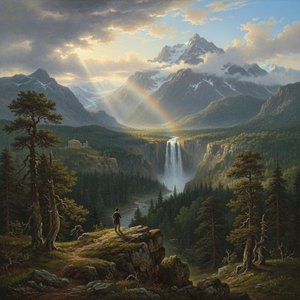
Evoking Nature's Sublime: A Comprehensive Exploration of 19th-Century Landscape Painting
Explore the captivating world of 19th-century landscape painting! Discover renowned artists like Friedrich & Monet, key movements, and find the perfect artwork to bring nature's serenity into your home. Expert insights at AllPaintingsStore.


