Anteprima in scala reale
 Condividi
 Condividi
 Dettagli
 Guida
Guida

 Scarica
 Articoli simili
 Radiografia
 Slideshow
 Statistiche
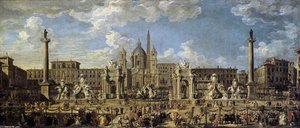
Marcus Curtius Leaping into the Gulf
 Acrylic On Canvas
- WallArt
- Baroque
 74.0 x 98.0 cm
 Fitzwilliam College
 Leggi tutto
Riproduzione a olio fatta a mano
Olio su tela dipinto a mano nelle tue dimensioni e con la tua cornice, realizzato su ordinazione dai nostri artisti. ( Passa alle stampe Passa all'immagine digitale)




P118B $10

P118H $10

P118W $10

P438Z $10

P508JH $12

P508YH $12

P805H $10

P805Z $10

P919BZ $10

P919G $10

P919XJ $10

P959ZH $10

P968JZ $12

W106C $8

W218G $10

W218JH $8

W218Y $10

W307PJ $10

W316G $10

W316PJ $8

W316Y $10

W398PJ $8

W4111J $10

W500HY $15

W500JH $15

W692G $12

W849H $8

W940BG $15

W953PJ $8




Scegli tra le nostre dimensioni predefinite, che rispettano le proporzioni originali dell'opera d'arte.

È possibile inserire dimensioni personalizzate per adattare l'opera a una cornice o a uno spazio specifico. Se la dimensione selezionata non corrisponde alle proporzioni dell'immagine originale, provvederemo a ritagliare l'opera o a estendere il dipinto con elementi aggiuntivi dipinti a mano. Un mockup digitale ti sarà inviato per approvazione prima dell'inizio della produzione.
Si prega di notare che l'anteprima a schermo non riflette il ritaglio o l'estensione effettivi. Solo il mockup mostrerà accuratamente la composizione finale.
Sebbene siano disponibili dimensioni personalizzate, consigliamo di selezionare una dimensione dall'elenco predefinito per preservare le proporzioni originali.
Dopo l'ordine, il team di AllPaintingsStore.com contatterà il cliente via e-mail per ricevere le istruzioni e fornirà un'anteprima del mockup
Consegna in tutto il mondo () in 3/4 settimane anziché nelle normali 5 settimane. (21 Settembre). Nessun compromesso sulla qualità.

Spedizione espressa gratuita in tutto il mondo

Tela in lino di alta qualità

Assicurazione completa sulla spedizione

Garanzia di rimborso dei dazi doganali

Garanzia di perfetta fedeltà cromatica

Politica di reso entro 100 giorni (solo per difetti di fabbricazione)

Garanzia di rimborso al 100%

Sconto per acquisti multipli
 L'opzione vetro è disponibile solo per dimensioni inferiori a 110 cm

Marcus Curtius Leaping into the Gulf
Tecnica di riproduzione
Dimensioni della riproduzione
-


Prezzo totale
$ 258
A Dramatic Leap Through Time: Giovanni Paolo Panini’s “Marcus Curtius Leaping into the Gulf”
Giovanni Paolo Panini's "Marcus Curtius Leaping into the Gulf," painted circa 1730, is more than just a depiction of Roman mythology; it’s a meticulously crafted window into the mind of an artist obsessed with capturing the grandeur and illusionistic possibilities of his era. This captivating work, now housed in The Fitzwilliam Museum in Cambridge, transports us to the heart of ancient Rome, where a single act of bravery—a leap of faith—becomes a symbol of civic virtue and divine favor. Panini, a master of “vedute” – paintings that specialized in capturing the atmospheric and architectural details of urban landscapes – here elevates a historical anecdote into a theatrical spectacle, employing his signature blend of realism and carefully constructed illusion.
The scene itself is both dramatic and profoundly symbolic. Marcus Curtius, a Roman nobleman, is portrayed mid-leap, plunging headfirst into a gaping chasm that has suddenly opened in the Forum – a fissure conjured by the gods as a test of Rome’s loyalty. The figures surrounding him are rendered with remarkable detail: soldiers scrambling to secure the perimeter, citizens reacting with alarm and awe, and priests offering prayers to the heavens. Panini's skill lies not just in his ability to accurately portray these individuals but also in conveying their emotional responses – fear, urgency, and a profound sense of reverence for the divine.
The Architect of Illusion: Panini’s Technique
Panini was renowned for his mastery of perspective and his innovative use of illusionistic techniques. He didn't simply paint what he saw; he engineered it. The painting is replete with carefully constructed details designed to create a convincing sense of depth and space, mirroring the techniques employed by stage designers. Notice how the receding lines of the buildings converge towards a vanishing point, drawing the viewer’s eye into the heart of the scene. The use of atmospheric perspective – softening distant objects and lightening their colors – further enhances this illusion of three-dimensionality. The meticulous rendering of textures—the rough stone of the Forum, the flowing robes of the figures, the billowing clouds in the sky—adds to the painting’s tactile quality, inviting us to step into the scene.
Furthermore, Panini's background as a decorator for palaces informed his approach. He understood how to create a sense of grandeur and theatricality through carefully chosen colors, lighting, and composition. The use of light is particularly striking, illuminating Curtius’s leap while casting dramatic shadows across the Forum, intensifying the drama and highlighting the importance of the moment.
A Roman Myth Made Real: Symbolism and Context
The story of Marcus Curtius is a cornerstone of Roman mythology. Legend holds that during a period of political instability, a fissure opened in the ground, threatening to swallow Rome whole. Curtius, believing himself chosen by the gods, bravely leaped into the chasm, appeasing the deities and saving the city from destruction. This act became a potent symbol of civic virtue, self-sacrifice, and unwavering loyalty to Rome.
Panini’s painting captures this narrative with exquisite precision. The dramatic composition—the central figure in motion against a backdrop of chaos and uncertainty—underscores the significance of Curtius's actions. The temple and statue of Curtius, prominently displayed at the top of the scene, serve as a visual reminder of his heroic deed and the enduring values he represents. The inclusion of the priests reinforces the religious dimension of the story, emphasizing the belief that divine intervention played a crucial role in Rome’s survival.
A Legacy of Vision: Giovanni Paolo Panini
Giovanni Paolo Panini (1691-1765) was a pivotal figure in 18th-century art. His dedication to capturing the essence of Roman antiquity, combined with his innovative use of perspective and illusionistic techniques, established him as one of the foremost “vedutisti” of his time. His work profoundly influenced subsequent generations of artists, including Canaletto and Bernardo Bellotto, who sought to emulate his mastery of atmospheric perspective and his ability to create convincing representations of urban landscapes. Panini’s legacy extends beyond his individual paintings; he also served as a teacher and mentor, shaping the artistic sensibilities of many aspiring painters. Today, his works continue to captivate viewers with their remarkable detail, dramatic composition, and profound sense of historical resonance.
Opere correlate


Biografia dell'artista
Giovanni Paolo Panini (1691–1765): Master of Roman Vedute & Architectural Fantasies
Giovanni Paolo Panini, a name synonymous with the grandeur and romantic allure of 18th-century Rome, was more than just a painter; he was a visual architect of memory. Born in Piacenza in 1691, his artistic journey began under the tutelage of Giuseppe Natali and Andrea Galluzzi, but it was his exposure to the theatrical designs of Francesco Galli-Bibiena that truly ignited his imagination. This early immersion in stagecraft would profoundly influence his later work, imbuing it with a sense of dramatic composition and illusionistic space. In 1711, Panini relocated to Rome, a city already steeped in artistic history, where he honed his skills under the guidance of Benedetto Luti, mastering the art of drawing and laying the foundation for his future mastery of perspective.- Early Training & Influences: Panini’s formative years were marked by instruction from Giuseppe Natali and Andrea Galluzzi in Piacenza, shaping his initial artistic sensibilities. Crucially, he absorbed the theatrical flair of Francesco Galli-Bibiena, whose stage designs instilled a fascination with dramatic perspective and illusionistic space—influences that would permeate his subsequent oeuvre.
- Rome & The Academy: Moving to Rome in 1711, Panini enrolled at the Accademia di San Luca and later became a professor at the Académie de France, fostering connections with fellow artists like Jean-Honoré Fragonard. These institutions provided him with intellectual stimulation and access to artistic trends shaping Europe during his time.
From Frescoes to Vedute: The Evolution of an Artistic Style
Panini’s initial success came not as a canvas painter but as a decorator of palaces. His frescoes adorned the walls of prominent Roman residences, including the Villa Patrizi (1719–1725), Palazzo de Carolis (1720) and Seminario Romano (1721–1722). These early commissions allowed him to develop his technical prowess and establish a reputation within Rome’s artistic circles. He skillfully employed tonal gradations—a technique championed by Jan van Goyen—to convey depth and atmosphere, mirroring the stylistic innovations of Rembrandt. Simultaneously, he absorbed the luminous effects of Jan Both, mastering the art of capturing fleeting moments of light and color with remarkable precision.Exploring Panini’s World Today
Panini's fascination with ruins was not merely an aesthetic choice; it reflected a broader intellectual current of his time—a growing interest in classical antiquity and a melancholic awareness of its fragility. He meticulously depicted iconic landmarks like the Pantheon, Colosseum, and Roman Forum, often framing them within dramatic lighting and atmospheric effects. His masterful use of perspective—his ability to create a convincing illusion of depth and space—led to the development of what became known as the “Panini Projection,” a technique instrumental in rendering panoramic views. This projection allowed artists to accurately represent wide-angle scenes, making it invaluable for architectural renderings and landscape painting.- The Temple of Diana
- Interior of Saint Peter's, Rome
- Interior of the Pantheon, Rome

Giovanni Paolo Pannini
1691 - 1765 , Italia
Informazioni rapide
- Artistic Movement Or Style: Vedutismo
- Artists Or Movements Influenced By This Artist: ['Hubert Robert']
- Artists Who Influenced This Artist:
- Giuseppe Natali
- Andrea Galluzzi
- Francesco Galli-Bibiena
- Date Of Birth: 1691
- Date Of Death: 1765
- Full Name: Giovanni Paolo Panini
- Nationality: Italian
- Notable Artworks:
- Pantheon Interior View
- Rome Views
- Capriccios
- Place Of Birth: Piacenza, Italy
Articoli correlati

Bartolomeo Pinelli: Neoclassical Linearity & Roman Topography of Memory
Explore the captivating world of Bartolomeo Pinelli, a master Italian engraver renowned for his evocative Roman scenes & historical narratives. Discover his art and legacy with AllPaintingsStore.

Timeless Legends: A Curated Guide to the Eternal Allure of Mythological Masterpieces
Embark on a sophisticated journey through the eternal allure of mythological art. Discover how master painters breathe life into ancient legends, from Greek deities to Baroque masterpieces, and learn to curate these timeless narratives within your own exquisite art collection.

Timeless Grandeur: Capturing the Majesty of Roman Architecture through the Lens of Art History
Explore the profound beauty of Roman architecture through art history. From Piranesi's evocative engravings to classical masterpieces, discover how the grandeur of ancient Rome continues to inspire collectors and art enthusiasts worldwide.

Giovanni Paolo Panini: Capturing Roman Grandeur – A Vedute Master's Legacy
Explore the captivating world of Giovanni Paolo Panini, master of Roman vedute painting. Discover his technique, iconic works, influence on art history & collecting advice from experts at AllPaintingsStore.

Echoes of Olympus: Mythological Narratives in Western Art Through the Ages
Explore the captivating history of mythological narratives in Western art! From ancient Greece to modern masterpieces, discover iconic artworks & symbolism. Expert analysis and high-quality reproductions at AllPaintingsStore.