


 Anteprima in scala reale
 Invia
Invia Condividi
 Dettagli opera
 Guida
Guida

 Scarica
 Simili
 Radiografia
 Slideshow
 Domande e risposte
 Statistiche
Birnbaum


 Espandi i dettagli
Giclée / Stampe d'arte
Stampa giclée o su tela di qualità museale, con produzione rapida e diverse opzioni di finitura. ( Acquista il dipinto realizzato a mano Passa all'immagine digitale)




P118B €10

P118H €10

P118W €10

P438Z €10

P508JH €12

P508YH €12

P805H €10

P805Z €10

P919BZ €10

P919G €10

P919XJ €10

P959ZH €10

P968JZ €12

W106C €8

W218G €10

W218JH €8

W218Y €10

W307PJ €10

W316G €10

W316PJ €8

W316Y €10

W398PJ €8

W4111J €10

W500HY €15

W500JH €15

W692G €12

W849H €8

W940BG €15

W953PJ €8




Scegli tra le nostre dimensioni predefinite, che rispettano le proporzioni originali dell'opera d'arte.

Inserisci la larghezza e l'altezza desiderate, per adattarle alla tua cornice o alla tua parete. Una stampa può essere solo ritagliata, mai resa più grande dell'immagine originale; pertanto, un formato con una forma differente comporterà la perdita di una parte dell'opera. Ti invieremo un mockup digitale da approvare prima di procedere con la stampa. L'immagine mostrata in questa pagina non rappresenta il ritaglio reale — solo il mockup lo mostra.
Consegna in tutto il mondo () in 2 settimane invece delle normali 4/5 settimane. (4 Novembre)

Spedizione espressa gratuita in tutto il mondo

Tela in lino di alta qualità

Assicurazione completa sulla spedizione

Garanzia di rimborso dei dazi doganali

Garanzia di fedeltà cromatica assoluta

Politica di reso entro 100 giorni (solo per difetti di fabbricazione)

Garanzia di rimborso al 100%

Offerta per acquisti multipli
 L'opzione vetro è disponibile solo per dimensioni inferiori a 110 cm

Birnbaum
Giclée / Stampe d'arte
Dimensioni riproduzione
-


Prezzo finale calcolato
€ 58
Gustav Klimt: The Pear Tree – A Symbol of Fertility and Transformation
Gustav Klimt’s “The Pear Tree,” completed in 1903, stands as one of the artist's most celebrated landscapes—and arguably his most poignant exploration of themes surrounding femininity, spirituality, and the cyclical nature of life. More than just a depiction of fruit trees laden with blossoms and ripe pears, it embodies Klimt’s signature blend of Art Nouveau elegance and Byzantine mosaic influence, capturing a moment suspended between decay and renewal.
Originally commissioned by Viktor Zuckerkandl, an industrialist and avid collector of avant-garde art, the painting reflects Klimt's fascination with the female form and his desire to convey profound emotional depth. The composition is dominated by a solitary pear tree against a hazy backdrop—a deliberate choice that underscores Klimt’s rejection of academic conventions and his embrace of subjective experience.
- Style: Klimt's distinctive style is immediately recognizable through its opulent ornamentation and flattened perspective, characteristic of Art Nouveau. He eschewed traditional realism in favor of stylized forms and vibrant colors, prioritizing emotional resonance over accurate representation.
- Technique: The painting utilizes oil on canvas—a medium favored by Klimt for its ability to achieve rich textures and luminous hues. Klimt’s meticulous application of paint, combined with the incorporation of gold leaf—a technique borrowed from Byzantine mosaics—creates a shimmering surface that draws the viewer's eye inward.
- Color Palette: Klimt employs a carefully calibrated color palette dominated by warm tones – golds, yellows, and reds – juxtaposed against cooler greens and blues. These colors contribute to the painting’s sensual atmosphere and symbolize vitality, abundance, and spiritual illumination.
The pear tree itself serves as a powerful symbol—representing fertility, blossoming beauty, and ultimately, death and regeneration. Klimt's masterful depiction of the blossoms captures the fleeting moment of springtime exuberance, while the pears hanging from the branches symbolize ripeness and fulfillment. However, beneath this veneer of idyllic splendor lies an underlying sense of melancholy, reflecting Klimt’s preoccupation with mortality and the inevitability of change.
“The Pear Tree” continues to inspire artists and collectors alike—a testament to Klimt's ability to distill complex philosophical ideas into a visually arresting masterpiece. Its enduring appeal resides in its evocative imagery and its profound exploration of human emotion, cementing its place as a cornerstone of modern art history.
Historical Context: Vienna Secession and Symbolism
Klimt’s work emerged during the Viennese Secession movement—a rebellious artistic collective that challenged the conservative aesthetic standards of the Austro-Hungarian Empire. Rejecting academic tradition, Secession artists sought to forge a new visual language rooted in symbolism and expressive abstraction. Klimt's embrace of Byzantine influences—particularly the use of gold leaf—was a deliberate provocation against prevailing artistic conventions.
Analysis: Layers of Meaning
Beyond its formal beauty, “The Pear Tree” is laden with symbolic significance. The tree’s solitary presence suggests introspection and contemplation, while the blossoms represent the ephemeral nature of life—a reminder that all things must eventually pass away. Klimt's subtle manipulation of perspective and color contributes to the painting’s emotional impact—creating a dreamlike atmosphere that invites viewers to contemplate profound questions about existence.
Legacy: Influence on Subsequent Artists
"The Pear Tree" profoundly impacted subsequent generations of artists who sought to explore themes of sexuality, spirituality, and artistic innovation. Klimt’s pioneering use of gold leaf—a technique that would become synonymous with Art Nouveau—inspired countless painters and sculptors—establishing him as a pivotal figure in the history of modern art.
Availability: A Stunning Reproduction
A meticulously crafted oil painting reproduction of “The Pear Tree” from AllPaintingsStore.com captures the essence of Klimt’s artistic vision—bringing this iconic artwork into your home or studio. Our skilled artisans utilize premium materials and techniques to faithfully recreate the painting's luminous colors and intricate details—allowing you to experience its beauty firsthand.
Explore More Works by Gustav Klimt
For more information, visit Gustav Klimt: The Pear Tree or learn about the The Royal Museums of Fine Arts of Belgium, Brussels.
Domande e risposte
Qual è la palette cromatica di "Birnbaum" di Gustav Klimt?
"Birnbaum" di Gustav Klimt utilizza una tavolozza Toni della terra, con Marrone caffè (#423535) come colore dominante.
Quali tecnica e stile caratterizzano "Birnbaum" di Gustav Klimt?
"Birnbaum" è realizzata in Olio su tela, nello stile Art Nouveau.
Quale formato di stampa si consiglia per "Birnbaum" di Gustav Klimt?
Per "Birnbaum" di Gustav Klimt, si consiglia una riproduzione di Grande formato. Le dimensioni possono essere modificate mantenendo invariate le proporzioni.
Opere simili


Biografia dell'artista
Gustav Klimt: Vita, Arte e Eredità
Primi Anni di Vita ed Educazione (1862-1883)
- Nato il 14 luglio 1862 a Baumgarten, vicino a Vienna, Austria.
- Figlio di Ernst Klimt, incisore d'oro, e Anna Finster. La sua famiglia affrontò difficoltà finanziarie, portando a frequenti trasferimenti all'interno di Vienna.
- Talento precoce: Dimostrò abilità disegniche preminenti coltivate dalla professione del padre e dalle inclinazioni artistiche familiari.
- Si iscrisse alla Vienna Kunstgewerbeschule (Scuola Politecnica) nel 1876, studiando pittura architettonica sotto Ferdinand Laufberger. Questo fornì una solida formazione tecnica ma lo espose anche a stili accademici tradizionali.
- Nel 1877, formò la “Compagnia degli Artisti” con suo fratello Ernst e Franz von Matsch, ottenendo commissioni per affreschi e soffitti.
La Compagnia degli Artisti e Primi Successi (1883-1900)
- Continuò a lavorare con la “Compagnia degli Artisti” dopo aver lasciato la Kunstgewerbeschule, ottenendo riconoscimento per progetti decorativi come affreschi al teatro municipale di Karlsbad e ai camini al Burgtheater di Vienna.
- Contribuì alle decorazioni del Kunsthistorisches Museum di Vienna, dimostrando competenza tecnica ma suggerendo un desiderio di rompere con i vincoli artistici.
Il Soffitto dell'Università di Vienna e Controversie (1900)
- Ricevette una prestigiosa commissione intorno al 1900 per dipingere affreschi sul soffitto della Grande Sala dell'Università di Vienna, rappresentando Filosofia, Diritto e Teologia.
- Opere controverse: Gli affreschi, in particolare *Filosofia*, furono ritenuti provocatori e persino pornografici dai critici, causando un clamore pubblico.
- Klimt rifiutò ulteriori commissioni pubbliche dopo la controversia, segnando una svolta nella sua carriera.
La “Fase Dorata” e Maturità Artistica (1901-1918)
- Entrò nella sua “fase dorata”, caratterizzata da un uso lussuoso della foglia d'oro ispirato ai mosaici bizantini e ai manoscritti miniati medievali.
- Opere chiave: *Il Bacio* (1907-1908) esemplifica lo stile opulento e la ricchezza simbolica di questo periodo.
- *Ritratti:* I ritratti come *Ritratto di Adele Bloch-Bauer I* (1907) divennero molto richiesti, mostrando la sua capacità di catturare sia la somiglianza fisica che la profondità psicologica.
- Integrava sempre più elementi decorativi nelle composizioni, sfumando i confini tra pittura e ornamentazione.
Influenze e Stile Artistico
- Hans Makart: Prime ammirazioni per il pittore storico di spicco di Vienna influenzarono la sua formazione accademica iniziale.
- Arte Giapponese (Japonismo): Profondamente influenzato dai stampe giapponesi, in particolare dalla loro prospettiva piatta, dai motivi decorativi e dall'enfasi sulla linea.
- Arte Bizantina: L'uso della foglia d'oro e dell'ornamentazione ricca nei mosaici bizantini ha profondamente influenzato la sua “fase dorata.”
- Caratteristiche dello stile: Unico mix di Simbolismo, Art Nouveau ed elementi decorativi; colori audaci, motivi intricati e rappresentazioni sensuali della figura femminile.
Anni Successivi e Eredità (1918)
- Continuò a dipingere prolificamente fino alla sua morte il 6 febbraio 1918, a causa di un colpo apoplettico.
- Le sue opere successive esplorarono forme più astratte e paesaggi, dimostrando un'evoluzione artistica continua.
- Significato storico: Riconosciuto come uno dei personaggi più importanti della storia dell'arte austriaca ed esponente di spicco del Secessione viennese. I suoi dipinti raggiungono prezzi elevati all'asta e la sua influenza è vista nell'arte e nel design contemporanei.
- Il Kunsthistorisches Museum di Vienna conserva una collezione significativa delle sue opere, assicurando che la sua eredità continui a ispirare.
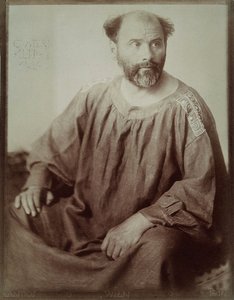
Gustav Klimt
1862 - 1918 , Austria
Dettagli rapidi
- Artisti Influenti: ['Hans Makart']
- Artisti Influenzati: ['Egon Schiele']
- Data Di Morte: 6 febbraio 1918
- Data Di Nascita: 14 luglio 1862
- Luogo Di Nascita: Baumgarten, Austria
- Movimento Artistico: Simbolismo, Art Nouveau
- Nazionalità: Austriaco
- Nome Completo: Gustav Klimt
- Opere Notevoli:
- Il Bacio
- Adele Bloch-Bauer I
- Speranza
- Parco
- Isola nell'Attersee
Articoli correlati

Art Nouveau Guide: Integrating Elegant Curves and Organic Design into Luxury Hotel Interiors
Master Art Nouveau integration for luxury hotel interiors. Discover expert strategies for utilizing organic curves, whiplash lines, and botanical motifs to create sophisticated, high-end hospitality spaces with scalable, professional art procurement solutions.


