

 Anteprima in scala reale
 Invia
Invia Condividi
 Dettagli opera
 Guida
Guida

 Scarica
 Simili
 Radiografia
 Slideshow
 Q&A
Q&A Statistiche
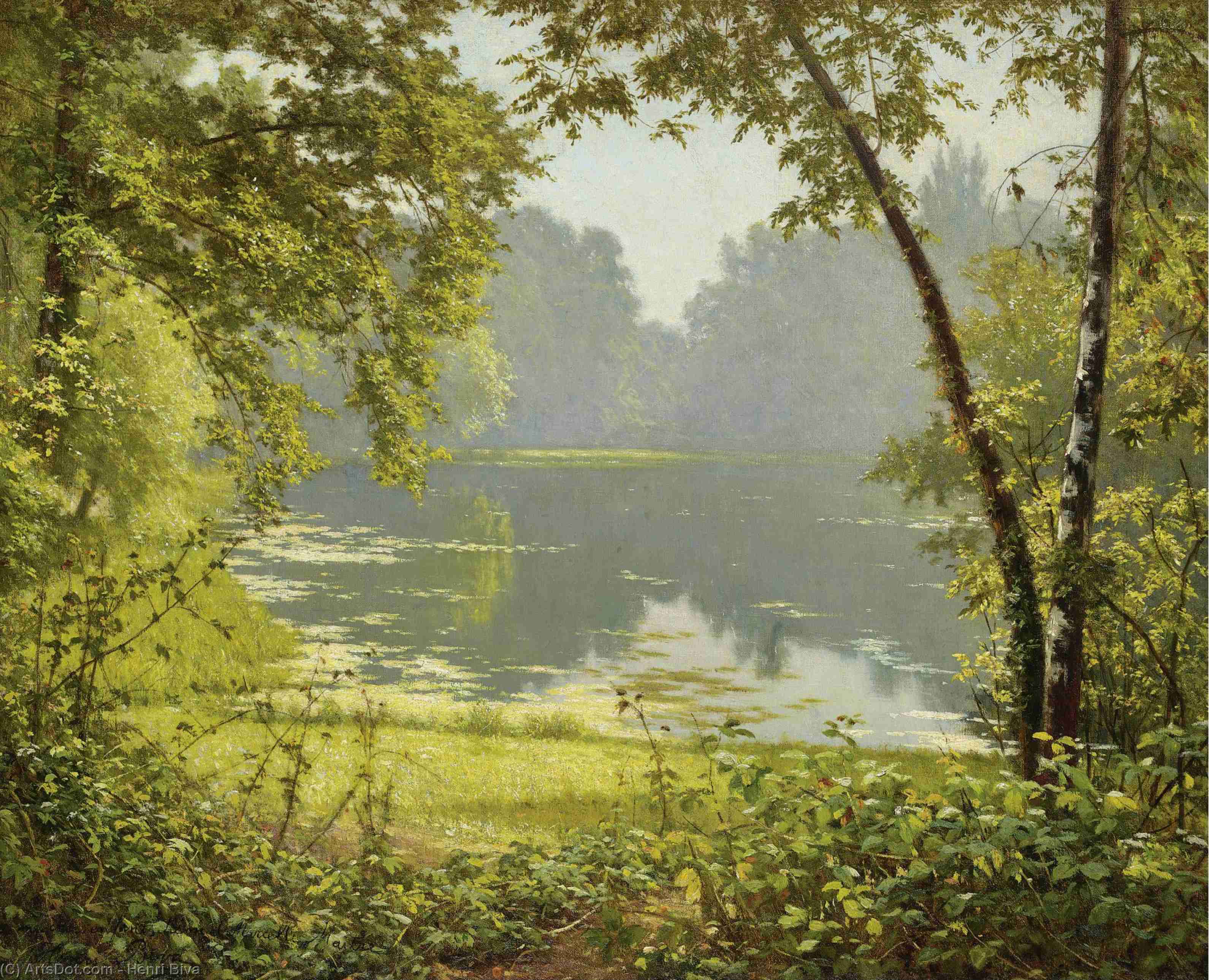
Tranquility
 Espandi i dettagli
Giclée / Stampe d'arte
Stampa giclée o su tela di qualità museale, con produzione rapida e diverse opzioni di finitura. ( Acquista il dipinto realizzato a mano Passa all'immagine digitale)




































Scegli tra le nostre dimensioni predefinite, che rispettano le proporzioni originali dell'opera d'arte.

Inserisci la larghezza e l'altezza desiderate, per adattarle alla tua cornice o alla tua parete. Una stampa può essere solo ritagliata, mai resa più grande dell'immagine originale; pertanto, un formato con una forma differente comporterà la perdita di una parte dell'opera. Ti invieremo un mockup digitale da approvare prima di procedere con la stampa. L'immagine mostrata in questa pagina non rappresenta il ritaglio reale — solo il mockup lo mostra.
Consegna in tutto il mondo () in 2 settimane invece delle normali 4/5 settimane. (2 Novembre)

Spedizione espressa gratuita in tutto il mondo

Tela in lino di alta qualità

Assicurazione completa sulla spedizione

Garanzia di rimborso dei dazi doganali

Garanzia di fedeltà cromatica assoluta

Politica di reso entro 100 giorni (solo per difetti di fabbricazione)

Garanzia di rimborso al 100%

Offerta per acquisti multipli
 L'opzione vetro è disponibile solo per dimensioni inferiori a 110 cm

Tranquility
Giclée / Stampe d'arte
Dimensioni riproduzione
-


Prezzo finale calcolato
€ 57
Opere simili


Biografia dell'artista
L'Eredità Luminosa di Henri Biva
Nato tra il vibrante e bohémien battito di Montmartre nel gennaio 1848, Henri Biva emerse come un maestro del paesaggio francese, un pittore il cui pennello seppe catturare l'anima stessa della campagna parigina. Cresciuto in un ambiente intriso di tradizione artistica, Biva era destinato alla tela; la sua stirpe creativa fu alimentata da suo fratello, Paul Biva, e successivamente da suo figlio, Lucien Billa. I suoi primi anni a Parigi non furono un semplice sfondo, ma offrirono una profonda connessione con il mondo naturale che sarebbe diventata la pietra angolare della sua opera. Con la maturità, Biva sviluppò una capacità singolare di colmare il divario tra la meticolosa precisione del Realismo e la spontaneità emotiva e inondata di luce dell'Impressionismo, creando opere che appaiono allo stesso tempo senza tempo e 있다면 eteree fugacità.
Le fondamenta tecniche dell'arte di Biva furono forgiate nelle prestigiose sale della École des Beaux-Arts e nella rigorosa Académie Julian. Sotto gli occhi attenti di maestri come Léon Tanzi e Alexandre Nozal, apprese a navigare l'equilibrio delicato tra la disciplina accademica e i nascenti movimenti d'avanguardia della sua epoca. I suoi studi con figure leggendarie come William-Adлоphe Bouguereau e Jules Joseph Lefebvre gli instillarono un profondo rispetto per la forma e la struttura, eppure fu la sua devozione alla tradizione en plein air a liberare veramente il suo stile. Uscendo dallo studio per avventurarsi nelle periferie occidentali di Parigi, Biva iniziò a sperimentare l'interazione tra ombra e sole, imparando a tradurre il calore di un pomeriggio estivo o la quieta immobilità di uno specchio d'acqua in un linguaggio di puro colore e intricati tocchi di pennello.
Una Maestria di Luce e Natura
L'opera di Biva è spesso celebrata per il suo profondo sentimento Naturalista, caratterizzato da un'intimità quasi tattile con i suoi soggetti. Possedeva una rara e impareggiabile abilità nel catturare la magia effimera delle stagioni, in particolare il modo in cui la luce danza attraverso un giardino o si posa su uno stagno tranquillo. Le sue composizioni invitano spesso lo spettatore in una versione serena e idealizzata del paesaggio francese—luoghi dove la luce solare sembra tangibile e l'atmosfera è carica del profumo dei fiori estivi. Questa maestria non riguardava solo l'accuratezza visiva, ma la risonanza emotiva; attraverso l'uso di una tavolozza pura e vibrante, egli riusciva a evocare un senso di pace e nostalgia che trascende la mera rappresentazione del panorama.
Oltre ai suoi vasti paesaggi, Biva dimostrò anche un talento straordinario per la pittura di natura morta. In queste opere, la medesima attenzione alla luce e alla consistenza trovata nelle sue scene all'aperto viene applicata ai dettagli intimi del mondo naturale—il petalo vellutato di un crisantemo o il fascino rustico di un cesto di vimini. Questa versatilità gli permise di guadagnare rispetto in diversi generi, dimostrando che il suo vero soggetto non era solo il paesaggio in sé, ma l'essenza stessa della luce nell'interagire con ogni forma di vita.
Riconoscimento e Significato Storico
La traiettoria della carriera di Biva fu segnata da significativi trionfi professionali che consolidarono il suo status all'interno dell'establishment artistico francese. Le sue frequenti esposizioni al Salon des Artistes Français ottennero il plauso della critica, portando a una serie di prestigiosi riconoscimenti che riflettevano la sua crescente importanza tra la fine del XIX e l'inizio del XX secolo:
- Onorificenze Medaglie: Gli fu conferita una medaglia di terza classe nel 1895, seguita da una medaglia di seconda classe nel 1896 e una medaglia di bronzo nel 1900.
- Cavaliere: In riconoscimento del suo immenso contributo alla cultura francese, gli fu conferito il titolo di Chevalier de la Légion d'honneur.
- Posizione Sociale: La sua appartenenza alla Société des Artistes Français lo collocò tra l'élite di pittori che definirono l'epoca.
Oggi, Henri Biva rimane una figura significativa sia per i collezionisti che per gli storici dell'arte. Egli rappresenta un legame vitale nell'evoluzione della pittura francese, incarnando quel periodo in cui i rigidi confini della tradizione accademica iniziarono a dissolversi nella luminosa libertà del modernismo. La sua capacità di armonizzare l'integrità strutturale del Realismo con la brillantezza atmosferica del Post-Impressionismo assicura che i suoi paesaggi continuino a offrire una finestra su un passato splendidamente catturato e inondato di sole.

Henri Biva
1848 - 1929 , Francia
Dettagli rapidi
- Artistic Movement Or Style: Post-Impressionismo & Realismo
- Artists Or Movements Influenced By This Artist: ['Romanticismo']
- Artists Who Influenced This Artist:
- Léon Tanzi
- Alexandre Nozál
- Date Of Birth: 23 gennaio 1848
- Date Of Death: 1929
- Full Name: Henri Biva
- Nationality: Francese
- Notable Artworks:
- Interno boschivo
- Bosco primaverile
- Place Of Birth: Parigi, Francia