


 Anteprima in scala reale
 Condividi
 Condividi
 Dettagli
 Guida
Guida

 Scarica
 Articoli simili
 Radiografia
 Slideshow
 Statistiche
The Last Judgement (detail)

 Leggi tutto
Riproduzione a olio fatta a mano
Olio su tela dipinto a mano nelle tue dimensioni e con la tua cornice, realizzato su ordinazione dai nostri artisti. ( Passa alle stampe Passa all'immagine digitale)




P118B $10

P118H $10

P118W $10

P438Z $10

P508JH $12

P508YH $12

P805H $10

P805Z $10

P919BZ $10

P919G $10

P919XJ $10

P959ZH $10

P968JZ $12

W106C $8

W218G $10

W218JH $8

W218Y $10

W307PJ $10

W316G $10

W316PJ $8

W316Y $10

W398PJ $8

W4111J $10

W500HY $15

W500JH $15

W692G $12

W849H $8

W940BG $15

W953PJ $8




Scegli tra le nostre dimensioni predefinite, che rispettano le proporzioni originali dell'opera d'arte.

È possibile inserire dimensioni personalizzate per adattare l'opera a una cornice o a uno spazio specifico. Se la dimensione selezionata non corrisponde alle proporzioni dell'immagine originale, provvederemo a ritagliare l'opera o a estendere il dipinto con elementi aggiuntivi dipinti a mano. Un mockup digitale ti sarà inviato per approvazione prima dell'inizio della produzione.
Si prega di notare che l'anteprima a schermo non riflette il ritaglio o l'estensione effettivi. Solo il mockup mostrerà accuratamente la composizione finale.
Sebbene siano disponibili dimensioni personalizzate, consigliamo di selezionare una dimensione dall'elenco predefinito per preservare le proporzioni originali.
Dopo l'ordine, il team di AllPaintingsStore.com contatterà il cliente via e-mail per ricevere le istruzioni e fornirà un'anteprima del mockup
Consegna in tutto il mondo () in 3/4 settimane anziché nelle normali 5 settimane. (21 Settembre). Nessun compromesso sulla qualità.

Spedizione espressa gratuita in tutto il mondo

Tela in lino di alta qualità

Assicurazione completa sulla spedizione

Garanzia di rimborso dei dazi doganali

Garanzia di perfetta fedeltà cromatica

Politica di reso entro 100 giorni (solo per difetti di fabbricazione)

Garanzia di rimborso al 100%

Sconto per acquisti multipli
 L'opzione vetro è disponibile solo per dimensioni inferiori a 110 cm

The Last Judgement (detail)
Tecnica di riproduzione
Dimensioni della riproduzione
-


Prezzo totale
$ 258
A Netherlandish Enigma: The Genesis of a Surreal Masterpiece
Hieronymus Bosch, born around 1450 in the bustling and religiously fervent town of ’s-Hertogenbosch in Brabant, remains one of art history’s most enduring enigmas. His life, shrouded in fragmented records and whispered speculation, only adds to the allure surrounding his profoundly unsettling and remarkably prescient artistic vision. Emerging from a family steeped in painting tradition – his grandfather and father both practiced the craft – Bosch quickly diverged from established conventions, hinting at an extraordinary imagination that would blossom into a body of work unlike any other. The late medieval world, rife with anxieties about sin, mortality, and divine judgment, provided fertile ground for his unique explorations. ’s-Hertogenbosch itself, a city scarred by a devastating fire in 1463, likely fueled the apocalyptic imagery that would dominate his oeuvre – a tangible reminder of human vulnerability and the potential for destruction.
The Spectacle of Hell: A Detailed Examination
“The Last Judgement,” a detail from one of Bosch’s most monumental triptychs, is not merely a depiction of divine retribution; it's an immersive descent into the darkest recesses of human psychology. The painting explodes with a chaotic energy—a swirling vortex of grotesque figures engaged in bizarre rituals and horrifying acts. Angels and demons clash amidst a landscape populated by hybrid creatures – part animal, part human, often imbued with unsettling symbolism. Birds, scattered throughout the scene, add to the sense of movement and unease, suggesting both divine judgment and the fleeting nature of earthly existence. The sheer density of detail is astonishing; every corner reveals a new layer of meaning, inviting endless contemplation.
- Compositional Chaos: Bosch deliberately eschews traditional hierarchical arrangements, creating a sense of overwhelming scale and disorientation.
- Symbolic Bestiary: The creatures inhabiting Hell are not simply monstrous; they represent specific sins and vices – gluttony, lust, greed, envy—rendered in vivid, unforgettable imagery.
- Technique & Materials: Bosch’s masterful use of oil paint on oak wood allows for incredible detail and texture, contributing to the painting's tactile quality and unsettling realism. The layering of colors creates a sense of depth and atmosphere, drawing the viewer into this nightmarish realm.
Decoding the Symbols: A Journey Through Moral Allegory
Bosch’s work is saturated with symbolism, inviting viewers to engage in a complex process of interpretation. The central panel of “The Last Judgement” depicts not just punishment but also a critique of human behavior. The figures engaged in debauchery and self-indulgence are not simply damned; they are embodiments of the vices that lead to spiritual decay. The presence of instruments of torture, such as spiked wheels and boiling cauldrons, underscores the severity of divine judgment. Yet, amidst this horror, there’s a strange sense of fascination—a recognition of our own capacity for darkness. The inclusion of seemingly innocuous objects – musical instruments, hunting scenes – further complicates the narrative, suggesting that even pleasure can be corrupted by sin.
The triptych format itself is significant. The exterior panels depict scenes from everyday life and the Garden of Eden, offering a stark contrast to the horrors revealed within. This juxtaposition highlights the fall from grace and the consequences of human choices. Bosch’s intention was not simply to frighten but to provoke reflection on morality and the nature of humanity.
A Lasting Legacy: Influence and Interpretation
Hieronymus Bosch's “The Last Judgement” continues to captivate and disturb viewers centuries after its creation. His unique blend of realism, fantasy, and moral allegory has profoundly influenced generations of artists, from Pieter Bruegel the Elder to Surrealists like Salvador Dalí and Max Ernst. AllPaintingsStore’s meticulously crafted hand-painted reproductions offer a chance to experience this iconic masterpiece in stunning detail, allowing you to delve deeper into its complex symbolism and appreciate Bosch's unparalleled artistic genius. Whether as a collector’s prized possession or an element of sophisticated interior design, a reproduction of “The Last Judgement” serves as a potent reminder of humanity’s eternal struggle between good and evil.
Opere correlate


Biografia dell'artista
vita e carriera
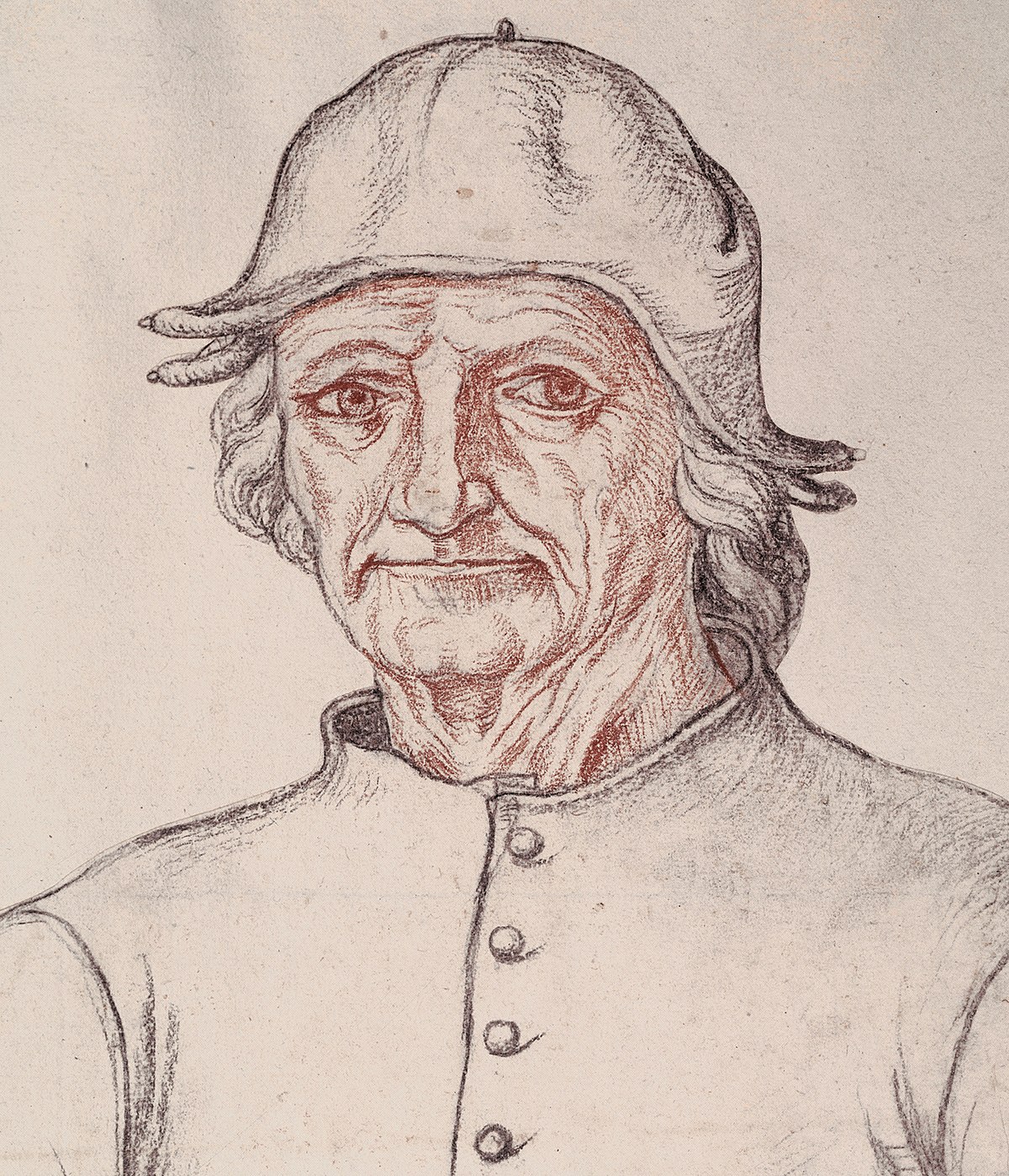
Hieronymus Bosch, un pittore olandese/fiammingo di spicco proveniente da Brabante, nacque intorno al 1450 a ‘s-Hertogenbosch, nei Paesi Bassi. La sua vita rimane avvolta nel mistero, con solo pochi documenti che ne attestano l'esistenza. Nonostante la mancanza di informazioni biografiche, l'arte di Bosch ha avuto un impatto profondo sull'arte europea settentrionale, in particolare nel XVI secolo.stile artistico e influenze
Lo stile unico di Bosch, caratterizzato da **rappresentazioni surreali e immaginarie di temi religiosi**, è stato ampiamente influente. I suoi dipinti a olio su legno, spesso con **visioni inquietanti e infernali**, sono stati oggetto di numerose interpretazioni. Il Triptico del Giudizio Universale (c. 1480-1490) e il Giardino delle Delizie Terrene (c. 1490-1510) sono due dei suoi lavori più celebrati, che mostrano la sua maestria nel mezzo.opere notevoli e collezioni
* Ascesa dei Giusti (Rinascimento settentrionale, olio su tavola): un raro esempio del lavoro di Bosch, con una scena onirica e ultraterrena. * Epifania (c. 1495, Museo del Prado, Madrid): un triptico che dimostra l'uso innovativo dell'olio su legno da parte di Bosch. * Testa di un Halberger (Museo del Prado, Madrid): un esempio raffinato della pittura di ritratti di Bosch, che evidenzia la sua attenzione ai dettagli.musei e collezioni che espongono le opere di Bosch
* Il Museo del Prado, Madrid: ospita alcune delle sue opere più famose, tra cui l'Epifania e il Triptico del Giudizio Universale. * Il Museo d'Arte di Filadelfia, Filadelfia: presenta una versione dell'Epifania, offrendo una prospettiva unica sullo stile artistico di Bosch.- Esplora altre opere di Hieronymus Bosch su https://AllPaintingsStore.com/@/hieronymus-bosch
- Scopri il movimento dell'arte fiamminga antica e i suoi principali esponenti, tra cui Jan van Eyck e Pieter Bruegel il Vecchio, su https://AllPaintingsStore.com/@@/a@d3cpaf-the-erly-netherlandish-art-movement
- Impara di più sulla vita e le opere di Pieter Bruegel il Vecchio su https://en.wikipedia.org/wiki/pieter_bruegel_the_elder
eredità
Lo stile enigmatico di Hieronymus Bosch ha affascinato gli appassionati d'arte per secoli, e la sua influenza può ancora essere vista nelle opere di numerosi artisti. La sua combinazione unica di **surrealismo e profonde intuizioni sulla condizione umana** ha consolidato il suo posto come maestro della pittura fiamminga.
Gerolamo Bosch
1450 - 1516 , Paesi Bassi
Informazioni rapide
- Artisti Influenzati: ['Pieter Bruegel il Vecchio']
- Data Di Morte: 1516
- Data Di Nascita: c. 1450
- Luogo Di Nascita: 's-Hertogenbosch, Paesi Bassi
- Movimento Artistico: Rinascimento nordico
- Nazionalità: Olandese/Fiammingo
- Nome Completo: Gerolamo Bosch
- Opere Notevoli:
- Triptico del Giudizio Universale
- Il Giardino delle Delizie Terrene
- Ascesa dei Giusti
- Epifania
Articoli correlati

Gerolamo Bosch: Decifrare le Visioni di un Maestro Olandese
Esplora il mondo enigmatico di Gerolamo Bosch con AllPaintingsStore. Analisi approfondite delle sue opere, simbolismo nascosto e l'influenza duratura del maestro fiammingo sull'arte moderna.
Hieronymus Bosch: I 25 Capolavori che Rivoluzionano l'Arte e Decorano la Tua Casa
Esplora i 25 capolavori di Hieronymus Bosch, pittore fiammingo simbolo dell'arte medievale. Scopri il simbolismo del Giardino delle Delizie e altre opere iconiche. Riproduzioni d'arte su AllPaintingsStore.com!
I 25 Capolavori del Prado: Arte Spagnola e Decorazioni di Lusso per la Tua Casa
Esplora i 25 capolavori del Museo del Prado: Velázquez, Goya, El Greco e altri maestri spagnoli. Scopri storie, tecniche e colori che hanno reso queste opere immortali. Trova riproduzioni d'arte di alta qualità per la tua casa su AllPaintingsStore.com!

The Enduring Legacy of Oil on Canvas: Technique, History & Aesthetic Impact
Explore the rich history & techniques of oil painting – from Renaissance masters to Impressionism. Discover pigments, layering methods, and why this timeless medium endures. Expert insights for artists & art enthusiasts.

The Enduring Power of Painting: A Historical & Contemporary Exploration of Form and Emotion
Explore the rich history & enduring techniques of oil painting with AllPaintingsStore. Discover masterpieces, learn about art collecting, and find authentic handmade reproductions crafted by skilled artists.


