


 Anteprima in scala reale
 Invia
Invia Condividi
 Dettagli opera
 Guida
Guida

 Scarica
 Simili
 Radiografia
 Slideshow
 Statistiche
Two Cranes
 Ink
Ink- WallArt
 1795
1795- Early Modern
 108.0 x 39.0 cm
 Espandi i dettagli
Giclée / Stampe d'arte
Stampa giclée o su tela di qualità museale, con produzione rapida e diverse opzioni di finitura. ( Acquista il dipinto realizzato a mano Passa all'immagine digitale)




P118B €10

P118H €10

P118W €10

P438Z €10

P508JH €12

P508YH €12

P805H €10

P805Z €10

P919BZ €10

P919G €10

P919XJ €10

P959ZH €10

P968JZ €12

W106C €8

W218G €10

W218JH €8

W218Y €10

W307PJ €10

W316G €10

W316PJ €8

W316Y €10

W398PJ €8

W4111J €10

W500HY €15

W500JH €15

W692G €12

W849H €8

W940BG €15

W953PJ €8




Scegli tra le nostre dimensioni predefinite, che rispettano le proporzioni originali dell'opera d'arte.

Inserisci la larghezza e l'altezza desiderate, per adattarle alla tua cornice o alla tua parete. Una stampa può essere solo ritagliata, mai resa più grande dell'immagine originale; pertanto, un formato con una forma differente comporterà la perdita di una parte dell'opera. Ti invieremo un mockup digitale da approvare prima di procedere con la stampa. L'immagine mostrata in questa pagina non rappresenta il ritaglio reale — solo il mockup lo mostra.
Consegna in tutto il mondo () in 2 settimane invece delle normali 4/5 settimane. (27 Ottobre)

Spedizione espressa gratuita in tutto il mondo

Tela in lino di alta qualità

Assicurazione completa sulla spedizione

Garanzia di rimborso dei dazi doganali

Garanzia di fedeltà cromatica assoluta

Politica di reso entro 100 giorni (solo per difetti di fabbricazione)

Garanzia di rimborso al 100%

Offerta per acquisti multipli
 L'opzione vetro è disponibile solo per dimensioni inferiori a 110 cm

Two Cranes
Giclée / Stampe d'arte
Dimensioni riproduzione
-


Prezzo finale calcolato
€ 56
A Serene Encounter in the Snow
In the quietude of a winter landscape, two cranes stand as silent sentinels amidst a soft, dusting of snow. This exquisite work by the Edo-period master Itō Jakuchū captures a moment of profound stillness, inviting the viewer into a world where nature and spirit converge. The composition is elegantly elongated, drawing the eye upward along the slender, graceful necks of the birds, which seem to reach toward an unseen horizon. There is a rhythmic simplicity to the scene; the heavy, textured snowdrift at the base provides a grounded, earthy foundation that contrasts beautifully with the ethereal, almost weightless quality of the cranes' presence. It is a painting that does not merely depict a scene but evokes an atmosphere of deep, meditative peace.
The artistry of Jakuchū is revealed through his masterful command of the sumi-e tradition, blended with a unique, individualistic flair that set him apart from his contemporaries. Using ink and pigment on what was likely silk or fine paper, the artist employs a delicate range of tonal variations to breathe life into the subjects. The brushwork is both fluid and intentional; subtle, sweeping strokes define the contours of the birds' plumage, while more diffused, watery applications of ink create the soft, powdery texture of the snow. This technique allows for a sense of organic movement within a static moment, as if a light breeze might stir the feathers or disturb the frozen landscape at any second.
Symbolism and the Spirit of Japan
Beyond its visual elegance, this artwork is steeped in the rich symbolic language of Japanese culture. The crane, a central figure in East Asian iconography, is far more than a mere biological subject; it is a potent symbol of longevity, fidelity, and good fortune. By placing these two birds together within a desolate yet beautiful landscape, Jakuchū evokes themes of harmony and enduring companionship. The muted, earthy palette—dominated by shades of beige, grey, and soft brown—complements this spiritual depth, avoiding the distraction of vibrant color to focus instead on the essential essence of the subjects. A singular touch of red from the artist’s seal serves as a poignant reminder of the human hand behind the divine natural observation.
For the discerning collector or interior designer, this piece offers a timeless sophistication that transcends eras. Its understated elegance makes it an ideal centerpiece for spaces designed for contemplation, such as a library, a minimalist study, or a serene wellness retreat. The artwork’s ability to command attention through subtlety rather than spectacle ensures it remains a focal point of quiet strength. Whether viewed as a historical masterpiece of the Kyoto school or as a contemporary element of Zen-inspired decor, Two Cranes continues to resonate with anyone who finds beauty in the delicate balance between the ephemeral and the eternal.
Domande e risposte
Quanto è marcato il contrasto in "Two Cranes" di Ito Jakuchū?
"Two Cranes" di Ito Jakuchū presenta un contrasto Statement tra le sue zone chiare e scure.
Qual è l'uso consigliato per una stampa di "Two Cranes"?
L'uso consigliato per una stampa di "Two Cranes" è Theme.
Qual è l'orientamento di "Two Cranes" di Ito Jakuchū?
"Two Cranes" di Ito Jakuchū ha un formato Portrait. Il formato descrive le proporzioni della composizione.
Opere simili


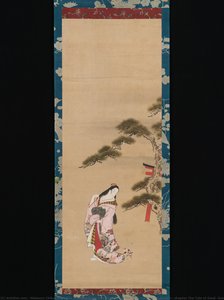


Biografia dell'artista
Primi Anni e Background
- Nome: Ito Jakuchu (伊藤 若冲)
- Altri Nomi: Nessuno
- Origine: AllPaintingsStore, originario di Kyoto, Giappone
- Nato: 2 marzo 1716, a Kyoto, Giappone
- Morto: 27 ottobre 1800 (all'età di 84 anni)
- Background Familiare: Ito Jakuchu era il figlio maggiore di Ito Genzaemon, un grossista di alimentari nel quartiere del mercato Nishiki a Kyoto. Ciò suggerisce una relativa agiatezza all'interno di un contesto commerciale.
- Pronta Inclinazione Artistica: Dimostrò talento per la pittura fin da bambino.
Stile Artistico e Opere Principali
- Stile Distintivo: Ito Jakuchu è rinomato per il suo unico mix di soggetti tradizionali giapponesi con prospettive sperimentali ed elementi stilistici moderni. Il suo stile realistico ha guadagnato una notevole popolarità insieme a Maruyama Okyo.
- Temi Ricorrenti: Molte delle sue pitture presentano soggetti tradizionalmente giapponesi, in particolare polli e altri uccelli. Esplorò anche temi legati al Buddhismo Zen.
- Opere Notevoli:
- Cinque Cento Arhat: Un'opera significativa che mostra la sua abilità artistica.
- Hanshan e Shide (Giapponese: Kanzan e Jittoku): Dimostra la sua capacità di catturare la cultura giapponese.
- Granchi e Peonie: Un altro esempio del suo stile caratteristico.
- Fascio di Fagioli: Un capolavoro sumi-e che raffigura la natura e la filosofia Zen, evidenziando dettagli intricati e bellezza serena.
- Due Gru: Ulteriore esempio della sua abilità artistica.
- Pino Vecchio: Un capolavoro che mostra il suo caratteristico stile di pennellata (101 x 40 cm, seta).
- Doshoku Sai-e: È particolarmente famoso per le sue meticolose rappresentazioni policrome di uccelli e fiori.
Influenze e Sviluppo Artistico
- Ideali Buddhisti Zen: L'opera di Jakuchu è stata profondamente influenzata dai principi del Buddhismo Zen, riflettendo un approccio contemplativo all'arte.
- Società Commerciale di Kyoto: La sua consapevolezza del suo ruolo nella società sempre più commerciale di Kyoto ha anche plasmato la sua prospettiva artistica.
- Possibile Mentorship: Si dice che abbia studiato sotto Ōoka Shunboku, un artista della scuola Kano con sede a Osaka noto per le pitture di uccelli e fiori.
- "Lineage of Eccentrics": Il libro di Nobuo Tsuji *Kisō no Keifu* (Lineage of Eccentrics) ha avuto un impatto significativo sulla comprensione del posto di Jakuchu nella storia dell'arte, evidenziandolo come una figura chiave all'interno di questo movimento che ha rotto con la tradizione.
Significato Storico e Legacy
- Ha Rivoluzionato la Storia dell'Arte Giapponese: *Kisō no Keifu* di Tsuji ha reso popolare la pittura del periodo Edo, stabilendo Ito Jakuchu come la sua figura più importante.
- Influenza sull'Ukiyo-e: La sua associazione con il movimento artistico Ukiyo-e ha ulteriormente consolidato la sua influenza sull'arte giapponese.
- Visione Artistica Unica: La volontà di Jakuchu di sperimentare e sfidare le convenzioni lo ha reso un pioniere nella pittura giapponese, lasciando un duraturo lascito per i futuri artisti.
- Biografia di Daiten Kenjo: Una biografia scritta dal monaco Zen Daiten Kenjo nel 1766 fornisce preziose informazioni sulla filosofia artistica di Jakuchu, notando la sua avversione alla pittura di figure umane e evidenziando il suo focus su uccelli e fiori.

Ito Jakuchū
1716 - 1800 , Giappone
Dettagli rapidi
- Artistic Movement Or Style: Ukiyo-e, Zen Buddhismo
- Artists Or Movements Influenced By This Artist:
- Maruyama Ōkyo
- Lineage of Eccentrics
- Artists Who Influenced This Artist: ['Ōoka Shunboku']
- Date Of Birth: 2 marzo 1716
- Date Of Death: 27 ottobre 1800
- Full Name: Itō Jakuchū
- Nationality: Giapponese
- Notable Artworks:
- Cinquecento Arhat
- Hanshan e Shide
- Granchi e Peonie
- Vita del fagiolo
- Due Gru
- Vecchia Pino
- Place Of Birth: Kyoto, Giappone
Articoli correlati

Katsushika Hokusai: Le 25 Opere Più Iconiche per Amare l'Arte Giapponese
Esplora le 25 opere più iconiche di Katsushika Hokusai, maestro dell'ukiyo-e. Scopri la storia dietro 'La Grande Onda', il Monte Fuji e altre stampe giapponesi senza tempo. Trova riproduzioni d'arte di alta qualità per decorare la tua casa su AllPaintingsStore.com.

I 10 Capolavori del Paesaggio Romantico: Arte, Storia e Decorazioni di Lusso
Esplora i 10 capolavori del Paesaggio Romantico con AllPaintingsStore.com! Caspar David Friedrich, Turner e altri maestri: storia, tecnica e colori che definiscono un'epoca. Trova riproduzioni d'arte di lusso per la tua casa. Scopri la collezione completa online!

Evocations of Place: A Historical Journey Through Landscape Art
Explore the rich history of landscape art with AllPaintingsStore. Discover renowned artists, movements like Impressionism & Romanticism, and expert guidance for collecting timeless pieces. Find your perfect serene escape today!
Serenity on Canvas: A Guide to the Timeless Beauty of Japanese Landscape Painting
Discover the serene beauty of Japanese landscape painting. From Hokusai's iconic woodblock prints to meditative sumi-e ink washes, explore a visual journey through the 'floating world' and learn how to bring this timeless Zen aesthetic into your modern home decor.
The Alchemy of Ink: Mastering the Timeless Beauty and Art History of Paper and Brush
Embark on a sophisticated exploration of ink wash painting and Sumi-e. Uncover the profound historical lineages, Zen philosophies, and technical mastery behind this timeless medium in our authoritative guide for fine art enthusiasts.


