Garanzia soddisfatti o rimborsati · 100 giorni Spedizione gratuita in tutto il mondo
449.582opere d'arte 30.618artisti 4.705musei 32Lingue
Valuta
    Lingua
      Atelier · Dal 2015 · Parigi, Francia
      AllPaintingsStore
      allpaintingsstore.com
      Anteprima in scala reale Prova in AR Passa alle stampe Passa all'immagine digitale Condividi
      Dettagli Guida stampabile Aggiungi ai preferiti Scarica Articoli simili Radiografia Slideshow Statistiche

      Pharaoh

      Discover "Pharaoh" by Jacques Joseph Tissot (1902). This oil painting showcases rural scenes in a realistic, impressionistic style. Explore its balanced composition & earthy tones.

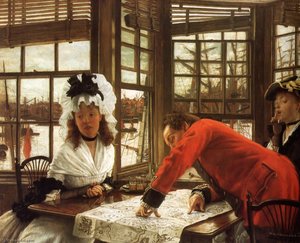
      Ammira "Una Tempesta Passata" di James Tissot: un'opera realista del 1876 che cattura la vita parigina con luce e dettagli magistrali. Scopri influenze Realismo e Japonisme!

      Riproduzione a olio fatta a mano

      Olio su tela dipinto a mano nelle tue dimensioni e con la tua cornice, realizzato su ordinazione dai nostri artisti. ( Passa alle stampe Passa all'immagine digitale)

      Corner sample of the P118B picture frame: moulded polystyrene, 5 cm wide and 3 cm thick
      P118B 10
      Corner sample of the P118H picture frame: moulded polystyrene, 5 cm wide and 3 cm thick
      P118H 10
      Corner sample of the P118W picture frame: moulded polystyrene, 5 cm wide and 3 cm thick
      P118W 10
      Corner sample of the P438Z picture frame: moulded polystyrene, 5.5 cm wide and 3.5 cm thick
      P438Z 10
      Corner sample of the P508JH picture frame: moulded polystyrene, 7 cm wide and 3.5 cm thick
      P508JH 12
      Corner sample of the P508YH picture frame: moulded polystyrene, 7 cm wide and 3.5 cm thick
      P508YH 12
      Corner sample of the P805H picture frame: moulded polystyrene, 5 cm wide and 3.5 cm thick
      P805H 10
      Corner sample of the P805Z picture frame: moulded polystyrene, 5 cm wide and 3.5 cm thick
      P805Z 10
      Corner sample of the P919BZ picture frame: moulded polystyrene, 7 cm wide and 3.5 cm thick
      P919BZ 10
      Corner sample of the P919G picture frame: moulded polystyrene, 7 cm wide and 3.5 cm thick
      P919G 10
      Corner sample of the P919XJ picture frame: moulded polystyrene, 7 cm wide and 3.5 cm thick
      P919XJ 10
      Corner sample of the P959ZH picture frame: moulded polystyrene, 5 cm wide and 3 cm thick
      P959ZH 10
      Corner sample of the P968JZ picture frame: moulded polystyrene, 6 cm wide and 4 cm thick
      P968JZ 12
      Corner sample of the W106C picture frame: solid wood, 5 cm wide and 3 cm thick
      W106C 8
      Corner sample of the W218G picture frame: solid wood, 5 cm wide and 3 cm thick
      W218G 10
      Corner sample of the W218JH picture frame: solid wood, 5 cm wide and 3 cm thick
      W218JH 8
      Corner sample of the W218Y picture frame: solid wood, 5 cm wide and 3 cm thick
      W218Y 10
      Corner sample of the W307PJ picture frame: solid wood, 6 cm wide and 3 cm thick
      W307PJ 10
      Corner sample of the W316G picture frame: solid wood, 6 cm wide and 3 cm thick
      W316G 10
      Corner sample of the W316PJ picture frame: solid wood, 6 cm wide and 3 cm thick
      W316PJ 8
      Corner sample of the W316Y picture frame: solid wood, 6 cm wide and 3 cm thick
      W316Y 10
      Corner sample of the W398PJ picture frame: solid wood, 5 cm wide and 3 cm thick
      W398PJ 8
      Corner sample of the W4111J picture frame: solid wood, 6.5 cm wide and 3.5 cm thick
      W4111J 10
      Corner sample of the W500HY picture frame: solid wood, 7 cm wide and 5 cm thick
      W500HY 15
      Corner sample of the W500JH picture frame: solid wood, 7 cm wide and 5 cm thick
      W500JH 15
      Corner sample of the W692G picture frame: solid wood, 8 cm wide and 4 cm thick
      W692G 12
      Corner sample of the W849H picture frame: solid wood, 5 cm wide and 3 cm thick
      W849H 8
      Corner sample of the W940BG picture frame: solid wood, 7.5 cm wide and 4.5 cm thick
      W940BG 15
      Corner sample of the W953PJ picture frame: solid wood, 6 cm wide and 3.5 cm thick
      W953PJ 8

      Standard
      personalizzato
      CM
      INCH

      Scegli tra le nostre dimensioni predefinite, che rispettano le proporzioni originali dell'opera d'arte.

      larghezza
      altezza

      È possibile inserire dimensioni personalizzate per adattare l'opera a una cornice o a uno spazio specifico. Se la dimensione selezionata non corrisponde alle proporzioni dell'immagine originale, provvederemo a ritagliare l'opera o a estendere il dipinto con elementi aggiuntivi dipinti a mano. Un mockup digitale ti sarà inviato per approvazione prima dell'inizio della produzione.
      Si prega di notare che l'anteprima a schermo non riflette il ritaglio o l'estensione effettivi. Solo il mockup mostrerà accuratamente la composizione finale.
      Sebbene siano disponibili dimensioni personalizzate, consigliamo di selezionare una dimensione dall'elenco predefinito per preservare le proporzioni originali.

      Esempi di personalizzazione: sostituire il volto con una foto del cliente; aggiungere un animale domestico (ad esempio, sostituire un gatto con un cane); inserire un messaggio nascosto nello sfondo; cambiare il paesaggio o gli elementi dello sfondo.
      Dopo l'ordine, il team di AllPaintingsStore.com contatterà il cliente via e-mail per ricevere le istruzioni e fornirà un'anteprima del mockup

      Consegna in tutto il mondo () in 3/4 settimane anziché nelle normali 5 settimane. (9 Ottobre). Nessun compromesso sulla qualità.

      Spedizione espressa gratuita in tutto il mondo
      Tela in lino di alta qualità
      Assicurazione completa sulla spedizione
      Garanzia di rimborso dei dazi doganali
      Garanzia di perfetta fedeltà cromatica
      Politica di reso entro 100 giorni (solo per difetti di fabbricazione)
      Garanzia di rimborso al 100%
      Sconto per acquisti multipli

      Prezzo totale

      € 222

      Pharaoh

      Tecnica di riproduzione

      Dimensioni della riproduzione

      -

      Prezzo totale

      € 222

      Dettagli rapidi

      • Notable elements or techniques: Visible brushstrokes, Layered paint build-up
      • Artistic style: Realistic Impressionism
      • Medium: Oil on Canvas
      • Movement: Impressionism
      • Year: 1902
      • Title: Pharaoh
      • Influences: French Romanticism

      Jacques Joseph Tissot’s “Pharaoh”: A Pastoral Reverie Captured in Oil

      The painting "Pharaoh," completed in 1902 by Jacques Joseph Tissot, stands as a testament to the artist's masterful blend of realism and impressionistic sensibilities. More than just a depiction of rural life—a genre favored by Tissot throughout his prolific career—it embodies a profound meditation on mortality and remembrance, subtly conveyed through meticulous observation and luminous color palettes. This artwork resides within AllPaintingsStore’s extensive collection, offering discerning viewers the opportunity to experience firsthand the beauty and depth of Tissot's vision.

      Subject Matter and Setting

      Tissot transports us to a tranquil English countryside scene—specifically, a hospice chapel where a grieving father holds the body of his deceased son. The composition centers around this poignant tableau, framed by expansive fields of wheat and grazing cows. These elements aren’t merely decorative; they serve as symbolic representations of life's cyclical nature – the golden wheat signifying harvest and renewal juxtaposed against the somber hues of mourning. The artist’s keen eye captures the textures of the landscape with remarkable accuracy, mirroring the subtle nuances of light and shadow that permeate the scene.

      Style and Technique: Impressionistic Realism

      Tissot's artistic approach defies easy categorization. While firmly rooted in realism—evident in his meticulous rendering of anatomical detail and accurate portrayal of natural forms—he imbues his canvases with an unmistakable impressionistic touch. Visible brushstrokes dance across the surface, creating a shimmering effect that captures the ephemeral quality of light filtering through the overcast sky. Layers upon layers of oil paint build up to achieve depth and luminosity, resulting in a textured surface that invites contemplation. The artist skillfully utilizes color—primarily earthy browns, tans, greens, and whites—to evoke feelings of serenity and melancholy simultaneously.

      Historical Context and Artistic Influences

      Tissot’s oeuvre reflects the broader artistic currents of his time – primarily influenced by Impressionism and Academic Painting traditions. He honed his skills under the tutelage of masters like Ingres and Lamothe, absorbing their stylistic precepts while forging his own distinctive voice. The painting's subject matter—the grieving father and son—resonates with Victorian sensibilities concerning death and mourning rituals, reflecting a period marked by heightened emotional awareness and artistic exploration of human experience.

      Symbolism and Emotional Impact

      Beyond its visual beauty, “Pharaoh” carries significant symbolic weight. The hospice chapel itself represents the sacred space of remembrance and solace, highlighting the universality of grief. The cows symbolize fertility and sustenance—a poignant reminder of life’s enduring presence even in the face of loss. Ultimately, Tissot's masterpiece compels viewers to confront mortality with compassion and grace, prompting reflection on themes of familial devotion and the bittersweet beauty of accepting inevitable endings. It is a painting that lingers in the mind long after viewing, offering an invitation to contemplate the profound connections between life and death—and the enduring power of art to illuminate the human condition.

      Domande e risposte

      Dove posso acquistare un'immagine digitale di "Pharaoh" di Jacques Joseph Tissot?

      È possibile acquistare un'immagine digitale di "Pharaoh" di Jacques Joseph Tissot su questa pagina: download di un'immagine digitale ad alta risoluzione.

      Quale colore domina la composizione di "Pharaoh" di Jacques Joseph Tissot?

      Il colore dominante di "Pharaoh" di Jacques Joseph Tissot è Driftwood (#8a713f).

      Quanti anni aveva Jacques Joseph Tissot quando è stata creata "Pharaoh"?

      Quando "Pharaoh" fu creata nel 1902, Jacques Joseph Tissot - nato nel 1836 - aveva 66 anni.

      Quale stato d'animo esprime "Pharaoh" di Jacques Joseph Tissot all'interno di Impressionism?

      "Pharaoh" trasmette un tono emotivo Tranquil all'interno del movimento Impressionism.

      In che anno è stata realizzata l'opera "Pharaoh" di Jacques Joseph Tissot?

      "Pharaoh" risale al 1902. La data colloca l'opera all'interno della carriera di Jacques Joseph Tissot e della sua epoca.

      In quale movimento e in quale epoca si colloca "Pharaoh" di Jacques Joseph Tissot?

      "Pharaoh" di Jacques Joseph Tissot si inserisce nel movimento Impressionism, all'interno dell'epoca XIX secolo del suo autore.

      Chi è l'artista dietro "Pharaoh"?

      "Pharaoh" è stata creata da Jacques Joseph Tissot. Le informazioni contenute in questa pagina descrivono l'opera originale di Jacques Joseph Tissot.


      Biografia dell'artista

      Early Life and Artistic Beginnings

      Jacques Joseph Tissot, born October 15, 1836, in Nantes, France, was destined for a life steeped in artistic passion from his earliest years. His father, a drapery merchant, instilled in him an appreciation for craftsmanship and detail—qualities that would profoundly shape his artistic vision. Simultaneously, his mother, a milliner, nurtured his sensitivity to beauty and fashion, exposing him to the vibrant world of Parisian society. Despite familial responsibilities, Tissot relentlessly pursued his artistic ambitions, enrolling at the École des Beaux-Arts in Paris where he honed his skills under the tutelage of luminaries like Ingres, Flandrin, and Lamothe. This formative period cemented his commitment to painting as a vocation and established him firmly within the influential Parisian art milieu.

      The Salon Years and Recognition

      Tissot’s debut at the Paris Salon in 1861 marked a pivotal moment—the unveiling of “The Meeting of Faust and Marguerite,” a dramatic tableau that captivated audiences and garnered considerable acclaim from critics. Purchased by the state for inclusion in the Luxembourg Gallery, this ambitious undertaking signaled Tissot's burgeoning reputation as a painter capable of capturing complex narratives and conveying profound emotion. Subsequent Salon exhibitions solidified his position within the artistic establishment, showcasing his evolving style and attracting commissions from prominent patrons. His early successes fueled confidence and propelled him toward exploring new subjects and techniques—a trajectory that would ultimately define his illustrious career.

      Genre Painting and Parisian Society

      Tissot’s artistic breakthrough arrived with his series “La Femme à Paris,” a meticulously observed depiction of the demi-mondaine world of late Victorian London. These paintings, characterized by their luminous color palettes and masterful rendering of textures—particularly fabrics—became synonymous with capturing the allure and dynamism of Parisian high society. Tissot's meticulous attention to detail extended beyond mere visual representation; he sought to convey not only appearances but also psychological nuances, reflecting the anxieties and aspirations of his subjects. His work stands as a testament to Impressionistic influences blended with realism, offering an unparalleled glimpse into the social customs and artistic sensibilities of the Belle Époque.

      Biblical Themes and Japonisme

      Throughout his prolific output, Tissot embraced diverse artistic inspirations—ranging from medieval narratives to biblical scenes—demonstrating remarkable versatility. His depictions of religious subjects, imbued with spiritual depth and emotional resonance, showcased his ability to elevate visual storytelling into profound contemplation. Simultaneously, he was captivated by Japonisme—the fascination with Japanese art and aesthetics that swept across Europe during the Victorian era—evident in compositions infused with asymmetrical arrangements and subtle color harmonies reminiscent of Japanese prints. This stylistic fusion underscored Tissot’s intellectual curiosity and his willingness to experiment with innovative artistic approaches.

      Later Years and Legacy

      Tissot's life took a dramatic turn when he enlisted in the Franco-Prussian War, serving on the French side—an experience that undoubtedly shaped his worldview. Following the war’s conclusion, he relocated to London where he pursued etching alongside Sir Seymour Haden and honed his artistic skills through portrait commissions and caricatures for Vanity Fair. His relationship with Kathleen Newton blossomed into a passionate companionship, providing him with enduring inspiration for numerous paintings. Tragically, Newton succumbed to tuberculosis in 1882—a profound loss that deeply affected Tissot’s creative output. Despite this sorrowful chapter, he continued to produce exceptional artwork until his death in 1902. Today, Jacques Joseph Tissot's legacy resides in museums across Europe and North America—most notably the Musée National Jean-Jacques Henner in Paris—where his celebrated paintings continue to inspire admiration for their artistic brilliance and evocative portrayal of Victorian life and faith. His enduring influence on genre painting and Impressionism secures his place as one of France’s most distinguished artists of the 19th century.
      Jacques Joseph Tissot

      Jacques Joseph Tissot

      1836 - 1902 , Francia

      Informazioni rapide

      • Artistic Movement Or Style: Genre Painting
      • Artists Or Movements Influenced By This Artist: ['Impressionism']
      • Artists Who Influenced This Artist:
        • Jean-Auguste Ingres
        • Gustave Courbet
      • Date Of Birth: October 15, 1836
      • Date Of Death: August 8, 1902
      • Full Name: Jacques Joseph Tissot
      • Nationality: French
      • Notable Artworks:
        • The Meeting of Faust and Marguerite
        • La Femme à Paris
      • Place Of Birth: Nantes, France
      Esplora le opere d'arte organizzate per temi, stili e caratteristiche.