


 Anteprima in scala reale
 Condividi
 Condividi
 Dettagli
 Guida stampabile

 Scarica
 Articoli simili
 Radiografia
 Slideshow
 Statistiche
Piccole chinoiserie blu

 Leggi tutto
Giclée / Stampe d'arte
Stampa giclée o su tela di qualità museale, con produzione rapida e diverse opzioni di finitura. ( Ordina la riproduzione dipinta a mano Passa all'immagine digitale)




P118B €10

P118H €10

P118W €10

P438Z €10

P508JH €12

P508YH €12

P805H €10

P805Z €10

P919BZ €10

P919G €10

P919XJ €10

P959ZH €10

P968JZ €12

W106C €8

W218G €10

W218JH €8

W218Y €10

W307PJ €10

W316G €10

W316PJ €8

W316Y €10

W398PJ €8

W4111J €10

W500HY €15

W500JH €15

W692G €12

W849H €8

W940BG €15

W953PJ €8




Scegli tra le nostre dimensioni predefinite, che rispettano le proporzioni originali dell'opera d'arte.

Inserisci la larghezza e l'altezza desiderate, per adattarle alla tua cornice o alla tua parete. Una stampa può essere solo ritagliata, mai resa più grande dell'immagine originale; pertanto, un formato con una forma differente comporterà la perdita di una parte dell'opera. Ti invieremo un mockup digitale da approvare prima di procedere con la stampa. L'immagine mostrata in questa pagina non rappresenta il ritaglio reale — solo il mockup lo mostra.
Consegna in tutto il mondo () in 2 settimane invece delle normali 4/5 settimane. (24 Ottobre)

Spedizione espressa gratuita in tutto il mondo

Tela in lino di alta qualità

Assicurazione completa sulla spedizione

Garanzia di rimborso dei dazi doganali

Garanzia di perfetta fedeltà cromatica

Politica di reso entro 100 giorni (solo per difetti di fabbricazione)

Garanzia di rimborso al 100%

Sconto per acquisti multipli
 L'opzione vetro è disponibile solo per dimensioni inferiori a 110 cm

Piccole chinoiserie blu
Giclée / Stampe d'arte
Dimensioni della riproduzione
-


Prezzo totale
€ 56
Un mondo intrecciato di maschere e ombre: “Petites Chinoiseries Bleues” di James Ensor
L'opera "Petites Chinoiseries Bleues" di James Ensor non è una semplice natura morta; è un tableau meticolosamente costruito di inquietante bellezza, una finestra sulla visione unicamente frammentata dell'artista. Dipinto nel 1906, questo lavoro incarna il cuore della filosofia artistica di Ensor: una deliberata sfumatura tra realtà e sogno, una fascinazione per il grottesco e un'esplorazione della psiche umana attraverso oggetti accuratamente disposti. Il dipinto ritrae un piano d'appoggio carico di una collezione di manufatti cinesi: ciotole di porcellana, delicate figurine, ventagli dai motivi intricati e una dispersione di bottiglie e tazze. Eppure, non sono gli oggetti in sé a detenere l'interesse primario, quanto piuttosto la loro disposizione, i loro colori e la presenza sottile, quasi minacciosa, di figure che si celano appena oltre la cornice. La tonalità dominante è un blu freddo e malinconico – un colore spesso associato all'introspezione, al lutto e all'inquietudine dell'uncanny – che permea la scena, conferendole un'atmosfera di silenziosa ansia. Questo uso deliberato del colore, combinato con lo stile inconfondibile di Ensor, stabilisce immediatamente un umore lontano dalla semplice rappresentazione.Il linguaggio delle maschere e dell'esotismo
La preoccupazione di Ensor per le maschere è centrale per comprendere la sua opera, e “Petites Chinoiseries Bleues” ne fornisce un esempio particolarmente potente. L'infanzia dell'artista, trascorsa nel negozio di souvenir dei suoi genitori, traboccante di maschere di carnevale e curiosità esotiche provenienti da tutto il mondo, ha plasmato profondamente la sua sensibilità artistica. Questi oggetti non erano semplici souvenir; erano portali verso altre culture, rappresentazioni di identità nascoste e simboli di travestimento. In questo dipinto, gli artefatti cinesi – in particolare le figurine di porcellana e i ventagli finemente decorati – funzionano come maschere metaforiche, celando significati più profondi e invitando a speculazioni sulle loro origini e sul loro significato. L'inclusione di elementi giapponesi — i ventagli e le stampe — enfatizza ulteriormente questo esotismo, riflettendo l'interesse di Ensor sia per le culture orientali che per il fascino dell' "altro". La disposizione stessa suggerisce un palcoscenico teatrale, con gli oggetti posizionati per creare una narrazione, seppur ambigua.Tecnica e composizione: un disagio deliberato
La tecnica di Ensor è caratterizzata da una pennellata audace ed espressiva e da una magistrale manipolazione del colore. Egli impiega un approccio frammentato, quasi spezzato, stratificando il colore in un impasto spesso per creare consistenza e profondità. La composizione è accuratamente bilanciata, eppure inquietantemente sbilanciata. Gli oggetti sono disposti con una deliberata asimmetria, creando un senso di tensione visiva. Si noti il modo in cui il blu domina, mutando sottilmente e riflettendo la luce in modi inaspettati. Le figure intraviste dietro il tavolo – spesso interpretate come servitori ombrosi o forse persino riflessi distorti dello stesso Ensor – contribuiscono a questa sensazione di disagio e suggeriscono un dramma nascosto che si svolge appena oltre la nostra percezione. L'uso della luce è particolarmente degno di nota; non è naturalistico, ma serve piuttosto ad esaltare l'impatto emotivo del dipinto, proiettando ombre lunghe e creando aree di oscurità che invitano l'immaginazione dello spettatore.Simbolismo e psiche dell'artista
“Petites Chinoiseries Bleues” risuona con temi di isolamento, mortalità e le ansie della vita moderna – preoccupazioni che erano sempre più prevalenti nel tempo di Ensor. La presenza di scheletri (impliciti attraverso le figurine di porcellana) fa sottile riferimento alla morte e alla decadenza, mentre l'atmosfera generale evoca un senso di malinconia e introspezione. Il dipinto può essere interpretato come una meditazione sull'artificiosità delle apparenze, sull'illusione del comfort e sulla oscurità nascosta sotto la superficie della vita quotidiana. È un'opera che premia l'osservazione ravvicinata e invita a una visione ripetuta, rivelando nuovi strati di significato a ogni incontro. Il titolo stesso – “Petites Chinoiseries” – suggerisce una focalizzazione sui piccoli dettagli, accennando alla capacità di Ensor di trovare un significato profondo in oggetti apparentemente insignificanti. In definitiva, "Petites Chinoiseries Bleues" è una testimonianza della visione artistica unica di Ensor: un'esplorazione di una bellezza inquietante e profondamente perturbante della condizione umana.Domande e risposte
Quale dimensione di stampa si consiglia per "Piccole chinoiserie blu" di James Ensor?
Per "Piccole chinoiserie blu" di James Ensor, si consiglia una riproduzione di Medium. Le dimensioni possono essere modificate mantenendo invariate le proporzioni.
I colori di "Piccole chinoiserie blu" di James Ensor sono saturi o desaturati?
I colori di "Piccole chinoiserie blu" di James Ensor hanno una saturazione Subtle Color. La saturazione descrive quanto i colori siano vivaci o attenuati.
Quale formato di stampa di "Piccole chinoiserie blu" di James Ensor si adatta alla stanza consigliata?
L'abbinamento consigliato per "Piccole chinoiserie blu" di James Ensor: una stampa di dimensioni Medium in un/una Zona giorno.
Opere correlate


Biografia dell'artista
vita e percorso artistico
james sidney edouard, baron ensor, un illustre pittore e incisore belga, nacque il 13 aprile 1860 a Ostend, Belgio. La sua giovinezza fu segnata da un background culturale diversificato, con un padre inglese, james frederic ensor, e una madre belga, maria catherina haegheman. Privo di interesse per gli studi accademici tradizionali, ensor lasciò la scuola a quindici anni per dedicarsi all'arte, ricevendo formazione da pittori locali e successivamente studiando presso l’Académie Royale des Beaux-Arts a Bruxelles.stile artistico e temi
Lo stile artistico di Ensor fu caratterizzato dalla sua esplorazione della mente inconscia e dalle immagini oniriche, che influenzarono significativamente l'espressionismo e il surrealismo. I suoi dipinti spesso presentavano soggetti bizzarri, tra cui carnevali, maschere, burattini, scheletri e allegorie fantastiche. Opere notevoli includono The Scandalized Masks (1883) e Skeletons Fighting Over a Hanged Man (1891), che mostrano il suo unico connubio tra lo grotesco e il fantastico.riconoscimento e eredità
Nonostante le prime resistenze, l'opera di Ensor ottenne gradualmente accettazione e ammirazione. Entro il 1920, fu oggetto di importanti mostre; nel 1929 fu nominato barone dal re Albert, e nel 1933 ricevette la Légion d’honneur. La sua eredità come figura pioniera nell'arte moderna è evidente nella sua influenza sui movimenti artistici successivi, tra cui l'espressionismo e il surrealismo.opere chiave ed esposizioni
* The Intrigue (90 x 150 cm, Koninklijk Museum voor Schone Kunsten, Anversa, Belgio) * Tribulations of Saint Anthony (1887, ora nel museo del modern art, New York)- Scopri di più sulla vita e l'opera di James Ensor su AllPaintingsStore: James Ensor
- Esplora il Museo Mu.Zee a Ostend, Belgio, che presenta una collezione di arte belga dal 1830 in poi su AllPaintingsStore: Discover the Museum Mu.Zee in Ostend, Belgium
- Impara di più sulla pittura simbolista e la sua influenza sull'espressionismo e il surrealismo su Wikipedia: Symbolist Painting
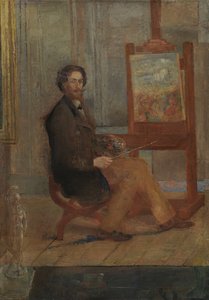
James Ensor
1860 - 1949 , Belgio
Informazioni rapide
- Artisti Influenti:
- Pieter Bruegel il Vecchio
- Francisco Goya
- James Abbott McNeill Whistler
- Artisti Influenzati:
- Espressionismo
- Surrealismo
- Data Di Nascita: 13 aprile 1860
- Luogo Di Nascita: Ostenda, Belgio
- Movimento Artistico: Espressionismo, Simbolismo
- Nazionalità: Belga
- Nome Completo: James Sidney Edouard Ensor
- Opere Notevoli:
- The Scandalized Masks
- Skeletons Fighting...
- Christ's Entry...
- Tribulations of Saint...
Articoli correlati

Le Visioni Grottesche di James Ensor: Commento Sociale e Innovazione Artistica
Esplora il mondo provocatorio di James Ensor, pioniere del Simbolismo Belga. Analisi approfondita delle sue opere più iconiche, tra satira sociale e innovazione artistica. Scopri il significato nascosto dietro maschere e scheletri.

The Allure of Azure: Exploring the Symbolic & Aesthetic Depths of Blue in Art History
Explore the rich history of blue in art! Discover its symbolism, from ancient pigments to modern masterpieces by Kandinsky & Seurat. Uncover the psychological impact and cultural meanings behind this captivating hue.
Sir Alfred James Munnings: I 25 Capolavori che Celebrano la Bellezza del Cavallo e della Campagna Inglese
Esplora i 25 capolavori di Alfred James Munnings, pittore inglese celebrato per la sua arte equestre e i paesaggi rurali. Scopri storie, tecniche e colori unici. Stampe d'arte e riproduzioni su AllPaintingsStore.com!
James Abbott McNeill Whistler: I 25 Capolavori che Definirono un'Epoca - Arte e Decorazioni di Lusso
Esplora i 25 capolavori di James Abbott McNeill Whistler, il maestro dell'estetismo e dei notturni. Scopri la storia, le tecniche e l'armonia unica nei suoi dipinti più famosi. Stampe d'arte e riproduzioni di alta qualità su AllPaintingsStore.com.
I 10 Dipinti Più Famosi Dominati dal Blu Ardesia: Storia, Arte e Decorazioni Raffinate
Esplora i 10 dipinti più iconici dominati dal blu ardesia! Scopri la storia, gli artisti e le tecniche dietro capolavori impressionisti e moderni. Trova riproduzioni artistiche di alta qualità per decorare casa con .


