- Home

- Stampa su tela
- James Ensor
- The Cathedral
 Ordina la riproduzione Acquista download
 Invia
Invia
 Condividi
 Dettagli opera
 Aggiungi ai preferiti

 Scarica
 Simili
 Radiografia
 Slideshow
The Cathedral

 Scopri di più
Giclée / Stampa d'arte
Stampa giclée o su tela di qualità museale, con produzione rapida e diverse opzioni di finitura.




P118B $10

P118H $10

P118W $10

P438Z $10

P508JH $12

P508YH $12

P805H $10

P805Z $10

P919BZ $10

P919G $10

P919XJ $10

P959ZH $10

P968JZ $12

W106C $8

W218G $10

W218JH $8

W218Y $10

W307PJ $10

W316G $10

W316PJ $8

W316Y $10

W398PJ $8

W4111J $10

W500HY $15

W500JH $15

W692G $12

W849H $8

W940BG $15

W953PJ $8




Scegli tra le nostre dimensioni predefinite, che rispettano le proporzioni originali dell'opera d'arte.

È possibile inserire dimensioni personalizzate per adattare l'opera a una cornice o a uno spazio specifico. Se la dimensione selezionata non corrisponde alle proporzioni dell'immagine originale, procederemo al ritaglio dell'opera o all'estensione dell'immagine con un bordo specchiato o a tinta unita. Un mockup digitale ti verrà inviato per approvazione prima dell'inizio della produzione.
Si prega di notare che l'anteprima a schermo non riflette il ritaglio o l'estensione effettivi. Solo il mockup mostrerà accuratamente la composizione finale.
Sebbene siano disponibili dimensioni personalizzate, si raccomanda di selezionare una dimensione dall'elenco predefinito per preservare le proporzioni originali.
Consegna in tutto il mondo () in 2 settimane invece delle normali 4/5 settimane. (20 Luglio)

Spedizione espressa gratuita in tutto il mondo

Tela in lino di alta qualità

Assicurazione completa sulla spedizione

Garanzia di rimborso dei dazi doganali

Garanzia di fedeltà cromatica

Politica di reso entro 60 giorni (solo per difetti)

Garanzia di rimborso al 100%

Sconto per acquisti multipli
 L'opzione vetro è disponibile solo per dimensioni inferiori a 110 cm

The Cathedral
Giclée / Stampa d'arte
Dimensioni riproduzione
-


Prezzo totale finale
-
Descrizione dell'opera
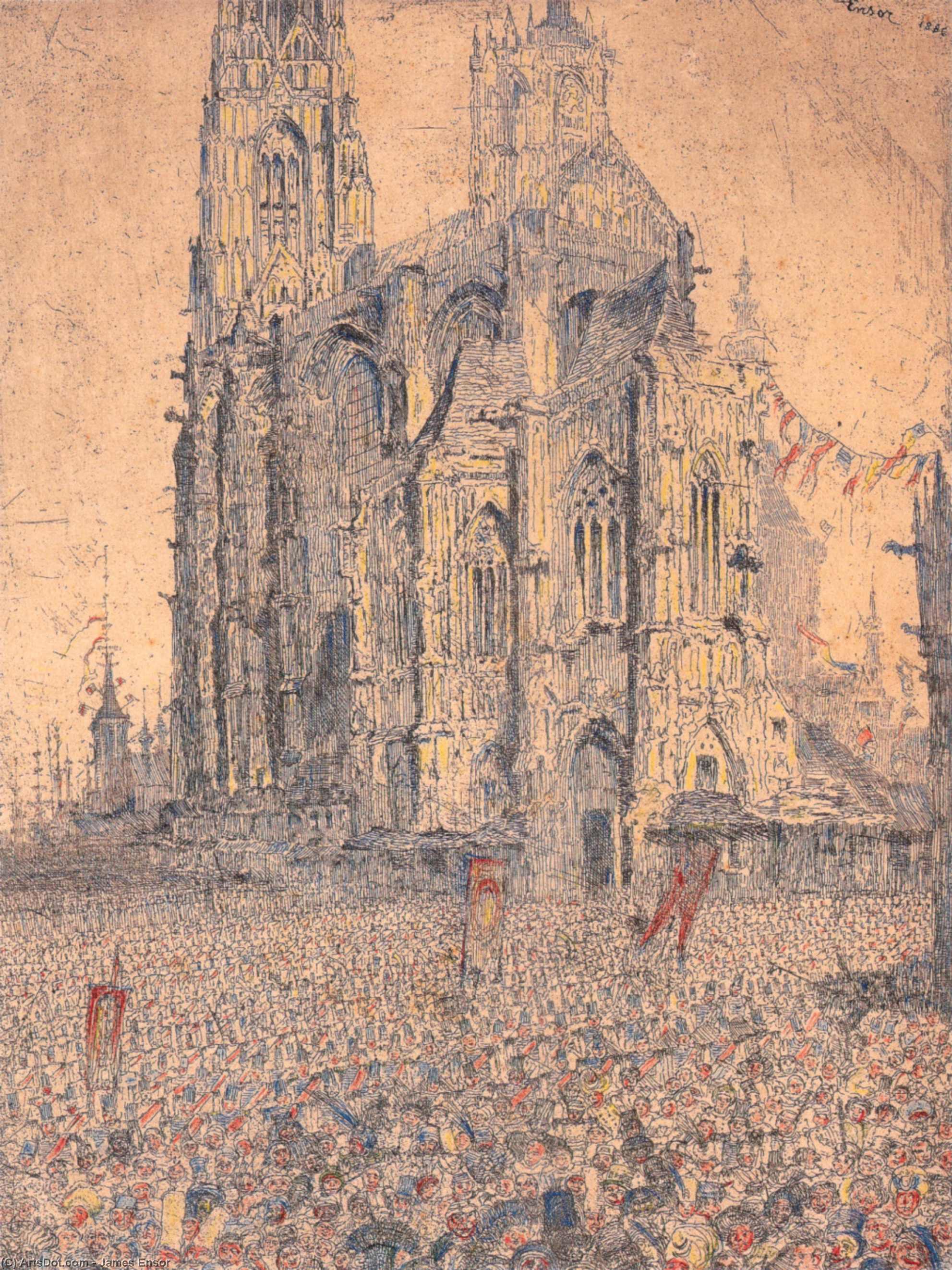
James Ensor’s Cathedral: A Portrait of Belgian Identity
- Subject Matter & Composition:
- Style & Technique:
- Historical Context & Influences:
- Symbolism & Interpretation:
- Emotional Resonance & Legacy:
Style & Technique
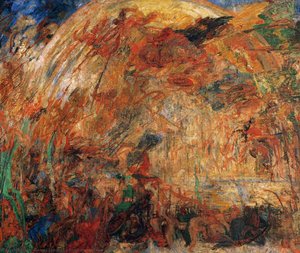
Ensor’s distinctive style is immediately recognizable as Symbolist and Expressionist, blending elements of both traditions into a powerfully emotive visual language. He eschewed academic conventions, prioritizing subjective feeling over objective representation. The artist employed thick impasto—a technique characterized by heavily textured paint—to convey the physicality of the cathedral walls and the solemn faces of the worshippers. Color palettes are muted yet deliberate, favoring earthy tones punctuated by splashes of crimson and gold, colors that heighten the dramatic impact of the scene. Ensor’s meticulous attention to detail is balanced by a disconcerting disregard for perspective, creating an unsettling atmosphere that reflects his preoccupation with psychological states.Historical Context & Influences
“The Cathedral” emerged from a period marked by significant social and intellectual upheaval in Belgium—the aftermath of World War I and the burgeoning influence of psychoanalysis. Ensor’s artistic sensibilities were profoundly shaped by thinkers like Sigmund Freud, whose theories explored the unconscious mind and challenged traditional notions of rationality. The cathedral itself represents a symbol of faith and tradition, juxtaposed against the anxieties of a rapidly changing world. Ensor's fascination with masks—a recurring motif in his oeuvre—finds expression here, perhaps suggesting that appearances conceal deeper truths and that individuals are often confronted by hidden emotions and desires.Symbolism & Interpretation
Beyond its formal elements, “The Cathedral” is laden with symbolic significance. The towering towers symbolize authority and permanence, yet they also cast long shadows over the congregation below, hinting at doubt and uncertainty. The crowd’s faces are rendered with unflinching honesty, conveying a spectrum of emotions—prayerful devotion mingled with apprehension and melancholy. Ensor deliberately disrupts conventional compositional conventions to heighten psychological tension, inviting viewers to confront uncomfortable realities about human nature and societal anxieties.Emotional Resonance & Legacy
“The Cathedral” continues to resonate powerfully with audiences today due to its masterful depiction of human emotion and its exploration of existential themes. It captures a moment of collective vulnerability—a confrontation with the sublime grandeur of faith alongside the pervasive sense of unease that characterizes modern life. Ensor’s uncompromising artistic vision cemented his place as one of Belgium's most important artists, inspiring generations of subsequent painters and cementing “The Cathedral” as an enduring emblem of Symbolist Expressionism and a poignant reflection on the human condition. Its reproductions offer a captivating glimpse into Ensor’s distinctive aesthetic and invite contemplation on themes of identity, faith, and psychological complexity.Opere simili


Biografia dell'artista
vita e percorso artistico
james sidney edouard, baron ensor, un illustre pittore e incisore belga, nacque il 13 aprile 1860 a Ostend, Belgio. La sua giovinezza fu segnata da un background culturale diversificato, con un padre inglese, james frederic ensor, e una madre belga, maria catherina haegheman. Privo di interesse per gli studi accademici tradizionali, ensor lasciò la scuola a quindici anni per dedicarsi all'arte, ricevendo formazione da pittori locali e successivamente studiando presso l’Académie Royale des Beaux-Arts a Bruxelles.stile artistico e temi
Lo stile artistico di Ensor fu caratterizzato dalla sua esplorazione della mente inconscia e dalle immagini oniriche, che influenzarono significativamente l'espressionismo e il surrealismo. I suoi dipinti spesso presentavano soggetti bizzarri, tra cui carnevali, maschere, burattini, scheletri e allegorie fantastiche. Opere notevoli includono The Scandalized Masks (1883) e Skeletons Fighting Over a Hanged Man (1891), che mostrano il suo unico connubio tra lo grotesco e il fantastico.riconoscimento e eredità
Nonostante le prime resistenze, l'opera di Ensor ottenne gradualmente accettazione e ammirazione. Entro il 1920, fu oggetto di importanti mostre; nel 1929 fu nominato barone dal re Albert, e nel 1933 ricevette la Légion d’honneur. La sua eredità come figura pioniera nell'arte moderna è evidente nella sua influenza sui movimenti artistici successivi, tra cui l'espressionismo e il surrealismo.opere chiave ed esposizioni
* The Intrigue (90 x 150 cm, Koninklijk Museum voor Schone Kunsten, Anversa, Belgio) * Tribulations of Saint Anthony (1887, ora nel museo del modern art, New York)- Scopri di più sulla vita e l'opera di James Ensor su AllPaintingsStore: James Ensor
- Esplora il Museo Mu.Zee a Ostend, Belgio, che presenta una collezione di arte belga dal 1830 in poi su AllPaintingsStore: Discover the Museum Mu.Zee in Ostend, Belgium
- Impara di più sulla pittura simbolista e la sua influenza sull'espressionismo e il surrealismo su Wikipedia: Symbolist Painting
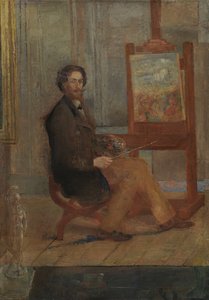
James Ensor
1860 - 1949 , Belgio
Dati rapidi
- Artisti Influenti:
- Pieter Bruegel il Vecchio
- Francisco Goya
- James Abbott McNeill Whistler
- Artisti Influenzati:
- Espressionismo
- Surrealismo
- Data Di Nascita: 13 aprile 1860
- Luogo Di Nascita: Ostenda, Belgio
- Movimento Artistico: Espressionismo, Simbolismo
- Nazionalità: Belga
- Nome Completo: James Sidney Edouard Ensor
- Opere Notevoli:
- The Scandalized Masks
- Skeletons Fighting...
- Christ's Entry...
- Tribulations of Saint...
Articoli correlati

Le Visioni Grottesche di James Ensor: Commento Sociale e Innovazione Artistica
Esplora il mondo provocatorio di James Ensor, pioniere del Simbolismo Belga. Analisi approfondita delle sue opere più iconiche, tra satira sociale e innovazione artistica. Scopri il significato nascosto dietro maschere e scheletri.

Sacred Narratives on Canvas: Exploring Religious Scenes & Their Enduring Influence
Explore the rich history of religious art from Giotto to the Renaissance masters with AllPaintingsStore. Discover symbolism, techniques & enduring legacies. Museum-quality reproductions available.

Dalla Concezione alla Tela: Sfruttare i Mockup Digitali per la Precisione e la Soddisfazione del Cliente nella Riproduzione di Dipinti a Olio Personalizzati
Crea il dipinto personalizzato dei tuoi sogni con AllPaintingsStore! Mockup digitali per precisione e soddisfazione garantita. Artisti esperti, materiali di alta qualità e consulenza gratuita.

Illuminating Faith: Biblical Scenes & Their Enduring Legacy in Art History
Explore the profound history of biblical art! Discover Renaissance masterpieces by Giotto & more. Uncover symbolism, artistic techniques, and lasting influence. Expert insights at AllPaintingsStore.

Dallo Scatto al Pennello: Trasformare le Fotografie di Viaggio in Dipinti a Olio Senza Tempo
Trasforma le tue foto di viaggio in dipinti a olio senza tempo realizzati da artisti esperti. Qualità museale, commissioni personalizzate e un ricordo prezioso per sempre. Richiedi un preventivo!