


 Anteprima in scala reale
 Condividi
 Condividi
 Dettagli
 Guida
Guida

 Scarica
 Articoli simili
 Radiografia
 Slideshow
 Statistiche
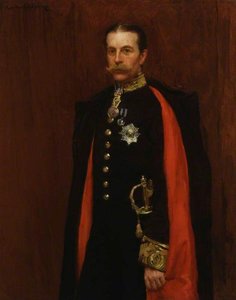
Arthur, Duke of Connaught and Strathearn (1850–1942) (copy after John Singer Sargent)
 1930
1930 165.0 x 111.0 cm
 Collezione d'Arte del Governo
 Leggi tutto
Riproduzione a olio fatta a mano
Olio su tela dipinto a mano nelle tue dimensioni e con la tua cornice, realizzato su ordinazione dai nostri artisti. ( Passa alle stampe Passa all'immagine digitale)




































Scegli tra le nostre dimensioni predefinite, che rispettano le proporzioni originali dell'opera d'arte.

È possibile inserire dimensioni personalizzate per adattare l'opera a una cornice o a uno spazio specifico. Se la dimensione selezionata non corrisponde alle proporzioni dell'immagine originale, provvederemo a ritagliare l'opera o a estendere il dipinto con elementi aggiuntivi dipinti a mano. Un mockup digitale ti sarà inviato per approvazione prima dell'inizio della produzione.
Si prega di notare che l'anteprima a schermo non riflette il ritaglio o l'estensione effettivi. Solo il mockup mostrerà accuratamente la composizione finale.
Sebbene siano disponibili dimensioni personalizzate, consigliamo di selezionare una dimensione dall'elenco predefinito per preservare le proporzioni originali.
Dopo l'ordine, il team di AllPaintingsStore.com contatterà il cliente via e-mail per ricevere le istruzioni e fornirà un'anteprima del mockup
Consegna in tutto il mondo () in 3/4 settimane anziché nelle normali 5 settimane. (21 Settembre). Nessun compromesso sulla qualità.

Spedizione espressa gratuita in tutto il mondo

Tela in lino di alta qualità

Assicurazione completa sulla spedizione

Garanzia di rimborso dei dazi doganali

Garanzia di perfetta fedeltà cromatica

Politica di reso entro 100 giorni (solo per difetti di fabbricazione)

Garanzia di rimborso al 100%

Sconto per acquisti multipli
 L'opzione vetro è disponibile solo per dimensioni inferiori a 110 cm

Arthur, Duke of Connaught and Strathearn (1850–1942) (copy after John Singer Sargent)
Tecnica di riproduzione
Dimensioni della riproduzione
-


Prezzo totale
$ 258
Opere correlate



Biografia dell'artista
Early Life and Artistic Foundations
James Peter Quinn, born in Melbourne, Australia, in 1869, emerged as a significant figure in Australian portraiture at the turn of the twentieth century. His artistic journey began with formative studies under Frederick McCubbin at the National Gallery of Victoria Art School, laying a foundation steeped in the traditions of Australian landscape painting. This early exposure was broadened by tutelage from George Folingsby and Bernard Hall, further refining his skills before he embarked on an ambitious period of study in Paris between 1893 and 1901. At the Académie Julian and École des Beaux-Arts, under the guidance of Jean Paul Laurens, Quinn absorbed the techniques and aesthetic sensibilities of European academic art—a crucial step that would shape his distinctive style. His time at the Etaples art colony in northern France proved particularly influential, fostering camaraderie with fellow Australian artists like Rupert Bunny and Hilda Rix Nicholas, and exposing him to a vibrant artistic community.The Rise of a Portraitist
By 1904, Quinn had firmly established himself as a highly sought-after portrait painter. His work resonated with an audience captivated by his ability to capture not merely likenesses but the very essence of his sitters. Exhibiting at the prestigious Royal Academy of Arts signaled his arrival on the international art scene. The recognition he received in 1912, with an honourable mention for *Mère et Fils* (a portrait of his wife and son) at the Salon in Paris, further cemented his reputation. This success led to a series of commissions from prominent figures—Joseph Chamberlain, the Duchess of York, and even the Duke of Windsor all entrusted their portraits to Quinn’s skilled hand. He possessed an innate talent for conveying social status and personality through meticulous detail and subtle nuances of expression.Wartime Service and the Portrait of Monash
The outbreak of World War I brought a new dimension to Quinn's career, as he was appointed official war artist for the First AIF. While tasked with documenting the conflict, his focus shifted towards portraying the officers serving in France. This period proved fraught with challenges, marked by friction with authorities and fellow artists—a testament to his independent spirit and uncompromising artistic vision. However, it also yielded one of his most enduring masterpieces: the portrait of General Sir John Monash, Commander-in-Chief of the Australian Corps. Monash, a pivotal figure in the Allied victory at Amiens in 1918, became an iconic subject for Quinn. The resulting portrait, celebrated for its powerful depiction of leadership and integrity, remained within the Monash-Bennett family for decades before being gifted to the National Portrait Gallery of Australia in Canberra. It served as the model for the prestigious Monash Medal, awarded annually to Australians who demonstrate exceptional service to their community.Later Years and Artistic Legacy
Following his wartime experiences, Quinn continued his work with Canadian War Records before returning to Australia in December 1935 after the tragic loss of his son René. Back on Australian soil, he rejoined the Victorian Artists Society, even serving as its president for a remarkable twelve years. He also became a founding member of the Australian Academy of Art, an organisation established by Robert Menzies that championed traditional artistic values. Despite his conservative affiliations, Quinn’s openness to modern art often led to public confrontations and debates—underscoring his complex relationship with the evolving art world. Throughout his later years, he continued to exhibit his paintings and impart his knowledge as a teacher at the National Gallery of Victoria Art School. A commemorative exhibition in 1980, curated by Alison Fraser, brought renewed attention to his portraiture, rescuing it from relative obscurity and solidifying his place in Australian art history. Quinn’s legacy lies not only in his masterful portraits but also in his ability to capture the spirit of an era—a testament to his enduring artistic vision and unwavering commitment to his craft.
james peter quinn
1869 - 1951
Informazioni rapide
- Artistic Movement Or Style: Portraiture, Realism
- Artists Who Influenced This Artist:
- Frederick McCubbin
- George Folingsby
- Bernard Hall
- Jean Paul Laurens
- Date Of Birth: December 4, 1869
- Date Of Death: February 18, 1951
- Full Name: James Peter Quinn
- Nationality: Australian
- Notable Artworks:
- Dr Robert Aitken
- Mère et Fils
- General Sir John Monash
- Place Of Birth: Melbourne, Australia

