


 Anteprima in scala reale
 Invia
Invia Condividi
 Dettagli opera
 Guida
Guida

 Scarica
 Simili
 Radiografia
 Slideshow
 Statistiche
Triptych
 Oil On Panel
- Northern Renaissance
 1510
1510- Renaissance
 73.0 x 56.0 cm
 Wallraf-Richartz-Museum
 Espandi i dettagli
Riproduzione a olio fatta a mano
Olio su tela dipinto a mano nelle tue dimensioni e con la tua cornice, realizzato su ordinazione dai nostri artisti. ( Passa alle stampe Passa all'immagine digitale)




P118B €10

P118H €10

P118W €10

P438Z €10

P508JH €12

P508YH €12

P805H €10

P805Z €10

P919BZ €10

P919G €10

P919XJ €10

P959ZH €10

P968JZ €12

W106C €8

W218G €10

W218JH €8

W218Y €10

W307PJ €10

W316G €10

W316PJ €8

W316Y €10

W398PJ €8

W4111J €10

W500HY €15

W500JH €15

W692G €12

W849H €8

W940BG €15

W953PJ €8




Scegli tra le nostre dimensioni predefinite, che rispettano le proporzioni originali dell'opera d'arte.

Inserisci la larghezza e l'altezza desiderate, per adattarle alla tua cornice o alla tua parete. Trattandosi di un'opera dipinta a mano, in caso di dimensioni con un formato differente, l'artista può estendere leggermente il dipinto oltre i bordi dell'immagine o ritagliare una piccola parte — la scelta spetta a te. Ti invieremo un mockup digitale da approvare prima che la realizzazione abbia inizio. L'immagine mostrata in questa pagina non rappresenta il risultato finale — solo il mockup lo fa.
Dopo l'ordine, il team di AllPaintingsStore.com contatterà il cliente via e-mail per ricevere le istruzioni e fornirà un'anteprima del mockup
Consegna in tutto il mondo () in 3/4 settimane anziché nelle normali 5 settimane. (26 Ottobre). Nessun compromesso sulla qualità.

Spedizione espressa gratuita in tutto il mondo

Tela in lino di alta qualità

Assicurazione completa sulla spedizione

Garanzia di rimborso dei dazi doganali

Garanzia di fedeltà cromatica assoluta

Politica di reso entro 100 giorni (solo per difetti di fabbricazione)

Garanzia di rimborso al 100%

Offerta per acquisti multipli
 L'opzione vetro è disponibile solo per dimensioni inferiori a 110 cm

Triptych
Tecnica di riproduzione
Dimensioni riproduzione
-


Prezzo finale calcolato
€ 227
A Window into the Devotion of the Northern Renaissance
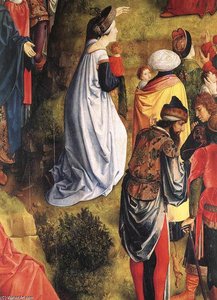
In the quiet, hallowed atmosphere of the Wallraf-Richartz-Museum in Cologne, there exists a portal to a bygone era of profound spiritual intensity. Jan De Beer’s Triptych, dating from approximately 1510, is not merely a painting but a sacred architectural experience rendered in oil and oak. As one approaches these three panels, the viewer is immediately enveloped by the dramatic grandeur of the Northern Renaissance. This masterpiece serves as a breathtaking testament to an age where art was the primary vessel for divine communication, blending the meticulous realism of the Netherlandish tradition with a burgeoning sense of theatrical scale.
The composition unfolds across three distinct panels, each measuring 73 x 56 cm, creating a rhythmic movement that guides the eye through scenes of solemn religious gatherings. De Beer utilizes the unique format of the triptych to orchestrate a narrative flow, where the central focus is anchored by grand Gothic architecture. These soaring arches and intricate stone details do more than provide a setting; they act as a symbolic bridge between the earthly realm of the figures depicted and the celestial heavens above. The artist’s ability to render light filtering through these imagined cathedrals creates a sense of depth that pulls the observer into the very heart of the liturgy.
Mastery of Light and Netherlandish Detail
The technical brilliance of Jan De Beer lies in his command over the oil medium, a technique that allowed for the exquisite layering of glazes to achieve unparalleled luminosity. Every inch of this work reveals a devotion to detail that is characteristic of the period's finest practitioners. One can observe the heavy, rich textures of ceremonial garments, the subtle sheen on polished surfaces, and the atmospheric haze that lends a sense of profound stillness to the religious assembly. This meticulous approach ensures that even the smallest element—a fold in a cloak or the shadow cast by a pillar—contributes to the overall emotional weight of the piece.
For the discerning collector or interior designer, this triptych offers an unparalleled opportunity to introduce a sense of historical gravity and sophisticated elegance into a space. The interplay of light and shadow within the painting provides a dynamic visual interest that evolves with the ambient lighting of a room. Whether placed in a curated gallery setting or as a focal point in a stately library, the work commands attention through its quiet power rather than through mere ornamentation. It is an invitation to contemplate the intersection of human craftsmanship and spiritual aspiration.
A Timeless Legacy for Modern Interiors
Beyond its historical significance, the Triptych resonates with a contemporary appreciation for storytelling and structural beauty. The piece embodies a sense of "sacred drama," where the solemnity of the figures evokes a meditative state in the viewer. This emotional resonance makes it an ideal choice for those seeking to decorate spaces intended for reflection, study, or high-end hospitality environments that require a touch of Old World prestige.
Owning a high-quality reproduction of such a significant work allows one to preserve the legacy of Jan De Beer within a modern context. It brings the rich textures and the somber, beautiful palette of the 16th century into the present day, offering a sophisticated layer of cultural depth. To display this triptych is to celebrate the enduring human desire to capture the sublime through the mastery of paint and wood.
Domande e risposte
Che tipo di opera d'arte è "Triptych" di Jan De Beer?
"Triptych" di Jan De Beer è classificato come wall art. La categoria descrive la tipologia di opera d'arte dell'originale.
Qual è il colore dominante di "Triptych" di Jan De Beer?
Il colore che risalta maggiormente in "Triptych" è Clay (#b76d45). Il colore dominante è utile per abbinare un'opera d'arte a un ambiente interno.
Quale tavolozza di colori viene utilizzata in "Triptych" di Jan De Beer?
La tavolozza di "Triptych" di Jan De Beer è descritta come Earthy: una sintesi cromatica dell'opera.
Opere simili



Biografia dell'artista
Il Maestro del Manierismo di Anversa
Jan De Beer si staglia come una figura luminosa all'alba del XVI secolo, un'epoca di profonda transizione spirituale e artistica nei Paesi Bassi. Attivo principalmente ad Anversa, fu un protagonista centrale in un gruppo di pittori, fluido ma influente, noto come i Manieristi di Anversa. Per molti anni, la sua identità individuale rimase avvolta nel mistero, poiché gran parte della sua opera era attribuita al Maestro dell'Adorazione di Milano. Fu solo grazie agli instancabili sforzi degli storici dell'arte nel XX secolo che De Beer fu riscoperto e sottratto alle ombre dell'anonimamento, rivelando un pittore dotato di immensa abilità tecnica e profonda devozione religiosa.
Nato in una stirpe artistica come figlio del pittore Claes de Beer, il percorso di Jan fu tracciato dalle tradizioni del suo mestiere. La sua formazione precoce sotto la guida di Gillis van Everen gli fornì le basi dello meticoloso stile fiammingo, eppure egli riuscì a trascendere la mera imitazione. Già nel 1504, aveva raggiunto il prestigioso status di maestro all'interno della Gilda di San Luca di Anversa, arrivando infine alla stimata carica di decano. La sua vita professionale era profondamente intrecciata con il commercio vibrante e frenetico e con il fervore religioso di Anversa, dove gestì un laboratorio vasto e produttivo che plasmò il linguaggio visivo dell'epoca.
Una Sinfonia di Devozione e Dettaglio
L'opera di Jan De Beer è caratterizzata da un connubio mozzafiato tra il realismo del Rinascimento settentrionale e un nascente senso della teatralità. Le sue composizioni fungono spesso da finestre sacre, invitando lo spettatore in momenti di incontro divino. In capolavori come la sua Annunciazione, si scopre un mondo in cui i regni celesti e terrestri respirano all'unisono. Egli possedeva una capacità singolare di rendere il peso di un pesante abito cerimoniale o la delicata e traslucida lucentezza di un calice di vino con tale precisione che gli oggetti sembrano dotati di vita propria. Questa maestria nel medium dell'olio gli permise di impiegare sottili sfumature di luce e ombra, creando un senso di volume e profondità che trascina l'osservatore nel cuore della narrazione.
Oltre alla pura virtuosismo tecnico, l'arte di De Beer è intessuta in un ricco arazzo di simbolismo. Che sia attraverso la presenza di uccelli che accennano alla grazia divina o la grandezza architettonica degli archi gotici che fungono da ponti verso i cieli, ogni elemento della sua opera è intriso di significato. I suoi trittici, come quelli risalenti approssimativamente al 1510 e al 1515, dimostrano un comando sofisticato del flusso narrativo, utilizzando molteplici pannelli per orchestrare complessi drammi religiosi che si muovono tra intimi santuari interni ed espanse vedute illuminate dal sole. In queste opere, la meticolosa maestria della tradizione settentrionale incontra un emergente interesse per l'interazione umana e la scala architettonica.
Eredità e Significato Storico
Sebbene il suo nome sia caduto nell'oscurità dopo la fine del XVI secolo, l'influenza di Jan De Beer è perdurata attraverso l'impatto duraturo dello stile manierista di Anversa. Fu contemporaneo di altre grandi figure come Quentin Matsys e potrebbe persino aver collaborato con innovatori del paesaggio come Joachim Patinir. La sua capacità di mantenere fama e rispetto durante la sua vita — come annotato dal biografo italiano Lodovico Guicciardini — testimonia l'alta stima in cui era considerato dai suoi pari.
Oggi, De Beer è riconosciuto non solo come un abile artigiano, ma come un artista che ha catturato l'anima stessa di un periodo in transizione. La sua eredità riscoperta offre un legame vitale con l'intensità spirituale del primo Cinquecento, ricordandoci un'epoca in cui l'arte fungeva da principale veicolo per la comunicazione divina e dove ogni pennellata era un atto di profonda fede.

Jan De Beer
1475 - 1528 , Italia
Dettagli rapidi
- Artistic Movement Or Style: Manierismo di Anversa
- Date Of Birth: 1475
- Date Of Death: 1528
- Full Name: Jan De Beer
- Notable Artworks:
- Madonna col Bambino con un pellegrino e un angelo
- Trittico
- Annunciazione
- Place Of Birth: Paesi Bassi
Articoli correlati

Riguardo a noi
Scopri la nostra storia! Portiamo l'arte di livello mondiale nella tua vita grazie a una selezione esperta, creazioni personalizzate e anteprime gratuite. Approvato da privati e aziende dal 2000.
Goya: I 25 Capolavori Immortali dell'Anima Spagnola | AllPaintingsStore
Esplora i 25 capolavori di Francisco Goya, il genio spagnolo tra Romanticismo e Realismo. Ritratti iconici, 'Los Caprichos' e le toccanti 'Disastri della Guerra'. Trova stampe su tela e riproduzioni artistiche di alta qualità per la tua casa su AllPaintingsStore.com.

Beyond Borders: The Spiritual & Stylistic Innovations of International Gothic Art
Explore the exquisite beauty & spiritual depth of International Gothic art. Discover key artists like Simone Martini & Pol de Limbourg, its origins, symbolism, and lasting influence on European painting. Expert insights at AllPaintingsStore.

Gothic Vibes: From Dark Shadows to Bold Modern Edge | The Ultimate Trend Forecast
Explore the evolution of Gothic vibes, from historical shadows to bold modern edge. Discover how dark aesthetics, noir interiors, and contemporary subcultures are redefining modern design through a high-impact, trend-focused lens.

Shadows & Splendor: A Journey Through the Soul of Gothic Art and Architectural Grandeur
Embark on a profound journey through the spiritual intensity of Gothic art. Explore the architectural marvels, luminous stained glass, and sacred sculptures that define this era of grandeur and human devotion.


