


 Anteprima in scala reale
 Condividi
 Condividi
 Dettagli
 Guida
Guida

 Scarica
 Articoli simili
 Radiografia
 Slideshow
 Statistiche
Giovanni Battista (o Santo Paolo) Predicando
 Acrilico su tela
- Opere da parete
- Northern Renaissance
 1520
1520 133.0 x 113.0 cm
 British Museum
 Leggi tutto
Riproduzione a olio fatta a mano
Olio su tela dipinto a mano nelle tue dimensioni e con la tua cornice, realizzato su ordinazione dai nostri artisti. ( Passa alle stampe Passa all'immagine digitale)




P118B $10

P118H $10

P118W $10

P438Z $10

P508JH $12

P508YH $12

P805H $10

P805Z $10

P919BZ $10

P919G $10

P919XJ $10

P959ZH $10

P968JZ $12

W106C $8

W218G $10

W218JH $8

W218Y $10

W307PJ $10

W316G $10

W316PJ $8

W316Y $10

W398PJ $8

W4111J $10

W500HY $15

W500JH $15

W692G $12

W849H $8

W940BG $15

W953PJ $8




Scegli tra le nostre dimensioni predefinite, che rispettano le proporzioni originali dell'opera d'arte.

È possibile inserire dimensioni personalizzate per adattare l'opera a una cornice o a uno spazio specifico. Se la dimensione selezionata non corrisponde alle proporzioni dell'immagine originale, provvederemo a ritagliare l'opera o a estendere il dipinto con elementi aggiuntivi dipinti a mano. Un mockup digitale ti sarà inviato per approvazione prima dell'inizio della produzione.
Si prega di notare che l'anteprima a schermo non riflette il ritaglio o l'estensione effettivi. Solo il mockup mostrerà accuratamente la composizione finale.
Sebbene siano disponibili dimensioni personalizzate, consigliamo di selezionare una dimensione dall'elenco predefinito per preservare le proporzioni originali.
Dopo l'ordine, il team di AllPaintingsStore.com contatterà il cliente via e-mail per ricevere le istruzioni e fornirà un'anteprima del mockup
Consegna in tutto il mondo () in 3/4 settimane anziché nelle normali 5 settimane. (21 Settembre). Nessun compromesso sulla qualità.

Spedizione espressa gratuita in tutto il mondo

Tela in lino di alta qualità

Assicurazione completa sulla spedizione

Garanzia di rimborso dei dazi doganali

Garanzia di perfetta fedeltà cromatica

Politica di reso entro 100 giorni (solo per difetti di fabbricazione)

Garanzia di rimborso al 100%

Sconto per acquisti multipli
 L'opzione vetro è disponibile solo per dimensioni inferiori a 110 cm

Giovanni Battista (o Santo Paolo) Predicando
Tecnica di riproduzione
Dimensioni della riproduzione
-


Prezzo totale
$ 258
Un Maestro della Narrazione Biblica: Jan Swart van Groningen e il suo "Giovanni Battista (o Apostolo Paolo)"
Jan Swart van Groningen (1495 – 1563) rappresenta una figura chiave nel panorama artistico del Rinascimento fiammingo, un pittore capace di catturare l'anima delle storie religiose con una maestria tecnica e una profondità emotiva che ancora oggi affascinano gli esperti d’arte e gli appassionati. La sua opera più celebre, "Giovanni Battista (o Apostolo Paolo)" del 1520, custodita nel British Museum di Londra, è un esempio emblematico della sua visione artistica e della capacità di comunicare significati complessi attraverso l'immagine.Uno Stile Innovativo Influenzato da Scorel
Lo stile di Swart van Groningen si distingue per una straordinaria attenzione ai dettagli e alla resa atmosferica, caratteristiche che egli condivide con altri artisti contemporanei come Jan van Scorel. Questo maestro dell’olio aveva rivoluzionato le tecniche pittoriche del suo tempo, introducendo nuove soluzioni prospettiche e sfruttando abilmente la luce naturale per creare effetti di profondità e volume incredibili. Swart, influenzato da Scorel, aderì a questo approccio innovativo, ottenendo risultati sorprendenti nella rappresentazione della natura e delle emozioni umane. L'utilizzo sapiente dello sfumato permette una morbida transizione tra luci e ombre, creando un senso di spazio reale che invita lo spettatore ad immergersi nell’atmosfera del dipinto.Il Contesto Storico: Firenze e l'Influenza Italiana
La produzione artistica di Swart van Groningen fu profondamente segnata dall'esperienza del viaggio in Italia avvenuta nel primo terzo del XVI secolo. Questo soggiorno ebbe un impatto significativo sulla sua arte, esponendo il pittore alle nuove idee estetiche provenienti dalla capitale italiana e ispirandolo a sperimentare nuovi soggetti e tecniche. L’arte fiorentese, dominata dalle opere di Leonardo da Vinci e Raffaello Sanzio, rappresentava un punto di riferimento fondamentale per gli artisti del Rinascimento europeo, promuovendo una visione dell'uomo e della bellezza che si contrapponeva alla rigidità delle norme medievali. Questa influenza è evidente nella composizione del dipinto, dove l’utilizzo della prospettiva lineare contribuisce a creare un senso di profondità e monumentalità che ricorda le grandi opere architettoniche e pittoriche italiane.Simbolismo Religioso e Drammaticità Espressiva
"Giovanni Battista (o Apostolo Paolo)" è ricco di simbolismi religiosi che esprimono la fede cristiana e invitano alla riflessione sulla condizione umana. La figura centrale del santo vescovo, Giovanni Battista o Apostolo Paolo, è rappresentata in una postura dinamica che suggerisce il suo impegno nella predicazione e nella diffusione della parola divina. Il gesto ampio con cui indica la folla testimonia la forza del suo messaggio e l’importanza dell'esperienza religiosa per lo sviluppo spirituale dell'individuo. Inoltre, l'ambientazione esterna, caratterizzata da un paesaggio roccioso illuminato dalla luce soffusa del cielo nuvoloso, crea un clima di tensione emotiva che amplifica il significato simbolico della scena. Il dipinto invita lo spettatore a contemplare la bellezza della natura e alla riflessione sulla dimensione trascendente dell'esistenza umana.Un’Opera Che Trasmette Forza Emozione
La maestria tecnica di Jan Swart van Groningen si rivela nella cura dei dettagli anatomici, nella resa accurata delle tessuti e nell’uso sapiente del colore per esprimere emozioni profonde. L’artista riesce a comunicare la potenza della parola divina attraverso l'immagine, creando un effetto scenografico che cattura lo sguardo dello spettatore e lo trasporta nel cuore dell'esperienza religiosa. Questo dipinto rimane una testimonianza preziosa della bellezza artistica del Rinascimento fiammingo e un invito alla contemplazione della fede cristiana.Opere correlate


Biografia dell'artista
A Master of the Northern Renaissance: The Life of Jan Swart van Groningen
In the vibrant tapestry of the sixteenth-century Low Countries, few names evoke the meticulous grace and spiritual depth of Jan Swart van Groningen. Born around 1495 in the northern Netherlands, Swart emerged as a pivotal figure within the Dutch Renaissance, a period defined by an unprecedented marriage of profound religious devotion and a burgeoning humanist curiosity. His journey, which took him from the quiet landscapes of Groningen to the bustling artistic hubs of Gouda and Antwerp, reflects the broader movement of artists seeking to harmonize Northern European realism with the classical elegance flowing from the Italian peninsula.
The formative years of Swart’s career were deeply shaped by his proximity to other luminaries of the age. During his time in Gouda around 1522, he worked alongside the influential Jan van Scorel. This encounter proved transformative; from Scorel, Swart inherited a sophisticated command of oil painting techniques and an ability to render atmospheric perspective and lifelike flesh tones with startling accuracy. This mastery of light and shadow—often referred to as chiaroscuro—would become a hallmark of his style, allowing him to breathe life into both the rugged textures of the natural world and the delicate expressions of his subjects.
The Italian Influence and the Art of Narrative
Driven by an insatiable artistic ambition, Swart undertook a significant journey to Italy in the early 1530s. Immersing himself in the artistic fervor of Venice, he absorbed the warmth of Mediterranean color palettes and the structural grandeur of Italian Renaissance ideals. This exposure did not merely refine his technique; it expanded his thematic horizons. Upon his return to the Low Countries, his work began to exhibit a more complex interplay between narrative drama and landscape, blending the Northern tradition of minute detail with a new, sweeping sense of composition.
Swart’s versatility was perhaps most evident in his mastery of printmaking. He possessed a unique ability to translate complex theological and political anxieties into the medium of woodcuts. His prints often captured the zeitgeist of his era, such as his evocative depictions of Ottoman cavalrymen—a reflection of the contemporary European fears regarding expansion. Furthermore, his collaborative woodcut series, which portrayed Christ preaching from a ship, demonstrates his capacity for large-scale storytelling, using the interplay of water and light to underscore the divine nature of the sermon.
Legacy of Mentorship and Lasting Significance
Beyond his individual canvases and prints, Jan Swart van Groningen’s legacy is etched into the very fabric of Netherlandish art through his role as a mentor. His artistic partnership with Adriaen Pietersz Crabeth stands as a testament to his dedication to the craft. Under Swart’s guidance, Crabeth developed the skills that would eventually lead him to become a celebrated master of stained-glass art. This lineage of talent ensured that Swart’s influence would ripple through the generations of Flemish and Dutch artists who followed.
The enduring significance of Swart’s oeuvre lies in its ability to serve as a window into the sixteenth-century soul. Whether through his monumental wood panels depicting biblical figures like John the Baptist or his evocative depictions of landscapes, his work captures a world caught between the medieval and the modern. His paintings remain vital studies in:
- Spiritual Resonance: The use of religious narrative to evoke profound contemplation and faith.
- Technical Precision: The seamless integration of oil and tempera to achieve luminous, lasting textures.
- Humanist Realism: The ability to render the human form and natural environments with an almost unsettling accuracy.
Today, as we look upon the works attributed to Jan Swart van Groningen, we see more than mere historical artifacts; we encounter a master who successfully bridged the gap between the earthly and the divine, leaving behind a legacy of beauty, detail, and profound emotional truth.

jan swart van groningen
1495 - 1563 , Netherlands
Informazioni rapide
- Artistic Movement Or Style: Renaissance
- Artists Or Movements Influenced By This Artist: ['Dirck Pietersz Crabeth']
- Artists Who Influenced This Artist: ['Jan van Scorel']
- Date Of Birth: c. 1495
- Date Of Death: c. 1563
- Full Name: Jan Swart van Groningen
- Nationality: Dutch
- Notable Artworks:
- The wedding in Kana
- The Triumph of Death
- Place Of Birth: Groningen, Netherlands
Articoli correlati
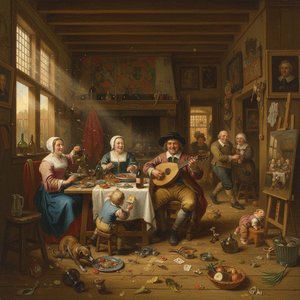
Jan Steen e la Vivacità della Vita Quotidiana: Un Maestro del Genere Olandese nell'Età dell'Oro
Esplora la vita e le opere di Jan Steen, maestro del genere pittorico olandese. Analisi approfondita dello stile, del simbolismo e dell'eredità artistica di questo icona del Secolo d'Oro.
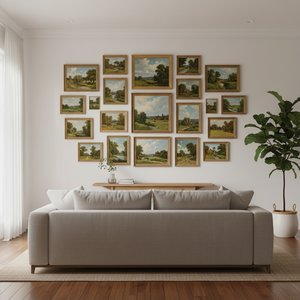
John Constable: I 25 Capolavori che Celebrano la Bellezza della Campagna Inglese
Esplora i 25 capolavori di John Constable, il maestro del Romanticismo inglese. Paesaggi suggestivi, luce naturale e colori vibranti ti aspettano. Acquista riproduzioni d'arte di alta qualità su AllPaintingsStore.com e porta la bellezza della campagna inglese nella tua casa.
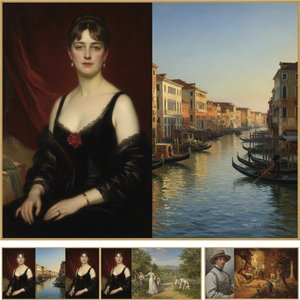
John Singer Sargent: I 25 Capolavori Immortali per Arredare con Stile
Esplora i 25 capolavori di John Singer Sargent, pittore americano simbolo dell'Impressionismo e del Gilded Age. Ritratti iconici, acquerelli luminosi e storie affascinanti. Trova la tua opera d'arte ideale su AllPaintingsStore.com!

Golden Light & Dutch Skies: The Timeless Magic of Dutch Golden Age Landscapes
Discover the breathtaking beauty of Dutch Golden Age landscapes. Explore the mastery of light, chiaroscuro, and 17th-century realism through an expert art history lens, celebrating the enduring legacy of the Dutch Masters for discerning collectors and art lovers.

Chiaroscuro and Character: A Definitive Guide to Light and Shadow in the Dutch Baroque Era
Explore the dramatic mastery of the Dutch Baroque era. Discover how masters like Rembrandt used chiaroscuro to transform everyday life into timeless art. An expert guide for collectors and enthusiasts seeking to understand the profound interplay of light and shadow.


