

Romanticism · 1822
Cloud Study (John Constable, 1822)
Cloud Study è un'opera di John Constable (1776–1837). Risale al 1822. Fa parte del movimento Romanticism. È realizzato in Oil. È conservata presso il Yale Center for British Art a New Haven, Stati Uniti d'America. Le dimensioni sono 28.6 × 48.3 cm.
- 1822
- Oil
- 28.6 × 48.3 cm
- Yale Center for British Art, New Haven

 Anteprima in scala reale

 Stampa
 Invia
 Condividi
 Scheda didattica


 Scarica
 Simili
 Radiografia
 Slideshow
 Domande e risposte

 Statistiche
Cloud Study: dettagli principali
- Titolo
- Cloud Study
- Artista
- John Constable (1776–1837)
- Artista nato a
- East Bergholt, Regno Unito
- Date
- 1822
- Tecnica
- Oil
- Dimensioni
- 28.6 × 48.3 cm
- Dove vederlo
- Yale Center for British Art, New Haven, Stati Uniti d'America
- Movimento
- Romanticism
- Epoca
- 19th Century
- Soggetto
- clouds, sky, blue sky, white clouds, gray clouds, texture
Cosa mostra Cloud Study?
Identification of Cloud Study by John Constable
Cloud Study is an oil on paper study executed by John Constable in 1821. This work focuses on the atmospheric movement of the sky, capturing the transient nature of light and vapor. It belongs to the Romanticism movement of the 19th century.
The piece is part of the Paul Mellon Collection and is currently held at the Yale Center for British Art in New Haven. It represents a period of intense observation for the artist, specifically regarding the meteorological conditions of the English landscape.
Composition and Visual Elements of the Sky
The composition focuses on atmospheric sky and cloud formations, utilizing a palette of blue, gray, and white. Swirling strokes and soft white vapor create a sense of movement across the expanse. These elements interact with cream tones and charcoal to define the shifting structures of the clouds. The arrangement emphasizes the weight and volume of the vaporous forms against the blue sky.
Texture is central to the visual experience, as the interplay of light and shadow defines the cloudscapes. While the primary focus remains on the sky, the composition includes glimpses of landscape, such as trees and dark foliage, which provide a sense of scale and grounding to the celestial activity. The interaction between the gray clouds and the lighter, white highlights suggests a dynamic, changing atmosphere.
Technique and Physical Materials Used
Executed in oil on paper laid on board, the work demonstrates a commitment to the immediacy of plein air study. The artist employs an impasto-like technique to build physical weight upon the surface, creating a tactile presence that mimics the density of vapor. These thick applications of paint allow for a direct engagement with the medium, capturing the transient nature of light and atmosphere through material substance.
The surface is defined by expressive brushstrokes and fluid, gestural movements. Layered textures emerge from the application of pigment, utilizing swirling strokes to suggest the motion of the sky. This method relies on a sophisticated handling of light and shadow to provide volume to the cloud formations. The result is a surface that prioritizes the physical reality of the paint to convey the shifting conditions of the atmosphere.
Documented Interpretations and Scholarly Debates
Scholarly discussion often centers on the extent to which meteorological science influenced the artist's approach to the sky. A significant debate concerns the impact of Luke Howard’s cloud classification system, published in the early 19th century. Some researchers suggest that familiarity with these scientific categorizations resulted in a more balanced light, increased freshness, and a heightened sense of realism in the artist's work during this period.
However, this connection remains contested. While some argue that these studies represent a shift toward scientific naturalism, others maintain that the works produced at Hampstead Heath between 1821 and 1822 were never actually utilized in later, larger compositions. This tension raises questions about the functional purpose of such studies—whether they were intended as direct preparatory tools for major landscapes or as independent investigations into the transient nature of the atmosphere.
Related Works by the Same Artist
Constable’s preoccupation with atmospheric conditions is evident in several other studies from the same period. His investigations into the sky continued through 1821 and 1822, resulting in works such as Cloud Study, Hampstead, Tree at Right (1821) and a separate Cloud Study held in the National Museum in Warsaw, dated about 1822.
His larger compositions often integrated these meteorological observations to establish a sense of place. Notable examples include The Hay Wain (1821) and Salisbury Cathedral from the Meadows (1831). These works demonstrate how his study of light and vapor informed his approach to the English landscape.
Dove si trova oggi Cloud Study?
Yale Center for British Art
New Haven, Stati Uniti d'America
La Storia del Yale Center for British Art Fondata nel 1966, il Yale Center for British Art occupa un posto di rilievo a New Haven, nel Connecticut, negli Stati Uniti d'America. L'istituzione trae origine da un dono straordinario: una collezione immensa e preziosa accumulata da Paul Mellon. Questa fondazione ha trasformato radicalmente il panorama degli studi sull'arte britannica nella regione, offrendo una dimora permanente a opere capaci di tracciare l'evoluzione dell'identità visiva di una nazione.


Cloud Study: file immagine

Pubblico dominio: l'artista è deceduto nel 1837.
Tutte le dimensioni e i ritagli →John Constable, Cloud Study (1822), Yale Center for British Art. Pubblico dominio
Colori verificati rispetto all'originale, file ritoccato da un esperto digitale.
Acquista l'immagine ad alta risoluzioneDomande su Cloud Study
Dove è esposta oggi l'opera "Cloud Study" di John Constable?
"Cloud Study" di John Constable è esposta presso Yale Center for British Art, New Haven, Stati Uniti d'America. La scheda del museo si riferisce all'opera originale e non a riproduzioni.
In che anno è stata realizzata l'opera "Cloud Study" di John Constable?
L'opera "Cloud Study" di John Constable risale al 1822.
Con quale tecnica è realizzata "Cloud Study" di John Constable?
La tecnica utilizzata per "Cloud Study" di John Constable è Oil. Le riproduzioni mirano a restituire l'aspetto di questa tecnica.
Quali sono le dimensioni dell'originale "Cloud Study"?
"Cloud Study" misura 28.6 x 48.3cm nella sua forma originale. Le dimensioni originali sono un utile riferimento per scegliere la dimensione di una riproduzione.
Cosa rappresenta "Cloud Study" di John Constable?
I soggetti di "Cloud Study" sono clouds, sky, blue sky, white clouds, gray clouds, texture.
"Cloud Study" di John Constable è di pubblico dominio?
Stato del copyright per "Cloud Study" di John Constable: l'opera è di pubblico dominio - il copyright è scaduto. Ciò determina se sia possibile effettuare liberamente riproduzioni dell'immagine.
Chi è l'artista dietro "Cloud Study"?
"Cloud Study" è attribuito a John Constable.
A quale movimento artistico appartiene "Cloud Study" di John Constable?
"Cloud Study" è un'opera di Romanticism. Il movimento indica la tradizione artistica di cui l'opera fa parte.
A quale periodo della carriera di John Constable appartiene "Cloud Study"?
"Cloud Study" rappresenta il Mature Period di John Constable.
Informazioni su John Constable
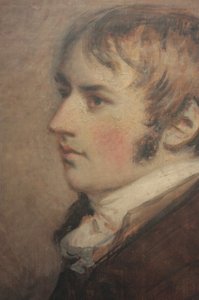
1776–1837, Regno Unito
John Constable
Primi anni di vita, famiglia e formazione John Constable nacque nel 1776 nel villaggio di East Bergholt, nel Suffolk. Era il secondo figlio di Golding e Ann (Watts) Constable. Suo padre era un prospero commerciante di cereali e carbone, proprietario di Flatford Mill. Questo legame indissolubile con il fiume e con il commercio locale significava che i ritmi dell'acqua e il movimento delle merci erano parte integrante della vita quotidiana della sua famiglia.
Ogni opera di John Constable, con dimensioni e prezzi → Profilo dell'artista Opere famose di John Constable
Altre opere di John Constable
 The Hay Wain1821
 Vista della Cattedrale di Salisbury dai Giardini Episcopali1823
 Cattedrale di Salisbury
 Il Carro dei Fieno1821

Approfondimenti su Cloud Study
 25 Capolavori da non Perdere al Yale Center for British ArtScopri i capolavori del Romanticismo al Yale Center. Dai maestri inglesi alle riproduzioni d'autore: esplora la collezione su AllPaintingsS…
 Ethereal Skies: The Curated Collector's Guide to Cloudscape Masterpieces and Atmospheric GrandeurDiscover the sublime beauty of cloudscape masterpieces. From Impressionist light to atmospheric depth, explore a curated journey through fi…
 I 25 Capolavori di John Constable: L'Anima del Paesaggio IngleseScopri i 25 capolavori di John Constable e l'anima del Romanticismo inglese. Esplora la collezione su AllPaintingsStore.com.