


 Anteprima in scala reale
 Condividi
 Condividi
 Dettagli
 Guida stampabile

 Scarica
 Articoli simili
 Radiografia
 Slideshow
 Statistiche
Ca d
 Drawing
- WallArt
- Romanticism
 1845
1845- 19th Century
 33.0 x 47.0 cm
 Leggi tutto
Riproduzione a olio fatta a mano
Olio su tela dipinto a mano nelle tue dimensioni e con la tua cornice, realizzato su ordinazione dai nostri artisti. ( Passa alle stampe Passa all'immagine digitale)




P118B €10

P118H €10

P118W €10

P438Z €10

P508JH €12

P508YH €12

P805H €10

P805Z €10

P919BZ €10

P919G €10

P919XJ €10

P959ZH €10

P968JZ €12

W106C €8

W218G €10

W218JH €8

W218Y €10

W307PJ €10

W316G €10

W316PJ €8

W316Y €10

W398PJ €8

W4111J €10

W500HY €15

W500JH €15

W692G €12

W849H €8

W940BG €15

W953PJ €8




Scegli tra le nostre dimensioni predefinite, che rispettano le proporzioni originali dell'opera d'arte.

Inserisci la larghezza e l'altezza di cui hai bisogno, per adattarle alla tua cornice o alla tua parete. Trattandosi di un'opera dipinta a mano, in caso di dimensioni con una forma differente, l'artista può dipingere un po' più oltre i bordi dell'immagine o ritagliare leggermente — la scelta spetta a te. Ti invieremo un mockup digitale da approvare prima che la pittura abbia inizio. L'immagine mostrata in questa pagina non rappresenta il risultato reale — solo il mockup lo fa.
Dopo l'ordine, il team di AllPaintingsStore.com contatterà il cliente via e-mail per ricevere le istruzioni e fornirà un'anteprima del mockup
Consegna in tutto il mondo () in 3/4 settimane anziché nelle normali 5 settimane. (22 Ottobre). Nessun compromesso sulla qualità.

Spedizione espressa gratuita in tutto il mondo

Tela in lino di alta qualità

Assicurazione completa sulla spedizione

Garanzia di rimborso dei dazi doganali

Garanzia di perfetta fedeltà cromatica

Politica di reso entro 100 giorni (solo per difetti di fabbricazione)

Garanzia di rimborso al 100%

Sconto per acquisti multipli
 L'opzione vetro è disponibile solo per dimensioni inferiori a 110 cm

Ca d
Tecnica di riproduzione
Dimensioni della riproduzione
-


Prezzo totale
€ 225
A Witness to Vanishing Splendor
In the delicate, precise lines of John Ruskin’s 1845 work, Ca d'Oro, we find more than just a depiction of Venetian architecture; we encounter a poignant eulogy for a fading era. Created during a transformative and turbulent period in Venice, this piece captures the Casa d’Oro at a moment of profound vulnerability. As Ruskin traversed the canals in 1845, he was not merely an observer of beauty but a witness to its systematic dismantling. The painting serves as a hauntingly beautiful record of the building's facade, capturing the intricate Gothic details and the subtle irregularities that spoke of a glorious, yet decaying, past. For the discerning collector, this work offers a rare window into the soul of 19th-century Venice, preserving the very textures that the era’s "restorations" sought to erase.
The composition is anchored by the magnificent, ornate architecture of the palace, where large, numerous windows create a rhythmic sense of grandeur and light. Ruskin’s technique, rooted in his deep commitment to truth in art, allows the viewer to perceive the weight and history of the stone. The prominent clock tower rises with a commanding presence, acting as a sentinel over the bustling scene below. Scattered throughout the foreground, small figures move through the space, providing a sense of scale that emphasizes the monumental nature of the structure. There is a palpable tension in the brushwork—a careful balance between the architectural precision required to document the Gothic carvings and a soft, atmospheric quality that evokes the humid, shimmering air of the Venetian lagoon.
Beyond its technical mastery, the emotional resonance of Ca d'Oro lies in its inherent melancholy. To look upon this piece is to feel the heartache of the artist, who famously lamented seeing the "noble pile" being hammered down by workmen. The painting captures a fleeting moment of existence before the loss of the red marble bases and the legendary interior staircase. For an interior designer or art enthusiast, this work brings a sense of historical depth and intellectual gravity to any space. It is not merely a decorative element but a conversation piece that invites contemplation on the themes of preservation, the passage of time, and the sanctity of original craftsmanship. Owning a reproduction of this masterpiece means hosting a fragment of history—a tribute to the enduring power of beauty even in the face of inevitable decay.
Domande e risposte
Dove posso trovare le statistiche relative a "Ca d" di John Ruskin?
La pagina Statistiche di "Ca d" di John Ruskin presenta le statistiche delle visite pubbliche: le visite mensili di quest'opera, un confronto con le opere dell'artista più visualizzate e la provenienza dei visitatori.
Posso vedere una vista ai raggi X di "Ca d" di John Ruskin?
La vista a raggi X di "Ca d" di John Ruskin è disponibile nella pagina Raggi X dell'opera: un esame interattivo dell'immagine attraverso undici strati ottici.
Verso quale tonalità tende "Ca d"?
Una tonalità Ochre to Sepia attraversa l'opera "Ca d" di John Ruskin.
Opere correlate


Biografia dell'artista
La Vita e l'Educazione di John Ruskin
John Ruskin, un rinomato polimata inglese, nacque l’8 febbraio 1819 a Londra, nel Regno Unito. La sua infanzia fu plasmata dalle contrastanti influenze del padre, John James Ruskin, e della madre, Margaret Cock. Questa dualità si rifletté in seguito nei suoi diversi interessi e stili di scrittura. La prima educazione di Ruskin ebbe luogo a casa, sotto la guida dei genitori e di tutori privati. Successivamente frequentò King's College, Londra, dove si preparò all’Università di Oxford. Questo solido fondamento accademico pose le basi per i suoi futuri impegni.Impegno Artistico e Letterario
Gli stili di scrittura e le forme letterarie di John Ruskin erano vari come i suoi interessi. Scrisse saggi, trattati, poesie, conferenze, guide di viaggio e persino una fiaba. I suoi schizzi e dipinti dettagliati di rocce, piante, uccelli, paesaggi e strutture architettoniche dimostrarono la sua abilità artistica. La sua prima opera importante, *Modern Painters* (1843), difese il lavoro di J.M.W. Turner, sottolineando l'importanza della "verità nella natura". Questo segnò l’inizio del suo ampio riconoscimento e influenza sull’arte e la letteratura del XIX secolo. Ruskin fu un sostenitore appassionato dell'architettura gotica e criticò aspramente l'estetica neoclassica. La sua visione dell'arte era profondamente legata alla sua filosofia morale, credendo che l'arte dovesse riflettere la verità, la bellezza e la divinità.Opere Notabili e Eredità
* *Dawn, Coniston* (Abbot Hall Art Gallery, Kendal, Regno Unito) – un dipinto ad acquerello che mette in mostra l’abilità di Ruskin nel catturare la bellezza della natura. * *Fors Clavigera* (1871-1884) – una serie di lettere ai lavoratori e agli operai della Gran Bretagna, che evidenziavano le sue preoccupazioni sociali e politiche. * Ruskin fu un fervente sostenitore del movimento Arts and Crafts, promuovendo l'artigianato manuale e criticando la produzione industriale di massa. Credeva che il ritorno alle tecniche artigianali tradizionali avrebbe migliorato sia la qualità dell’arte che le condizioni dei lavoratori. L'eredità di Ruskin si estende oltre le sue creazioni artistiche. Fu un membro fondatore della Guild of St George, un'organizzazione che continua ad esistere oggi. Il suo pensiero influenzò profondamente il movimento Pre-Raffaellita e la critica d’arte del XIX secolo. La sua enfasi sulla verità nella natura, l'importanza dell'artigianato e la connessione tra arte e moralità hanno lasciato un segno indelebile nel mondo dell'arte e della cultura. Ruskin è considerato una figura chiave per comprendere il pensiero vittoriano e le sue complesse relazioni con l’arte, la società e la politica.Influenze e Sviluppo del Pensiero
Il pensiero di Ruskin fu influenzato da diverse fonti, tra cui i romantici come Wordsworth e Coleridge, ma anche dalla sua profonda ammirazione per il Medioevo e l'architettura gotica. Il suo interesse per la natura lo portò a studiare botanica, ornitologia e geologia, integrando queste conoscenze nelle sue opere artistiche e letterarie. Nel corso della sua vita, Ruskin sviluppò un pensiero sempre più radicale sulla giustizia sociale ed economica, criticando il capitalismo e sostenendo una riforma del sistema lavorativo. La sua visione si evolse da un'enfasi sull’estetica a una preoccupazione per le condizioni dei lavoratori e la necessità di una società più equa.Significato Storico
John Ruskin è riconosciuto come uno dei critici d'arte, teorici dell'arte e scrittori sociali più influenti del XIX secolo. La sua opera ha avuto un impatto significativo sull’estetica vittoriana, sulla critica architettonica e sul pensiero sociale. Il suo impegno per la verità, la bellezza e la giustizia continua a ispirare artisti, studiosi e attivisti oggi. Ruskin rimane una figura complessa e controversa, ma il suo contributo alla cultura occidentale è innegabile.
John Ruskin
1819 - 1900 , Regno Unito
Informazioni rapide
- Artisti Che Hanno Influenzato Questo Artista: ['J.M.W. Turner']
- Artisti O Movimenti Influenzati Da Questo Artista: ['Preraffaelliti']
- Data Di Nascita: 8 febbraio 1819
- Luogo Di Nascita: Londra, Regno Unito
- Movimento Artistico O Stile: Romanticismo, Preraffaelliti
- Nazionalità: Britannico
- Nome Completo: John Ruskin
- Opere Notevoli:
- Dawn, Coniston
- Fors Clavigera
Articoli correlati
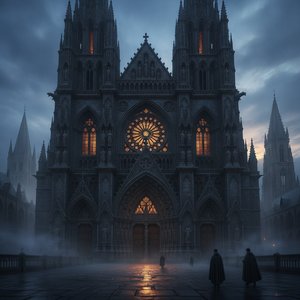
Gothic Art Guide for Hotel Designers: Leveraging Dramatic Shadows and Architectural Grandeur in Luxury Interiors
Elevate hospitality interiors with our expert guide to Gothic art. Discover how to leverage dramatic shadows, architectural grandeur, and high-end reproductions to create sophisticated, atmospheric hotel spaces that captivate guests.

