


 Anteprima in scala reale
 Condividi
 Condividi
 Dettagli

 Scarica immagine
 Articoli simili
 Radiografia
 Slideshow
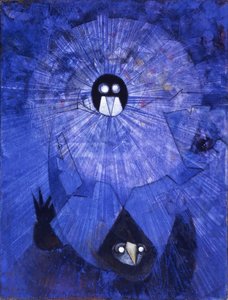
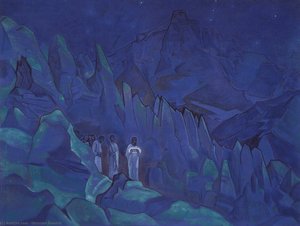
The Procession
 1914
1914 66.0 x 52.0 cm
 Leggi tutto
Riproduzione a olio fatta a mano
Olio su tela dipinto a mano nelle tue dimensioni e con la tua cornice, realizzato su ordinazione dai nostri artisti. ( Ordina stampa Acquista download)




































Scegli tra le nostre dimensioni predefinite, che rispettano le proporzioni originali dell'opera d'arte.

È possibile inserire dimensioni personalizzate per adattare l'opera a una cornice o a uno spazio specifico. Se la dimensione selezionata non corrisponde alle proporzioni dell'immagine originale, provvederemo a ritagliare l'opera o a estendere il dipinto con elementi aggiuntivi dipinti a mano. Un mockup digitale ti sarà inviato per approvazione prima dell'inizio della produzione.
Si prega di notare che l'anteprima a schermo non riflette il ritaglio o l'estensione effettivi. Solo il mockup mostrerà accuratamente la composizione finale.
Sebbene siano disponibili dimensioni personalizzate, consigliamo di selezionare una dimensione dall'elenco predefinito per preservare le proporzioni originali.
Dopo l'ordine, il team di AllPaintingsStore.com contatterà il cliente via e-mail per le istruzioni e fornirà un'anteprima del mockup
Consegna in tutto il mondo () in 3/4 settimane anziché nelle normali 5 settimane. (20 Agosto). Nessun compromesso sulla qualità.

Spedizione espressa gratuita in tutto il mondo

Tela in lino di alta qualità

Assicurazione completa sulla spedizione

Garanzia di rimborso dei dazi doganali

Garanzia di fedeltà cromatica dell'originale

Politica di reso entro 60 giorni (solo per difetti di fabbricazione)

Garanzia di rimborso al 100%

Sconto per acquisti multipli
 L'opzione vetro è disponibile solo per dimensioni inferiori a 110 cm

The Procession
Tecnica di riproduzione
Dimensioni della riproduzione
-


Prezzo totale
$ 258
Opere correlate




Biografia dell'artista
John S. Currie: A Mariner's Vision of American Identity
John S. Currie (c. 1884 – October 11, 1914) remains a somewhat enigmatic figure in American art history—a painter whose evocative depictions of the coastal landscapes and maritime scenes of New England captured the spirit of his time while simultaneously grappling with profound personal struggles. Born in Staffordshire, England, Currie emigrated to America as a young man, establishing himself in Gloucester, Massachusetts, where he would spend the remainder of his life pursuing his artistic ambitions. His work is characterized by a distinctive blend of Impressionistic technique and Symbolist influences, resulting in paintings that resonate with both visual beauty and psychological depth.Early Life & Artistic Influences
Little is known about Currie’s formative years beyond confirmation of his birthplace. However, he demonstrated an early aptitude for drawing and painting, honing his skills through self-study and experimentation. Crucially, Currie was deeply impacted by the burgeoning Symbolist movement in Europe—particularly the works of Edvard Munch and Pierre Puvis de Chavannes—which encouraged artists to explore subjective experience and convey emotional resonance alongside formal representation. This influence is evident in Currie’s use of muted palettes, atmospheric perspective, and a preoccupation with capturing intangible moods and sensations within his landscapes. Fitz Hugh Lane, whose seascapes served as an inspiration for Currie, championed the expressive potential of painting—a conviction that mirrored Currie's own artistic ethos.The Gloucester Years & Artistic Style
Gloucester became Currie’s creative home, providing him with a constant source of visual stimulation and fueling his artistic output. He meticulously observed the rhythms of the sea, capturing the interplay of light and shadow on weathered rocks and turbulent waters. Currie’s technique involved layering thin washes of color—often employing encaustic wax—to build up textured surfaces that conveyed both realism and emotional intensity. Unlike many Impressionists who sought to objectively record visual impressions, Currie deliberately imbued his paintings with symbolic meaning—reflecting anxieties about mortality, faith, and the human condition. Recurring motifs included solitary figures contemplating the horizon, suggesting a yearning for transcendence amidst the vastness of nature.Notable Works & Legacy
Currie produced approximately 50 paintings during his lifetime, primarily focused on Gloucester Harbor and its surrounding coastline. Among his most celebrated pieces is “The Last Journey,” a haunting depiction of a lone fisherman casting off into the darkening sea—a poignant meditation on themes of departure, uncertainty, and spiritual pilgrimage. The painting’s subdued colors and masterful composition exemplify Currie's signature style, capturing not merely the visual appearance of the scene but also its emotional core. Although Currie died tragically young at the age of 29 due to complications from tuberculosis, his paintings continue to fascinate viewers today—testament to their enduring power as expressions of American identity and artistic vision. His work stands alongside other luminaries of American Regionalism, demonstrating a commitment to portraying the complexities of human experience within the context of the natural world.American Regionalism: A Crucible of Identity
Currie’s artistic endeavors coincided with the rise of American Regionalism—a movement that sought to depict the distinctive character of rural America during the Great Depression. Artists like Grant Wood and Thomas Hart Benton embraced Symbolist influences, mirroring Currie's own exploration of psychological depth alongside formal representation. The Gloucester landscape served as a canvas for conveying anxieties about social change and spiritual renewal—themes central to American Regionalism’s broader agenda. Exploring themes of place, labor & social commentary, artists such as Grant Wood and Thomas Hart Benton championed the expressive potential of painting—a conviction that Currie wholeheartedly embraced.Further Exploration
To delve deeper into John S. Currie's artistic legacy, consider visiting The U.S. Department of the Interior Museum in Washington D.C., where you can admire reproductions of his paintings alongside works by other prominent American artists of the era. Examining “Echoes of Place: Regionalism & American Identity” will illuminate the broader context of Currie’s creative output—highlighting its connection to the intellectual currents shaping American culture during the interwar years. Finally, exploring "Grant Wood & American Regionalism" offers invaluable insight into the stylistic innovations and thematic preoccupations that defined this pivotal moment in art history.
john s currie
1884 - 1914
Informazioni rapide
- Artistic Movement Or Style: American Regionalism
- Artists Or Movements Influenced By This Artist: ['Grant Wood']
- Artists Who Influenced This Artist: ['Fitz Hugh Lane']
- Date Of Birth: c. 1884
- Date Of Death: 11 October 1914
- Full Name: John S. Currie
- Nationality: English
- Notable Artworks: ['The Last Journey']
- Place Of Birth: Staffordshire, England


