


 Anteprima in scala reale
 Condividi
 Condividi
 Dettagli
 Guida stampabile

 Scarica
 Articoli simili
 Radiografia
 Slideshow
 Statistiche
Neptun

 Leggi tutto
Giclée / Stampe d'arte
Stampa giclée o su tela di qualità museale, con produzione rapida e diverse opzioni di finitura. ( Ordina la riproduzione dipinta a mano Passa all'immagine digitale)




P118B €10

P118H €10

P118W €10

P438Z €10

P508JH €12

P508YH €12

P805H €10

P805Z €10

P919BZ €10

P919G €10

P919XJ €10

P959ZH €10

P968JZ €12

W106C €8

W218G €10

W218JH €8

W218Y €10

W307PJ €10

W316G €10

W316PJ €8

W316Y €10

W398PJ €8

W4111J €10

W500HY €15

W500JH €15

W692G €12

W849H €8

W940BG €15

W953PJ €8




Scegli tra le nostre dimensioni predefinite, che rispettano le proporzioni originali dell'opera d'arte.

È possibile inserire dimensioni personalizzate per adattare l'opera a una cornice o a uno spazio specifico. Se la dimensione selezionata non corrisponde alle proporzioni dell'immagine originale, procederemo al ritaglio dell'opera o all'estensione dell'immagine con un bordo specchiato o a tinta unita. Un mockup digitale ti verrà inviato per approvazione prima dell'inizio della produzione.
Si prega di notare che l'anteprima a schermo non riflette il ritaglio o l'estensione effettivi. Solo il mockup mostrerà accuratamente la composizione finale.
Sebbene siano disponibili dimensioni personalizzate, si raccomanda di selezionare una dimensione dall'elenco predefinito per preservare le proporzioni originali.
Consegna in tutto il mondo () in 2 settimane invece delle normali 4/5 settimane. (11 Ottobre)

Spedizione espressa gratuita in tutto il mondo

Tela in lino di alta qualità

Assicurazione completa sulla spedizione

Garanzia di rimborso dei dazi doganali

Garanzia di perfetta fedeltà cromatica

Politica di reso entro 100 giorni (solo per difetti di fabbricazione)

Garanzia di rimborso al 100%

Sconto per acquisti multipli
 L'opzione vetro è disponibile solo per dimensioni inferiori a 110 cm

Neptun
Giclée / Stampe d'arte
Dimensioni della riproduzione
-


Prezzo totale
€ 55
Leonardo da Vinci’s “Neptune”: A Dance of Power and Poseidon
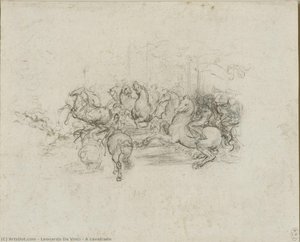
Leonardo da Vinci's "Neptun," often referred to simply as "Neptune," is not merely a painting; it’s a dramatic embodiment of Roman mythology, rendered with an arresting intensity that speaks volumes about the artist’s mastery of composition, light, and psychological depth. Completed around 1482, this charcoal drawing on black chalk offers a glimpse into da Vinci's early explorations of figure work and his fascination with classical themes – specifically, the turbulent power of the sea god Poseidon. Unlike many of his later, more polished works, “Neptun” retains a raw energy, a sense of immediacy that reflects its status as a preliminary study rather than a finished masterpiece.
The scene depicts Neptune, king of the gods and ruler of the oceans, seated upon a shell-shaped rock. He’s not presented in the idealized form often found in Renaissance sculpture; instead, da Vinci captures him with a palpable sense of authority and even a hint of brooding intensity. His posture is deliberately forceful, his gaze fixed ahead as if commanding the waves themselves. The figure is rendered with rapid, confident strokes – a characteristic of Leonardo’s working method – revealing the underlying structure beneath the surface. Notice how he uses hatching to create texture and volume, particularly in the folds of his drapery and the swirling patterns of the sea.
A Symphony of Movement: Technique and Composition
Da Vinci's technique is immediately striking. The charcoal is applied with a remarkable degree of spontaneity, creating a dynamic sense of movement that contrasts sharply with the static quality often associated with Renaissance art. He masterfully employs hatching – closely spaced parallel lines – to build up tones and create an illusion of depth and texture. The use of light and shadow is particularly effective in conveying the drama of the scene; the dark background emphasizes Neptune’s form, while strategically placed highlights draw attention to his face and hands.
Compositionally, “Neptun” is a tour de force. The figure dominates the frame, yet he's not isolated. The swirling waves, depicted with loose, expressive strokes, create a sense of chaos and power that mirrors Neptune’s dominion over the sea. The inclusion of Amphitrite, Neptune’s consort, riding on his back, adds another layer of visual interest and reinforces the theme of royal authority. The placement of the birds – one soaring above, another diving below – subtly connects the earthly realm with the divine, suggesting a broader cosmic order.
Symbolism and Mythological Resonance
“Neptun” is deeply rooted in Roman mythology, drawing upon centuries of tradition surrounding Poseidon. The shell-shaped rock serves as Neptune’s throne, symbolizing his connection to the sea – the very essence of his power. The turbulent waves are not merely decorative; they represent the unpredictable and potentially destructive forces that lie beneath the surface. The presence of birds, often associated with divine messengers or omens, adds a layer of symbolic complexity.
Interestingly, da Vinci’s depiction deviates slightly from traditional portrayals of Neptune. He doesn't present him as a benevolent protector; instead, he captures a more formidable and even somewhat menacing figure – a god who commands respect through sheer force of will. This nuanced portrayal reflects da Vinci’s broader interest in exploring the complexities of human nature and the darker aspects of the divine.
A Legacy of Artistic Innovation
Despite its status as an early study, “Neptun” reveals da Vinci's burgeoning genius and his willingness to experiment with new techniques. It demonstrates his ability to capture not just the physical appearance of a subject but also their psychological state – a skill that would become increasingly central to his later work. Reproductions of this captivating drawing offer a unique opportunity to appreciate da Vinci’s artistic process and to witness firsthand the genesis of one of the most iconic images in Western art history. Its raw energy and dramatic composition continue to resonate with viewers today, reminding us of the enduring power of classical mythology and the boundless creativity of Leonardo da Vinci.
Domande e risposte
Quanto sono intensi i colori in "Neptun" di Leonardo da Vinci?
"Neptun" di Leonardo da Vinci mostra un'intensità cromatica Vivid.
Chi vende copie dipinte a mano di "Neptun" di Leonardo da Vinci?
Puoi ordinare una riproduzione dipinta a mano di "Neptun" di Leonardo da Vinci direttamente su questa pagina: una riproduzione a olio dipinta a mano su tela di lino, realizzata su ordinazione.
In che modo il soggetto di "Neptun" si relaziona ai temi abituali di Leonardo da Vinci?
"Neptun" raffigura mythology, sea, neptune, horse, renaissance, figure, composition, marine, mentre i temi ricorrenti di Leonardo da Vinci sono classical mythology, renaissance ideals, religious symbolism, divine power, allegorical representation, humanism, da vinci’s exploration of form, masterpiece. Il confronto tra i due evidenzia come l'opera si relazionazioni con i soggetti abituali dell'artista.
Chi è l'autore di "Neptun" e a quale movimento appartiene?
"Neptun" è stata creata da Leonardo da Vinci in stile High Renaissance. L'artista e il movimento identificano la tradizione dell'opera.
"Neptun" è disponibile come stampa d'arte?
"Neptun" è disponibile come una stampa fine art su tela di cotone o carta canvas d'archivio. Gli ordini possono essere effettuati su questa pagina, nella dimensione che preferisci.
Chi ha creato "Neptun"?
"Neptun" è stata creata da Leonardo da Vinci. Le informazioni contenute in questa pagina descrivono l'opera originale di Leonardo da Vinci.
Qual è l'atmosfera generale di "Neptun" di Leonardo da Vinci?
"Neptun" ha un'atmosfera Elegant.
Opere correlate




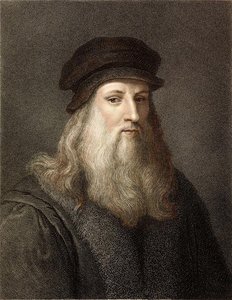
Biografia dell'artista
Leonardo da Vinci: Vita e Eredità
Primi Anni di Vita e Apprendistato (1452-1482)
Leonardo di ser Piero da Vinci (15 aprile 1452 – 2 maggio 1519) nacque fuori dal matrimonio vicino a Vinci, nella Repubblica Fiorentina. La sua educazione iniziale includeva lettura, scrittura e aritmetica, sebbene l'istruzione formale in latino arrivasse più tardi. A quattordici anni, iniziò un apprendistato con Andrea del Verrocchio, un artista fiorentino di spicco. Questa formazione immersiva lo espose alla pittura, alla scultura e alle arti meccaniche – ponendo le basi per il suo genio multiforme.
Primo Periodo Milanese (1482-1499)
Nel 1482, Leonardo entrò al servizio di Ludovico Sforza, duca di Milano. Non era solo un artista; fungeva da ingegnere, architetto e scultore per la corte. Questo periodo vide lui progettare fortificazioni militari, scenografie elaborate e sculture (molte incompiute). Un incarico monumentale durante questo tempo fu L'Ultima Cena, un affresco dipinto nella refettoria del monastero di Santa Maria delle Grazie – un’opera che avrebbe profondamente influenzato l’arte occidentale.
Ritorno a Firenze e Capolavori dell’Alto Rinascimento (1500-1506)
Dopo l'invasione francese di Milano nel 1499, Leonardo tornò a Firenze durante un periodo di picco dello sviluppo artistico. Sebbene abbia prodotto meno opere rispetto al passato, il loro impatto è stato immenso. Questo periodo vide l’inizio del lavoro su Mona Lisa (La Gioconda), probabilmente il dipinto più famoso al mondo, e il perfezionamento delle sue tecniche.
Anni Successivi e Mecenatismo Francese (1506-1519)
Gli anni successivi di Leonardo furono segnati da viaggi tra Firenze, Milano e Roma, ricercato per la sua esperienza ma spesso lasciando progetti incompiuti. Nel 1516, accettò l’invito del Re Francesco I a vivere e lavorare al Château du Clos Lucé vicino ad Amboise in Francia. Morì lì nel 1519, lasciandosi alle spalle un vasto lascito di esplorazione artistica e scientifica.
Influenze e Sviluppo Artistico
- Le prime influenze includevano il suo maestro Verrocchio e la più ampia tradizione artistica fiorentina.
- Un profondo interesse per l’osservazione lo spinse a studiare meticolosamente il mondo naturale.
- Si allontanò dall'iconografia religiosa tradizionale, preferendo rappresentazioni realistiche delle emozioni umane e dell'anatomia.
- Il suo sviluppo dello sfumato – una tecnica che utilizzava gradazioni sottili di luce e ombra per creare contorni sfumati e prospettiva atmosferica – ha rivoluzionato la pittura e contribuito in modo significativo al suo stile caratteristico.
Realizzazioni Principali
- Pittura: Mona Lisa, L'Ultima Cena, La Vergine delle Rocce, Annunciazione
- Disegno e Schizzi: Ampie studi anatomici, progetti ingegneristici (macchine volanti, armi da fuoco), illustrazioni botaniche
- Scienza e Ingegneria: Lavori pionieristici in anatomia, ottica, idraulica, geologia e cartografia. Concettualizzazioni di invenzioni secoli avanti rispetto al loro tempo.
Significato Storico
L'impatto di Leonardo da Vinci sulla storia dell’arte è incommensurabile. I suoi dipinti sono celebrati per il loro realismo, la profondità psicologica e le tecniche innovative. Ha elevato lo status degli artisti da abili artigiani a figure intellettuali. Oltre ai suoi risultati artistici, le sue indagini scientifiche e le sue invenzioni hanno anticipato molte scoperte moderne. Rimane un simbolo della curiosità umana, della creatività e della ricerca della conoscenza – una vera incarnazione dello spirito rinascimentale. La sua eredità continua a ispirare ammirazione e fascino secoli dopo la sua morte, consolidando il suo posto come uno dei personaggi più straordinari della storia.
Leonardo da Vinci
1452 - 1519 , Italia
Informazioni rapide
- Artisti Influenti: ['Andrea del Verrocchio']
- Data Di Morte: 2 maggio 1519
- Data Di Nascita: 15 aprile 1452
- Luogo Di Nascita: Vicenza, Italia
- Movimento Artistico: Rinascimento
- Nazionalità: Italiana
- Nome Completo: Leonardo da Vinci
- Opere Notevoli:
- Monna Lisa (La Gioconda)
- L'Ultima Cena
- Vergine delle Rocce
- Annunciazione
Articoli correlati

Mastering Charcoal: A Professional Guide to Texture and Depth for Large-Scale Interior Art Commissions
Discover professional techniques for mastering charcoal texture and depth. An expert guide for hotel designers and procurement managers looking to integrate high-impact monochrome art into large-scale hospitality projects with precision and scale.


