


 Anteprima in scala reale
 Condividi
 Condividi
 Dettagli

 Scarica immagine
 Articoli simili
 Radiografia
 Slideshow
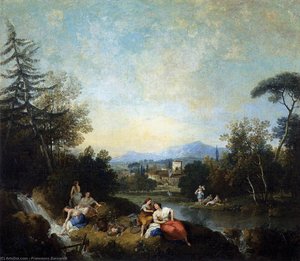
A River Scene (triptych)
 Impressionism
 1945
1945 59.0 x 164.0 cm
 Leggi tutto
Riproduzione a olio fatta a mano
Olio su tela dipinto a mano nelle tue dimensioni e con la tua cornice, realizzato su ordinazione dai nostri artisti. ( Ordina stampa Acquista download)




































Scegli tra le nostre dimensioni predefinite, che rispettano le proporzioni originali dell'opera d'arte.

È possibile inserire dimensioni personalizzate per adattare l'opera a una cornice o a uno spazio specifico. Se la dimensione selezionata non corrisponde alle proporzioni dell'immagine originale, provvederemo a ritagliare l'opera o a estendere il dipinto con elementi aggiuntivi dipinti a mano. Un mockup digitale ti sarà inviato per approvazione prima dell'inizio della produzione.
Si prega di notare che l'anteprima a schermo non riflette il ritaglio o l'estensione effettivi. Solo il mockup mostrerà accuratamente la composizione finale.
Sebbene siano disponibili dimensioni personalizzate, consigliamo di selezionare una dimensione dall'elenco predefinito per preservare le proporzioni originali.
Dopo l'ordine, il team di AllPaintingsStore.com contatterà il cliente via e-mail per le istruzioni e fornirà un'anteprima del mockup
Consegna in tutto il mondo () in 3/4 settimane anziché nelle normali 5 settimane. (13 Agosto). Nessun compromesso sulla qualità.

Spedizione espressa gratuita in tutto il mondo

Tela in lino di alta qualità

Assicurazione completa sulla spedizione

Garanzia di rimborso dei dazi doganali

Garanzia di fedeltà cromatica dell'originale

Politica di reso entro 60 giorni (solo per difetti di fabbricazione)

Garanzia di rimborso al 100%

Sconto per acquisti multipli
 L'opzione vetro è disponibile solo per dimensioni inferiori a 110 cm

A River Scene (triptych)
Tecnica di riproduzione
Dimensioni della riproduzione
-


Prezzo totale
$ 258
Opere correlate




Biografia dell'artista
Leopold Pascal (1900 – 1958): Bridging Impressionism and Expressionism
Leopold Pascal was a British painter born in Cambridge, Massachusetts, in 1900, though he spent most of his artistic life in France. His distinctive style blended the luminous qualities of Impressionism with the emotive intensity characteristic of Expressionism, resulting in landscapes imbued with profound psychological depth and capturing fleeting moments of beauty amidst atmospheric conditions. Pascal’s work explored themes of solitude, contemplation, and the sublime—a fascination for nature's grandeur combined with an awareness of its vulnerability.Early Life and Artistic Training
Pascal’s formative years were spent studying at Harvard University before embarking on a European journey that profoundly shaped his artistic vision. He traveled extensively throughout France and Italy, immersing himself in the artistic traditions of these countries. Notably, he studied under Eugène Boudin, a prominent Impressionist painter who championed plein air painting—working outdoors directly from nature—a technique that would become central to Pascal’s oeuvre. Boudin instilled in Pascal a deep appreciation for capturing light and color as they appeared in real-time, prioritizing observation over meticulous detail.Style and Technique: Light, Texture, and Emotion
Pascal's artistic style is immediately recognizable by its masterful manipulation of light and texture. He employed thick impasto—applying paint thickly onto the canvas—creating palpable surfaces that convey a sense of physicality and immediacy. This technique wasn’t merely decorative; it served to heighten emotional impact, mirroring the turbulent inner landscapes he sought to portray. His palette favored muted tones – ochres, browns, greys – reflecting the subdued hues of twilight or misty mornings. However, Pascal skillfully juxtaposed these cool colors with flashes of vibrant pigment, capturing the ephemeral beauty of sunlight filtering through foliage or illuminating snow-covered vistas. Influenced by artists like Cézanne and Schiele, Pascal’s compositions often featured simplified forms and expressive brushstrokes—a deliberate departure from Impressionistic realism.Notable Works and Themes
Pascal produced a prolific body of work encompassing landscapes, portraits, and still lifes. Among his most celebrated paintings are “Snow in Chelsea,” depicting a wintry cityscape bathed in diffused light, and “A River Scene,” a monumental triptych capturing the serene beauty of a riverside landscape under overcast skies. These canvases exemplify Pascal’s ability to convey complex emotions through subtle visual cues—a masterful use of color, texture, and composition. Recurring themes in his paintings included introspection, melancholy, and an awareness of mortality – reflecting a preoccupation with existential questions that resonated deeply within the artistic milieu of his time. His depiction of Morlaix, France, showcases his talent for capturing atmospheric conditions and conveying mood through tonal variations.Legacy and Influence
Leopold Pascal’s contribution to British art is significant, particularly as he championed plein air painting and bridged the gap between Impressionism and Expressionism. He was awarded an MBE (Member of the Order of the British Empire) in 1953 for his services to the arts. Pascal's work continues to inspire artists today, demonstrating the enduring power of observation and emotional honesty—a testament to his artistic vision and lasting legacy as a painter who captured the essence of human experience within the framework of evocative landscapes. His paintings are held in numerous collections worldwide, ensuring that his distinctive style and profound aesthetic sensibility will continue to captivate audiences for generations to come.
léopold pascal
1900 - 1958
Informazioni rapide
- Artistic Movement Or Style: Impressionism
- Artists Or Movements Influenced By This Artist: ['Egon Schiele']
- Artists Who Influenced This Artist:
- Claude Monet
- Pierre-Auguste Renoir
- Date Of Death: 1958
- Full Name: Leopold Pascal
- Nationality: British
- Notable Artworks:
- Snow in Chelsea
- A River Scene (triptych)
- La Grand'Rue, Morlaix
- Place Of Birth: Cambridge, England
Articoli correlati

River Valley Landscapes: A Procurement Guide to Premium Oil Reproductions for Large-Scale Hospitality Projects
Streamline large-scale hospitality projects with premium river valley landscape oil reproductions. Expert sourcing for hotel designers offering custom sizing, multi-panel layouts, bulk order management, and reliable global shipping for professional art procurement.



