- Home

- Stampa su tela
- Mark Rothko
- The Omen

 Preview
 Ordina la riproduzione Acquista download
 Invia
Invia
 Condividi
 Dettagli opera
 Aggiungi ai preferiti

 Scarica
 Simili
 Radiografia
 Slideshow
The Omen


 Scopri di più
Giclée / Stampa d'arte
Stampa giclée o su tela di qualità museale, con produzione rapida e diverse opzioni di finitura.




P118B $10

P118H $10

P118W $10

P438Z $10

P508JH $12

P508YH $12

P805H $10

P805Z $10

P919BZ $10

P919G $10

P919XJ $10

P959ZH $10

P968JZ $12

W106C $8

W218G $10

W218JH $8

W218Y $10

W307PJ $10

W316G $10

W316PJ $8

W316Y $10

W398PJ $8

W4111J $10

W500HY $15

W500JH $15

W692G $12

W849H $8

W940BG $15

W953PJ $8




Scegli tra le nostre dimensioni predefinite, che rispettano le proporzioni originali dell'opera d'arte.

È possibile inserire dimensioni personalizzate per adattare l'opera a una cornice o a uno spazio specifico. Se la dimensione selezionata non corrisponde alle proporzioni dell'immagine originale, procederemo al ritaglio dell'opera o all'estensione dell'immagine con un bordo specchiato o a tinta unita. Un mockup digitale ti verrà inviato per approvazione prima dell'inizio della produzione.
Si prega di notare che l'anteprima a schermo non riflette il ritaglio o l'estensione effettivi. Solo il mockup mostrerà accuratamente la composizione finale.
Sebbene siano disponibili dimensioni personalizzate, si raccomanda di selezionare una dimensione dall'elenco predefinito per preservare le proporzioni originali.
Consegna in tutto il mondo () in 2 settimane invece delle normali 4/5 settimane. (26 Luglio)

Spedizione espressa gratuita in tutto il mondo

Tela in lino di alta qualità

Assicurazione completa sulla spedizione

Garanzia di rimborso dei dazi doganali

Garanzia di fedeltà cromatica

Politica di reso entro 60 giorni (solo per difetti)

Garanzia di rimborso al 100%

Sconto per acquisti multipli
 L'opzione vetro è disponibile solo per dimensioni inferiori a 110 cm

The Omen
Giclée / Stampa d'arte
Dimensioni riproduzione
-


Prezzo totale finale
-
Descrizione dell'opera
Mark Rothko’s ‘The Omen’: A Dialogue with Grief and Eternity
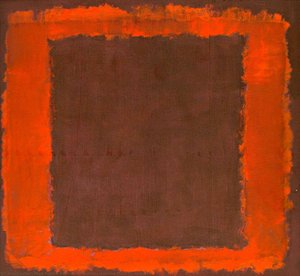
Mark Rothko's “The Omen,” a striking example of his mature abstract expressionist style, isn’t merely a painting; it’s an immersion into the profound anxieties of the 20th century. Produced as part of a Taschen portfolio in 2003, this work – rendered on thick white card and measuring 21x33cm with a print size of 28x36.5cm – immediately commands attention with its bold juxtaposition of blue and red. It’s a piece that invites contemplation, demanding a response beyond simple aesthetic appreciation.
The Language of Color: Blocks and Resonance
Rothko's technique is characterized by the layering of translucent color fields—in this case, a dominant, deep blue punctuated by sharply defined crimson triangles. These aren’t haphazard splashes; they are meticulously constructed blocks of pigment, applied in thin washes that bleed into one another, creating an ethereal quality. The deliberate flatness of the surface, a hallmark of his style, forces the viewer to confront the colors directly, without the distraction of traditional perspective or representational imagery. This technique, developed over years of experimentation, aimed to evoke primal emotions and spiritual experiences through pure color relationships. The triangles themselves, often interpreted as symbols of sacrifice or even religious iconography, add a layer of complexity to the composition.
A Reflection of Troubled Times
Created during a period marked by global conflict and existential uncertainty – the shadow of World War II loomed large – “The Omen” reflects the anxieties of its time. Rothko himself grappled with themes of mortality, trauma, and the search for meaning in a world seemingly devoid of inherent order. The painting’s somber palette and unsettling geometry resonate with the psychological landscape of the era, mirroring the sense of dread and disillusionment that permeated much of 20th-century art and thought. It's important to note Rothko’s own personal struggles with depression and his profound interest in Eastern philosophy, which heavily influenced his artistic vision.
Symbolism and Emotional Impact
Beyond the readily apparent color contrasts, “The Omen” possesses a deeply layered symbolic resonance. The blue, often associated with melancholy, spirituality, and the infinite, creates a sense of vastness and contemplation. The red triangles, simultaneously powerful and vulnerable, evoke images of sacrifice, passion, or perhaps even warning. The inclusion of a solitary figure observing the artwork adds another dimension – a witness to this emotional landscape, suggesting our own vulnerability in the face of profound questions about existence. Ultimately, Rothko sought not to depict a specific scene but to elicit an emotional response—a feeling of awe, unease, or perhaps even transcendence—from the viewer.
Collecting and Displaying ‘The Omen’
This limited-edition print from Taschen offers a tangible connection to one of the most influential artists of the 20th century. “The Omen” is ideally suited for spaces where contemplation and emotional depth are valued – a study, a meditation room, or even a sophisticated living area. Its bold colors and powerful composition will undoubtedly serve as a focal point, sparking conversation and inviting viewers to engage with its enduring mysteries. The print’s size (28x36.5cm) makes it suitable for a variety of wall sizes, allowing for flexible placement within your interior design scheme.
Opere simili


Biografia dell'artista
giovinezza e influenze
mark rothko (marcus rothkowitz), un rinomato artista americano, è nato il 25 settembre 1903 a Dvinsk, Lettonia. La sua famiglia emigrò negli Stati Uniti quando aveva solo dieci anni. Questo cambiamento culturale avrebbe influenzato in seguito il suo stile artistico.evoluzione artistica
Le prime opere di Rothko erano caratterizzate dall'astrattismo espressionista, uno stile che enfatizzava il processo creativo piuttosto che il prodotto finale. I suoi dipinti, come no. 18 (1948) e untitled (1948), mostravano il suo approccio unico al colore e alla forma.- campo di colore: l'uso da parte di Rothko di audaci campi rettangolari di colore, spesso in forte contrasto tra loro, creava un senso di profondità ed emozione.
- struttura organica: i suoi dipinti sembravano respirare la vita, come se i colori fossero entità viventi.
opere notevoli ed esposizioni
- no. 10 (1950), un dipinto che ha segnato un significativo cambiamento nello stile di Rothko, è ora parte della collezione del Museum of Modern Art.
- I Seagram Murals, una serie di dipinti commissionati per il ristorante Four Seasons, hanno mostrato la capacità di Rothko di adattare il suo stile a diversi ambienti.
- no. 3 (1950), un dipinto che esemplifica l'uso di Rothko di audaci campi rettangolari di colore.
vita successiva e eredità
La vita di Rothko è stata segnata da difficoltà nella salute mentale e da un matrimonio tumultuoso. È morto il 25 febbraio 1970 all'età di 66 anni. Nonostante le sue sfide, Rothko ha lasciato un segno indelebile nel mondo dell'arte. ochre and red on red (campo di colore), un dipinto che mostra l'approccio unico di Rothko al colore, può essere trovato nella collezione AllPaintingsStore.com. La pagina Wikipedia su Mark Rothko fornisce ulteriori informazioni sulla sua vita e sul suo stile artistico.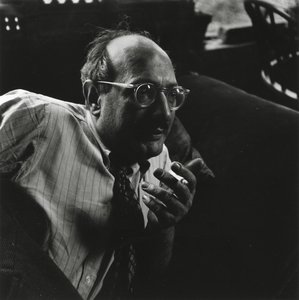
Mark Rothko
1903 - 1970 , Lettonia
Dati rapidi
- Artisti Influenti:
- Wassily Kandinsky
- Piet Mondrian
- Artisti Influenzati: ['Minimalismo']
- Data Di Morte: 25 febbraio 1970
- Data Di Nascita: 25 settembre 1903
- Luogo Di Nascita: Daugavpils, Lettonia
- Movimento Artistico: Espressionismo Astratto
- Nazionalità: Americano
- Nome Completo: Mark Rothko / Marcus Rothkowitz
- Opere Notevoli:
- No. 18 (1948)
- No. 10 (1950)
- Murals Seagram
- No. 3 (1950)
Articoli correlati

Chromatic Atmospheres: Exploring the Evolution & Impact of Color Field Painting
Explore the captivating world of Color Field painting! Discover its origins, key artists like Rothko & Newman, philosophical depth, and lasting influence on modern art. Expert insights for collectors.

La Sublime Armonia del Colore: Esplorando l'Espressionismo Astratto di Mark Rothko
Esplora l'universo emotivo di Mark Rothko e il movimento dell'Espressionismo Astratto. Analisi approfondite delle sue opere più iconiche, influenze artistiche e l'eredità duratura del maestro del Color Field Painting.
Beyond Representation: Exploring the Emotional Landscape of Abstract Expressionism
Explore the profound emotional world of Abstract Expressionism with AllPaintingsStore. Discover key artists like Pollock & Rothko, learn about collecting, and find museum-quality reproductions to inspire your space.

Beatrice Parsons: A Study in Abstract Expressionism & the Poetics of Color Field Painting
Explore the captivating world of Beatrice Parsons, a pioneering British abstract expressionist. Discover her journey from garden watercolors to evocative color field paintings and learn about her place within art history.

Paul Jenkins: Astrazione Lirica, Colore e Ricerca dell'Espressione Pittorica
Esplora l'universo artistico di Paul Jenkins, pioniere dell'astrazione lirica e del color field painting. Analisi approfondita della sua tecnica unica, il suo valore nel mercato dell'arte e consigli per collezionisti esperti.