Anteprima in scala reale
 Condividi
 Condividi
 Dettagli

 Scarica immagine
 Articoli simili
 Radiografia
 Slideshow
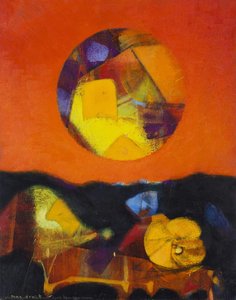
Composition, lune et soleil


 Leggi tutto
Giclée / Stampe d'arte
Stampa giclée o su tela di qualità museale, con produzione rapida e diverse opzioni di finitura. ( Ordina la riproduzione dipinta a mano Acquista download)




P118B $10

P118H $10

P118W $10

P438Z $10

P508JH $12

P508YH $12

P805H $10

P805Z $10

P919BZ $10

P919G $10

P919XJ $10

P959ZH $10

P968JZ $12

W106C $8

W218G $10

W218JH $8

W218Y $10

W307PJ $10

W316G $10

W316PJ $8

W316Y $10

W398PJ $8

W4111J $10

W500HY $15

W500JH $15

W692G $12

W849H $8

W940BG $15

W953PJ $8




Scegli tra le nostre dimensioni predefinite, che rispettano le proporzioni originali dell'opera d'arte.

È possibile inserire dimensioni personalizzate per adattare l'opera a una cornice o a uno spazio specifico. Se la dimensione selezionata non corrisponde alle proporzioni dell'immagine originale, procederemo al ritaglio dell'opera o all'estensione dell'immagine con un bordo specchiato o a tinta unita. Un mockup digitale ti verrà inviato per approvazione prima dell'inizio della produzione.
Si prega di notare che l'anteprima a schermo non riflette il ritaglio o l'estensione effettivi. Solo il mockup mostrerà accuratamente la composizione finale.
Sebbene siano disponibili dimensioni personalizzate, si raccomanda di selezionare una dimensione dall'elenco predefinito per preservare le proporzioni originali.
Consegna in tutto il mondo () in 2 settimane invece delle normali 4/5 settimane. (19 Agosto)

Spedizione espressa gratuita in tutto il mondo

Tela in lino di alta qualità

Assicurazione completa sulla spedizione

Garanzia di rimborso dei dazi doganali

Garanzia di fedeltà cromatica dell'originale

Politica di reso entro 60 giorni (solo per difetti di fabbricazione)

Garanzia di rimborso al 100%

Sconto per acquisti multipli
 L'opzione vetro è disponibile solo per dimensioni inferiori a 110 cm

Composition, lune et soleil
Giclée / Stampe d'arte
Dimensioni della riproduzione
-


Prezzo totale
$ 64
Descrizione del pezzo
A Dance Between Celestial and Concrete: Exploring Max Ernst's "Composition, lune et soleil"
Max Ernst’s “Composition, lune et soleil” is not merely a depiction of the moon and sun; it’s an invitation to contemplate the uneasy relationship between humanity and the cosmos. Painted by one of the most significant figures of 20th-century art, this work embodies Ernst's signature surrealist approach – a deliberate disruption of conventional reality driven by intellectual curiosity and a profound sense of unease. The painting immediately captivates with its stark contrast: the luminous orb of the moon, positioned on the left, confronts the assertive presence of the sun dominating the central space. Below this celestial drama unfolds a sprawling cityscape, a testament to human ambition and perhaps, a subtle commentary on our dominion over the natural world.
Surrealist Techniques and Ernst’s Vision
- Technique: Ernst masterfully employs techniques honed during his diverse artistic explorations. The painting showcases a blend of meticulous detail in rendering the cityscape – buildings stretching across the canvas with varying degrees of realism – juxtaposed with the almost dreamlike quality of the celestial bodies. This deliberate tension is characteristic of Surrealist art, aiming to bypass rational thought and tap into the subconscious.
- Oil on Canvas: The medium itself contributes to the work’s impact. Oil paint allows for rich color saturation and a smooth blending – essential for capturing the ethereal glow of the moon and sun while maintaining the solidity of the urban landscape.
- Collage Elements (Implied): While not explicitly visible, it's highly probable that Ernst utilized collage techniques in his preparatory stages, incorporating found images or textures to further destabilize the viewer’s perception. This aligns with his broader experimentation with various artistic methods.
Symbolism and the Dualities of Existence
The placement of the moon and sun is laden with symbolic weight. Traditionally, these celestial bodies represent opposing forces – light versus darkness, masculine versus feminine, order versus chaos. In “Composition, lune et soleil,” their proximity suggests a precarious balance, a constant negotiation between these fundamental dualities. The cityscape below further amplifies this tension; the towering buildings represent human civilization’s attempt to impose order on an inherently chaotic world. The two orbs within the scene – clearly representing the moon and sun – add another layer of complexity, hinting at a deeper connection between the earthly realm and the vastness of space.
Historical Context: The Rise of Surrealism
Created during the interwar period, “Composition, lune et soleil” reflects the burgeoning influence of Surrealism. Emerging in the aftermath of World War I, Surrealist artists sought to challenge the prevailing rationalism and materialism of Western society. Inspired by the theories of Sigmund Freud – particularly his exploration of dreams and the unconscious – they aimed to unlock a new mode of artistic expression rooted in irrationality, fantasy, and automatic processes. Ernst was a key figure in this movement, constantly pushing boundaries and experimenting with techniques like frottage and decalcomania to achieve unexpected results. This painting stands as a testament to his commitment to exploring the hidden depths of the human psyche and challenging conventional notions of reality.
Emotional Impact and Artistic Legacy
"Composition, lune et soleil" evokes a powerful sense of wonder and unease. The juxtaposition of the serene beauty of the celestial bodies with the imposing presence of the city creates a compelling visual paradox. It’s a painting that invites contemplation – prompting questions about our place in the universe, our relationship to nature, and the enduring tension between human ambition and the forces beyond our control. Max Ernst's work continues to resonate today, demonstrating his profound understanding of the human condition and his ability to translate complex ideas into visually arresting art.


Biografia dell'artista
Max Ernst: Una Vita nel Surrealismo
Primi Anni di Vita ed Educazione
- Nato il: 1° aprile 1891, a Brühl, Germania.
- Il padre di Ernst, Philipp Ernst, era un insegnante dei sordi e pittore dilettante, favorendo fin dalla giovane età l'interesse di Max per l'arte.
- Ha studiato filosofia, storia dell’arte, letteratura, psicologia e psichiatria all’Università di Bonn dal 1909.
- Questo background accademico diversificato ha profondamente influenzato le sue successive esplorazioni artistiche.
Sviluppo Artistico e Influenze
- Un momento cruciale è stata l’esposizione Sonderbund a Colonia (1912), dove ha incontrato opere di Pablo Picasso, Vincent van Gogh, e Paul Gauguin.
- Nel 1914 ha conosciuto Hans Arp, iniziando un’amicizia che dura tutta la vita e che ha segnato significativamente il suo percorso artistico.
- La Prima Guerra Mondiale ha avuto un profondo impatto su Ernst; le sue esperienze come soldato hanno portato a disillusione e una visione critica della società.
- È stato influenzato dalle opere di Sigmund Freud, esplorando temi della mente inconscia nella sua arte.
Dada & Surrealismo
- Ernst è diventato una figura chiave del gruppo Dada di Colonia dopo la Prima Guerra Mondiale, rifiutando le convenzioni artistiche tradizionali.
- Ha pionierizzato tecniche innovative come frottage (sfregamento di matite su superfici testurizzate) e grattage (raschiatura della pittura per rivelare gli strati sottostanti).
- Negli anni ’20 è entrato nel movimento Surrealista a Parigi, collaborando con artisti come Paul Éluard.
- Il suo lavoro di questo periodo ha esplorato immagini oniriche e temi psicologici.
Opere Principali e Tecniche
- Frottage: Una tecnica utilizzata per creare texture e immagini inaspettate, esemplificata in molte delle sue opere.
- Collage: Ernst ha spesso impiegato il collage, combinando elementi disparati per creare composizioni surrealiste.
- Opere Notevoli:
- La Città Intera
- Euclides
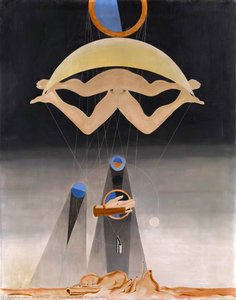
- Di Questo Nessuno Dovrà Sapere
- Foresta e Colomba
- I suoi dipinti spesso presentano immagini simboliche, tra cui uccelli (in particolare il suo alter ego Loplop), paesaggi e giustapposizioni inquietanti.
Vita Successiva & Eredità
- Ernst si è trasferito negli Stati Uniti durante la Seconda Guerra Mondiale, continuando a dipingere ed sperimentare nuove tecniche.
- È tornato in Francia dopo la guerra e è rimasto attivo fino alla sua morte il 1° aprile 1976, a Parigi.
- Significato Storico: I contributi di Max Ernst a Dada e Surrealismo sono stati rivoluzionari. Ha sfidato le norme artistiche, ha esplorato la mente inconscia e ha inventato tecniche innovative che continuano a ispirare gli artisti oggi.
- Resta uno dei personaggi più importanti e influenti del 20° secolo d’arte.
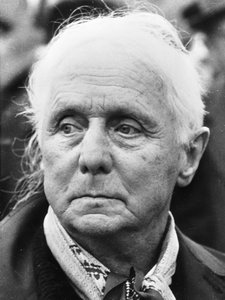
Max Ernst
1891 - 1976 , Germania
Informazioni rapide
- Artisti Che Hanno Influenzato Questo Artista:
- Pablo Picasso
- Vincent van Gogh
- Paul Gauguin
- Sigmund Freud
- Data Di Morte: 1 aprile 1976
- Data Di Nascita: 1 aprile 1891
- Luogo Di Nascita: Brühl, Germania
- Movimento Artistico: Dada e Surrealismo
- Nazionalità: Tedesca
- Nome Completo: Max Ernst
- Opere Notevoli:
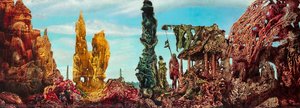
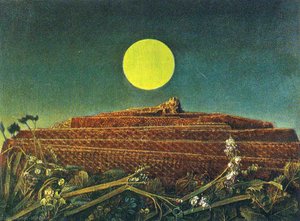
- La Città Intera
- Euclides
- Foresta e Colomba
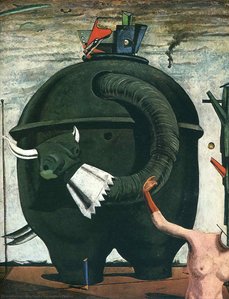
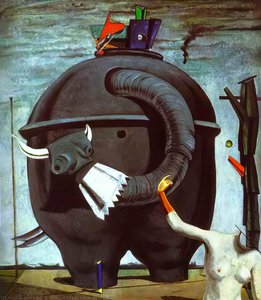
- L'Elefante di Celebes
Articoli correlati

Decoding Dalí: The Paranoiac-Critical Method and Surrealist Symbols Explained
Master the complexities of Salvador Dalí's work. Explore the Paranoiac-Critical Method, decode iconic Surrealist symbols, and understand the psychological depth behind his technical brilliance in this expert art history guide designed for students and collectors.